

Michigan's economy is broader than its automotive reputation suggests. Detroit's Midtown and Corktown are genuine national restaurant and arts destinations. Grand Rapids is a fast-growing business hub with a nationally recognized craft beer economy. Ann Arbor's university economy generates consistent high-density small business activity. Lansing and Kalamazoo anchor the central and southwest regions with healthcare, education, and manufacturing.
Michigan banking has historically concentrated on large automotive supplier financing. Independent small businesses (restaurants, contractors, healthcare offices) often can't access traditional credit. MCA evaluates six months of deposits and funds once the provider approves your file.
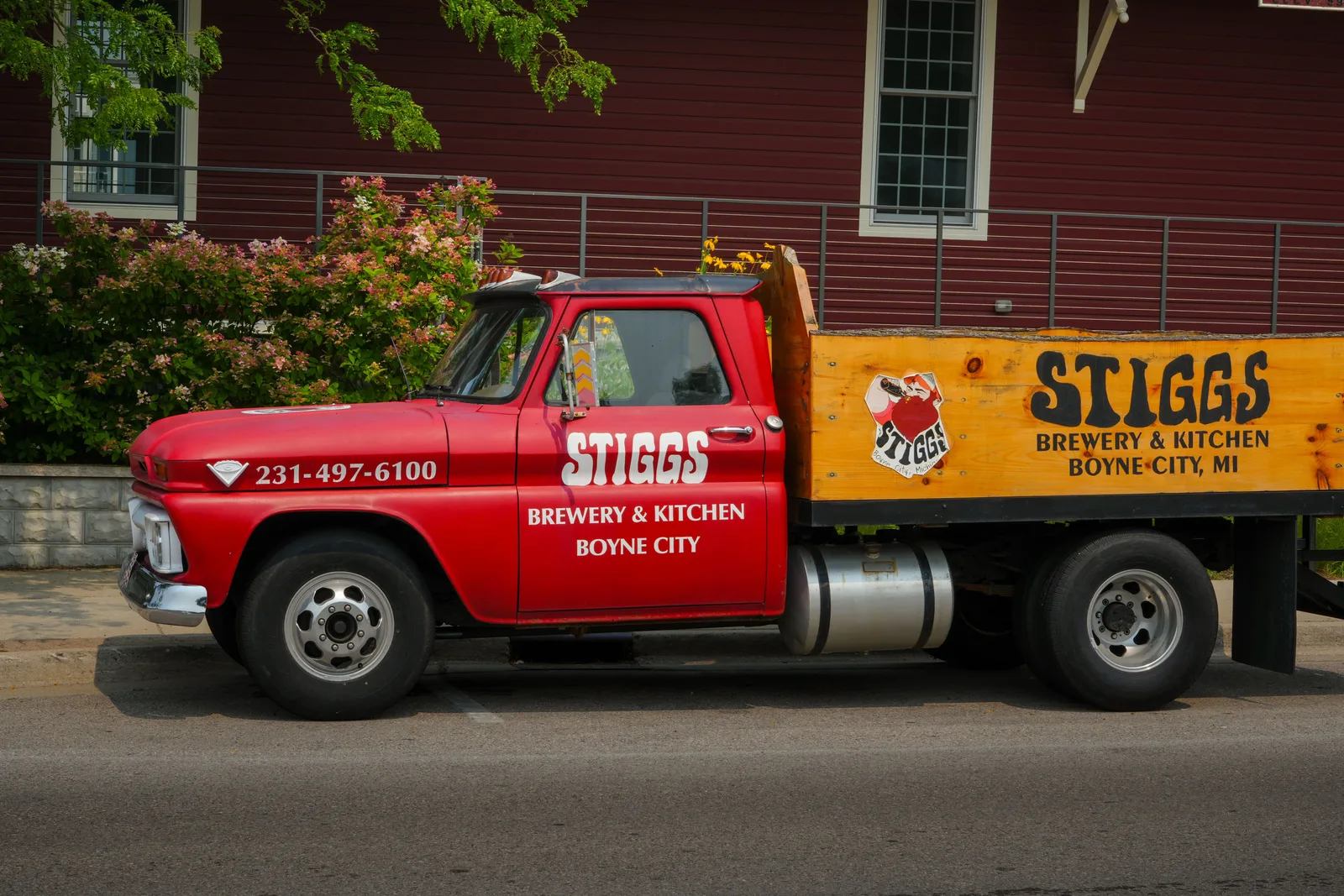
Served statewide: Detroit, Grand Rapids, Lansing, Ann Arbor, Flint, Sterling Heights, Warren, Kalamazoo, Traverse City.
Apply Online (10 min)
Basic business info + 6 consecutive months bank statements. No hard credit pull at application.
Underwriting (1-3 hrs)
We review your deposits and revenue, not just FICO.
Offer and Approval
Advance amount, factor rate, and remittance. No hidden fees.
Funds Deposited
Wire to your MI business bank account. The funding provider sets the timing.
Can a Michigan small business get a merchant cash advance?
Yes. Michigan businesses with 6+ months operating, $4,000-$6,000+/month in deposits, and 500+ FICO qualify statewide: Detroit, Grand Rapids, Lansing, Ann Arbor, and throughout all 83 counties.
What credit score do I need?
Minimum 500 FICO. Approval is based primarily on monthly bank deposits. Bank declines, tax liens, and prior bankruptcies do not automatically disqualify you.
How fast can a Michigan business get funded?
Review begins as soon as your file is complete. Funding follows once you accept an offer, on a timeline the provider sets.
The Federal Reserve's 2024 Small Business Credit Survey found that only 41% of small businesses nationwide that applied for financing received the full amount they requested. Automotive-adjacent businesses often face tougher standards from traditional banks, partly because of how cyclical the industry is perceived to be.
Michigan's banking market was hit especially hard by the 2008 financial crisis, and its effects on how banks underwrite small-dollar business loans have persisted longer here than in many other Midwestern states. Auto industry downturn fears still show up in how conservatively some banks evaluate small business credit.
Merchant cash advances are revenue-based: any Michigan business with consistent monthly deposits qualifies. These are the most active MCA industries in Michigan.
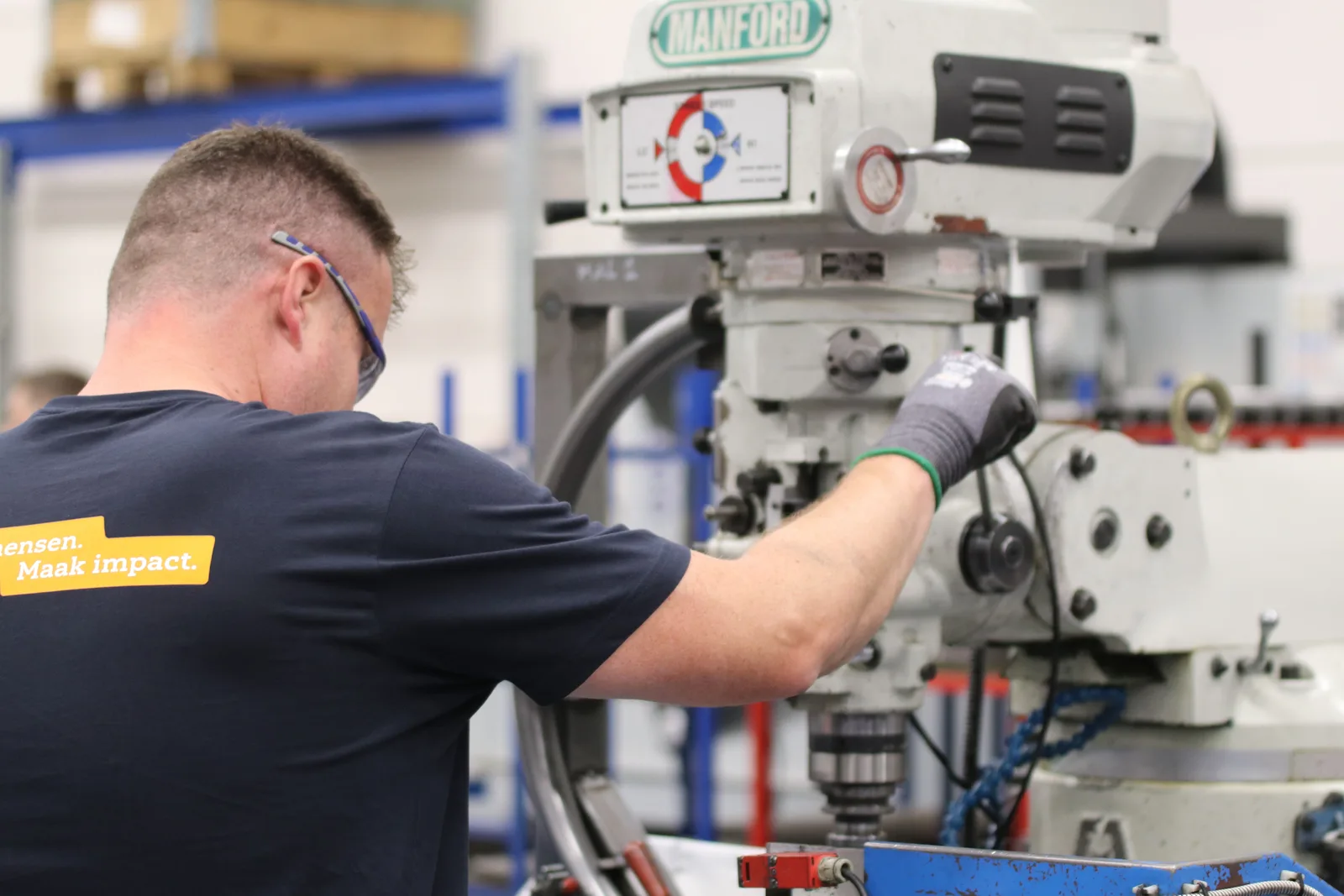
Automotive Tier 2/3 suppliers bridging 60-90 day OEM payment cycles.
Resort, hospitality, and tourism businesses surviving Michigan's long winter.
Craft brewery ingredients, packaging, and distribution costs.
Covering staff during automotive slow periods or seasonal gaps.
CNC machines, stamping tooling, commercial kitchen, brewery equipment.
New Detroit metro or Grand Rapids location, production capacity expansion.
| Factor | MCA via T.A.G. | Michigan Bank Loan |
|---|---|---|
| Decision time | 24-48 hours | 30-90 days |
| Minimum FICO | 500 | 680-720+ |
| Collateral | None required | Required (real estate, equipment) |
| Bank decline OK? | Yes | No |
| Tax liens OK? | Usually yes | No |
| Repayment | % of daily deposits (flexible) | Fixed monthly payment |
MCA advance amounts are based on average monthly bank deposits. The formula: advance = average monthly deposits × 0.75 to 1.50, depending on industry, time in business, and credit profile.
- Minimum advance
- 0.75× average monthly deposits
- Typical advance
- 1.0× average monthly deposits
- Maximum advance
- 1.5× average monthly deposits
| Business | Avg Monthly Deposits | Min Advance (0.75×) | Typical (1.0×) | Max (1.5×) |
|---|---|---|---|---|
| Flint salon | $15,000 | $11,250 | $15,000 | $22,500 |
| Detroit restaurant | $35,000 | $26,250 | $35,000 | $52,500 |
| Grand Rapids contractor | $55,000 | $41,250 | $55,000 | $82,500 |
| Michigan auto supplier | $80,000 | $60,000 | $80,000 | $120,000 |
| Michigan food producer | $120,000 | $90,000 | $120,000 | $180,000 |
How much can a Michigan business qualify for with MCA?
Michigan businesses typically qualify for 75%-150% of average monthly bank deposits. A Detroit area restaurant averaging $35,000/month can qualify for $26,250-$52,500. A Grand Rapids automotive supplier averaging $80,000/month may qualify for $60,000-$120,000. A Traverse City seasonal resort averaging $60,000/month may qualify for $45,000-$90,000. Advance amounts range from $5,000 to $5,000,000.
What Michigan industries qualify most easily for MCA?
Michigan's strongest MCA markets include automotive suppliers and manufacturing services (statewide), restaurants and craft breweries (Detroit, Grand Rapids, Ann Arbor), construction (Detroit revitalization, Grand Rapids growth), healthcare (Henry Ford, Beaumont, Spectrum networks), seasonal tourism and hospitality (Lake Michigan resort corridor), and retail. Any Michigan business with $4,000-$6,000+/month in deposits qualifies.
Can a Michigan automotive supplier qualify for MCA?
Yes. Tier 2 and Tier 3 automotive suppliers with consistent monthly deposits qualify. The key is bank deposit history, not OEM contracts or receivables. If your business shows $4,000-$6,000+/month in deposits over 6+ months, you qualify. Many Michigan auto suppliers use MCA specifically to bridge the gap between material purchases and OEM payment.
Does Michigan have MCA disclosure requirements?
Michigan does not currently require commercial finance disclosures. T.A.G. provides full APR-equivalent disclosure on all offers.
Can a Michigan seasonal tourism business qualify for MCA?
Yes. Seasonal businesses qualify based on their peak-season deposit history. A northern Michigan resort with strong June-August revenue can qualify for winter capital using their summer deposits as the underwriting basis. MCA repayment as a percentage of daily revenue naturally slows during the off-season.
- Michigan MCA Disclosure Law
- Commercial finance disclosure is not currently required in Michigan. T.A.G. provides full APR-equivalent disclosure, total payback amount, and repayment structure on every Michigan offer voluntarily.
Michigan's lakeshore tourism season is genuinely short. Most resorts, marinas, and seasonal restaurants along the Great Lakes coastline count on roughly Memorial Day through Labor Day to earn the bulk of a year's revenue, because Michigan's winters are long and often severe enough (lake-effect snow bands are a real, well-documented feature of the state's western coastline) to shut outdoor tourism down almost completely for the other eight months. That is a more compressed season than most states' seasonal businesses deal with.
Automotive suppliers run on an entirely different, unrelated clock. Beyond the standard 60 to 90 day OEM payment terms, Michigan's Tier 1, 2, and 3 suppliers also feel the ripple effects of the industry's traditional new-model-year changeover, which typically lands in late summer and early fall, when production schedules and supplier orders shift at once. Craft breweries and food producers see their own bump tied to summer and holiday demand rather than either of those calendars.
What this means for a Michigan applicant: a normal winter slowdown a tourism business has budgeted for, or an OEM payment cycle a supplier has planned around for years, is not automatically a funding trigger. MCA fits best when a specific delayed OEM payment, a weak season, or a real shortfall has already appeared on your bank statements.
Ready to Fund Your Michigan Business?
Apply in 10 minutes. No hard pull at application. Review begins as soon as your file is complete.
Get My Offer MCA vs Business Loan