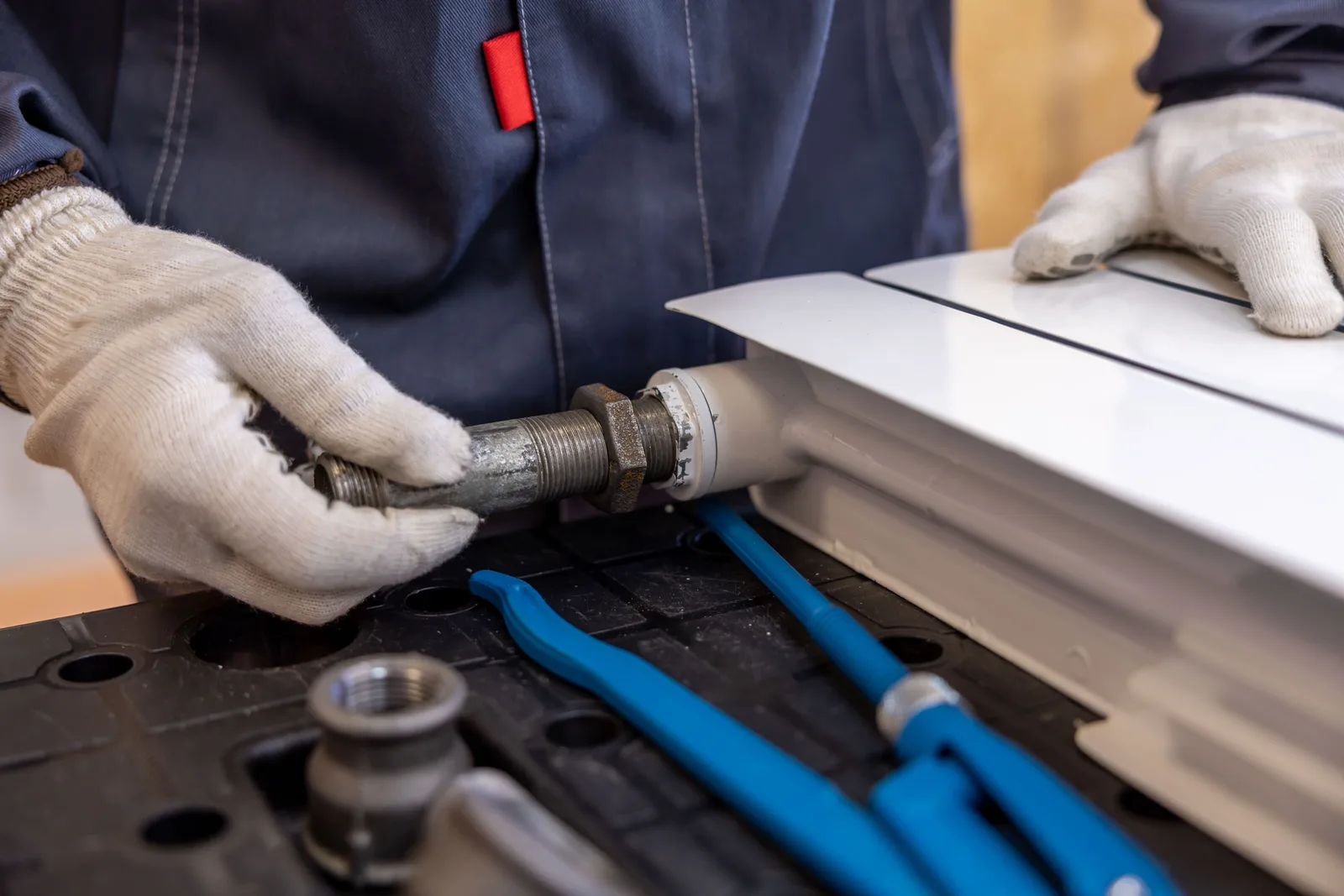
Michigan plumbing businesses run on a seasonal clock: a hard winter drives a predictable surge in burst-pipe and water-heater emergency calls, older housing stock in cities like Detroit, Flint, and Saginaw keeps that demand high year after year, and getting staffed and stocked for it costs real money before the season's revenue ever arrives.
Plumbing businesses in Michigan qualify for MCA with 6+ months in business, $4,000-$6,000+/month in business bank deposits, and a 500+ FICO. Initial submission is a signed application plus 6 consecutive months of business bank statements: nothing more is required to start. Decision timing is set by the funding provider.
4-Point Qualification Breakdown
1
Revenue
$4,000-$6,000+/month in average business bank deposits
2
Bank Statements
6 consecutive months, $4,000+ average ending balance
3
Time in Business
6+ months of operating history
4
Business Ownership
Active Michigan business bank account in the applicant's name
A hard freeze meeting an old pipe network is why Michigan plumbing companies can set a watch by their winter call volume.
Why Michigan Plumbing Demand Runs on a Winter Clock
Michigan runs some of the coldest, longest winters in the Midwest, and that climate drives a real, predictable spike in plumbing work every year. Once nighttime temperatures hold below freezing for an extended stretch, exposed pipe runs and service lines across the state begin to crack and burst. The effect is sharper in Michigan's older cities, where a large share of the housing stock predates modern insulation and pipe-material standards. Detroit, Flint, Saginaw, and Pontiac all carry housing inventories that skew decades older than the national average, with galvanized steel and original cast iron still common in basements and crawl spaces that were never built for today's usage or today's harsher freeze-thaw cycles.
An old pipe network meeting a hard freeze is why Michigan plumbing companies can set a watch by their winter call volume, water heater failures included, since a tank that has quietly been aging for fifteen years is far more likely to fail the moment a cold snap pushes demand on it. That is a real, recurring business pattern for a Michigan plumbing company, not a one-time event to plan around once.
How Plumbing Businesses Use MCA Funding
Hiring seasonal technicians and covering overtime coverage ahead of freeze season
Stocking water heaters, pipe fittings, and other freeze-related emergency-call parts
Service van purchase or down payment
Licensing, bonding, and insurance renewals
Bridging payroll and materials costs while a GC progress-billed commercial job holds retainage
Getting staffed and stocked for that season costs real money weeks before the season's own revenue arrives.
The Seasonal Staffing Cash Timing Gap
For a Michigan plumbing company, the real cash gap is rarely about profitability. It is about timing between a real expense and the season that funds it. Most plumbing owners start adding technicians, running overtime shifts, and stocking extra water heaters, pipe fittings, and emergency-call parts in September and October, well before the freeze season that actually produces the call volume those hires and that inventory are meant to cover. Payroll for a newly hired winter technician is due every week whether or not the first hard freeze has hit yet, and a distributor invoice for pre-stocked water heaters does not wait for December revenue to show up.
On the commercial and new-construction side, a plumbing contractor working a general contractor's job often bills on net-30 or net-60 progress terms with a retainage percentage held back until the job is signed off, which stretches the same kind of gap out even further. Either way, the cost of being ready lands weeks before the revenue that justified getting ready.
What a Factor Rate Actually Costs, Not a Loan
A merchant cash advance is priced with a one time factor rate, not an annualized interest rate. Example: a $15,000 advance at a 1.20 factor rate means $18,000 total repayment (a $3,000 cost of capital). That total is fixed at origination and repaid via a daily or weekly percentage of your bank deposits, not a fixed monthly loan payment. This is an illustrative example only, not a quote: your actual advance amount, factor rate, and repayment structure are determined by the funding provider after reviewing your specific file.
Advance Amount
Factor Rate
Total Repayment
Cost of Capital
$15,000
1.20
$18,000
$3,000
Should You Apply Now, or Wait and Compare Options First?
A merchant cash advance is not the right tool for every situation. Here is an honest way to think through it before you apply.
Check Your Funding Estimate
Michigan Commercial Finance Disclosure: No State Law
Michigan does not currently have a commercial finance disclosure law equivalent to California's SB 1235. T.A.G. Business Funding voluntarily provides full cost disclosure, including the total payback amount and repayment structure, on every offer before signing, regardless of what state law requires.
T.A.G. Business Funding
Plumbing Funding in Michigan
$4,000-$6,000+/month revenue, 6 consecutive months of business bank statements, 500+ FICO minimum.
500+ FICO minimum · 6+ months in business · $4,000-$6,000+/month revenue
FAQ
Can a plumbing business in Michigan get a merchant cash advance?
Yes. Plumbing businesses in Michigan qualify for MCA with 6 or more months in business, $4,000-$6,000+ per month in business bank deposits, and a 500+ FICO score. Approval is based mainly on your deposit history, not your credit score alone.
How many months of bank statements do I need, and do they have to be business statements?
Exactly 6 consecutive months of business bank statements, the same window used for the time in business minimum. Personal bank statements are not accepted. Average ending balance across the 6 statements should be $4,000 or more.
Is a merchant cash advance a loan?
No. A merchant cash advance is a purchase of a fixed amount of your future receivables, not a loan. There is no interest rate, no fixed monthly payment, and no fixed maturity date. It is priced with a one time factor rate applied to the advance amount, and actual pricing and terms are determined by the funding provider after review of your file.
How much could a Michigan plumbing business qualify for?
MCA amounts are typically 75%-150% of your average monthly bank deposits. For example, a $15,000 advance at a 1.20 factor rate means $18,000 in total repayment (a $3,000 cost of capital), repaid via a daily or weekly percentage of deposits rather than a fixed monthly bill. This example is illustrative only: your actual advance amount, factor rate, and repayment structure are set by the funding provider after reviewing your file.
What credit score do I need, and will applying hurt my credit?
T.A.G. looks for a 500+ FICO score as a starting point, but approval is based primarily on your business bank deposits, not your score alone. Initial review uses a soft credit pull only. A hard credit pull typically occurs later, before final approval, and can affect your score by a few points. Most MCA agreements, including T.A.G.'s, also require a personal guarantee from the business owner.
Does Michigan require MCA cost disclosure?
Michigan does not currently have a commercial finance disclosure law equivalent to California's SB 1235. T.A.G. Business Funding voluntarily provides full cost disclosure, including the total payback amount and repayment structure, on every offer before signing, regardless of what state law requires.
What documents do I need to apply?
A completed application and your six most recent, consecutive months of business bank statements, all pages, unredacted. Personal bank statements are not accepted. A driver's license and a voided business check may be requested later, after approval, but neither is required to start your application.
Last reviewed: September 2026. T.A.G. Business Funding is an independent ISO partner, not a direct lender. All examples are illustrative. Advance amounts and rates vary by business profile and funder. Not financial advice.