Yes. Washington restaurants qualify for MCA based on monthly bank deposits. Seattle is one of the top-5 US restaurant markets by household income and culinary sophistication.
Washington State · Restaurant Funding
Washington Restaurant Funding Seattle, Bellevue, Tacoma, Spokane & Statewide
Quick Answer: Washington Restaurants
Washington restaurants qualify for MCA based on monthly bank deposits. Minimum: $4,000-$6,000/month, 500 FICO, 6+ months operating. Advance range: $10,000-$175,000. Review begins as soon as your file is complete. Seattle: Pike Place Market 10M+ visitors/year, Amazon South Lake Union 40,000+ employees, Microsoft Redmond 60,000+ Puget Sound employees, UW 50,000 students, Capitol Hill Pike/Pine Corridor. Bellevue: Downtown Bellevue tech corridor, T-Mobile HQ, REI HQ. Spokane: WSU Pullman 30K, Gonzaga. No WA MCA disclosure requirement.
Washington State, and Seattle in particular, is one of the wealthiest and most restaurant-dense metro areas in the United States. Amazon (40,000+ employees in South Lake Union), Microsoft (60,000+ in greater Puget Sound), Boeing (40,000+ in Puget Sound), and the University of Washington (50,000 students) create a sustained, high-income dining market. Seattle's Pike Place Market (10M+ annual visitors) anchors the downtown core, while Capitol Hill's Pike/Pine Corridor is one of the most concentrated independent restaurant districts in the US. No-tip hospitality models pioneered in Seattle have reshaped the economics for restaurant owners statewide.
$10K-$175K
Advance range
40,000+
Amazon South Lake Union employees
24-48 hrs
Funding timeline
500
Min FICO
Washington Markets
Restaurant Funding by Washington City
Seattle: Pike Place & Downtown
Pike Place Market (10M+ annual visitors, one of the most visited US public markets) anchors Seattle's downtown core dining district including Pike Street, First Avenue, and the Waterfront. Pioneer Square (Seattle's oldest neighborhood), the Seattle Waterfront ($1B+ renovation completed 2024 including the new Overlook Walk and Waterfront Park), and the Seattle Convention Center expansion ($2B, opened 2023) generate sustained restaurant demand citywide.
Typical: $15K-$175K
South Lake Union: Amazon Campus
Amazon's South Lake Union campus (The Spheres headquarters, 40,000+ employees, Westlake Avenue / Denny Way / Mercer Street corridor) transformed SLU from a light industrial area into one of Seattle's densest dining districts. Amazon employees earning median $165,000+ in total compensation eat lunch and dinner near campus daily. Restaurants on Westlake, Dexter, and Denny see weekday lunch rushes from thousands of tech workers.
Typical: $15K-$165K
Capitol Hill: Pike/Pine Corridor & UW
Capitol Hill's Pike/Pine Corridor is Seattle's most concentrated independent restaurant and bar district: dozens of independent restaurants, craft cocktail bars, and chef-driven concepts within 5 blocks. The University District (UW, 50,000 students) generates sustained student dining demand. Fremont, Ballard (Nordic seafood district, Ballard Locks), and the U District add neighborhood dining clusters with loyal local customer bases.
Typical: $12K-$155K
Bellevue: Eastside Tech Corridor
Bellevue's downtown (T-Mobile US HQ, Expedia Group HQ, Concord Hospitality, Amazon East Bellevue office) has emerged as the second major tech dining corridor in greater Seattle. The Lincoln Square complex (Bellevue Square, Lincoln Square North/South) concentrates premium dining. Microsoft's main campus (Redmond, 60,000+ Puget Sound employees) is 10 minutes away on SR-520, creating a Bellevue-to-Redmond dining corridor with very high household incomes.
Typical: $15K-$160K
Tacoma / Olympia
Tacoma's downtown revival (UW Tacoma, Joint Base Lewis-McChord, 100,000+ military and civilian personnel combined McChord AFB and Fort Lewis, the largest employer in Pierce County), Tacoma Art Museum, and Museum of Glass drive an emerging independent dining scene on Pacific Avenue and Proctor District. Olympia's state government campus (legislature, governor's office, state agencies) creates a professional dining market near Capitol Lake.
Typical: $10K-$130K
Spokane / Eastern Washington / Wine Country
Spokane's Gonzaga University (7,700 students), Washington State University Pullman (30,000 students, 1 hour from Spokane), and Providence Health (largest Eastern WA employer, 6,000+) create a college-town and healthcare dining market. Walla Walla wine country (100+ wineries, nationally recognized as one of the top US wine regions, Syrah and Cabernet Sauvignon) drives farm-to-table and wine-pairing dining demand. Yakima Valley (largest US apple-growing region) adds culinary tourism.
Typical: $8K-$120K
Qualification
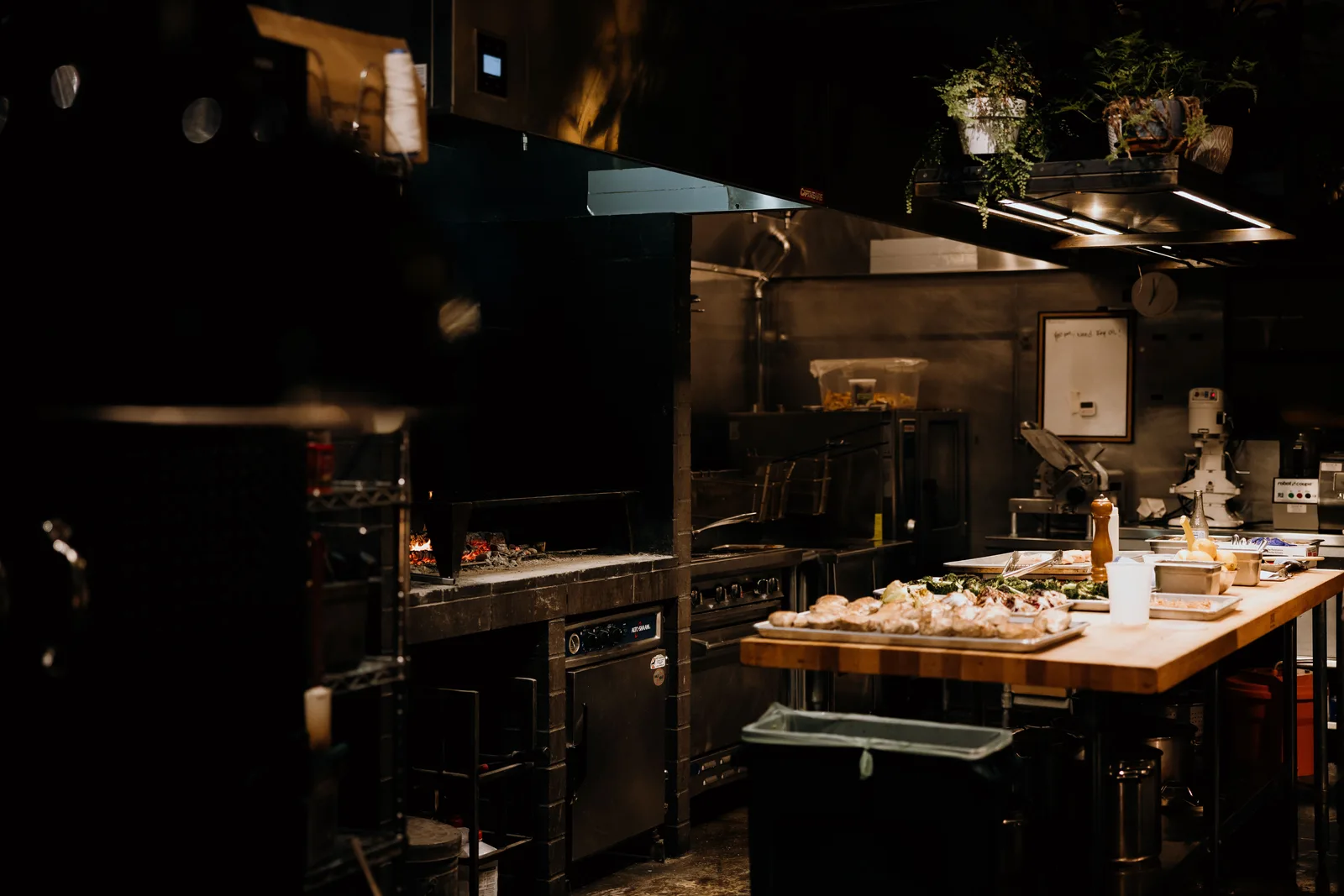
Everything laid out on the pass was bought and paid for before a single ticket printed. That gap is what working capital covers.
Washington Restaurant MCA Requirements
Minimum Monthly Deposits
$4,000-$6,000/month
Minimum FICO Score
500 (soft pull to start)
Time in Business
6+ months operating
Documents Required
6 consecutive months bank statements + application
Advance Range
$10,000-$175,000
Disclosure
Full cost disclosure before signing
FAQ
Washington Restaurant Funding: FAQ
Why does Amazon's South Lake Union campus drive Seattle restaurant demand?
Amazon's South Lake Union campus (The Spheres headquarters, 40,000+ employees) transformed the SLU neighborhood from light industrial to Seattle's densest dining district. Amazon employees earning median $165,000+ in total comp eat lunch and dinner near campus daily. Restaurant owners report weekday lunch rushes equivalent to weekend dinner service, creating an unusually stable 5-day-per-week income pattern.
Can a restaurant in Seattle's Pike/Pine Corridor use MCA?
Yes. Capitol Hill's Pike/Pine Corridor is one of the most concentrated independent restaurant districts in the US. A restaurant averaging $35,000/month in this district may qualify for $26,250-$52,500. MCA repayment via daily card deposit percentage matches the natural flow of restaurant cash: higher on busy weekend nights, lower on slow Tuesday lunches.
How much can a Washington restaurant get with MCA?
WA restaurant MCA amounts range from $10,000 to $175,000. A Seattle or Bellevue restaurant averaging $55,000/month may qualify for $41,250-$82,500. A Tacoma or Olympia restaurant averaging $25,000/month may qualify for $18,750-$37,500. A Spokane or Eastern Washington restaurant averaging $15,000/month may qualify for $11,250-$22,500.
Does Washington State have an MCA disclosure requirement?
Washington does not currently have a commercial finance disclosure law equivalent to California SB 1235 or Virginia HB 1027. T.A.G. Business Funding provides full cost disclosure on all Washington MCA offers before signing.
How fast can a Washington restaurant get funded?
Most Washington restaurant applications receive a decision once your file is complete. Seattle and Bellevue restaurants who submit a complete file early in the day get it in front of the funding provider sooner. The provider sets decision and funding timing.
Can a Washington State restaurant get MCA after a bank decline?
Yes. Washington restaurants qualify for MCA based on monthly bank deposits. Seattle is one of the top-5 US restaurant markets by household income and culinary sophistication. Amazon's South Lake Union campus (40,000+ Seattle employees), Microsoft's Redmond campus (60,000+ Puget Sound employees), Boeing Puget Sound (40,000+ employees), and the University of Washington (50,000 students) create a sustained, high-income dining market. Seattle's Pike Place Market (10M+ annual visitors, one of the most visited US farmers markets) anchors the downtown core dining district.
Can a Spokane or Eastern Washington restaurant use MCA?
Yes. Spokane (Washington State University Pullman 30,000 students, Gonzaga University 7,700 students, Providence Health 6,000+ employees, the largest Eastern WA employer) has an active restaurant market. Eastern Washington's Apple Country corridor (Yakima Valley, Wenatchee) and wine country (Walla Walla, nationally recognized as a premium wine region with 100+ wineries) add tourism dining demand. All qualify at $4,000-$6,000/month minimum deposits.
Cash Flow Pattern
How Restaurant Deposits Actually Move in Washington
Restaurant revenue in Washington does not arrive evenly across the year. The gap between a strong season and a slower one is what MCA is built to bridge, not a way to fund a business that is not otherwise generating consistent deposits.
Honest Guidance
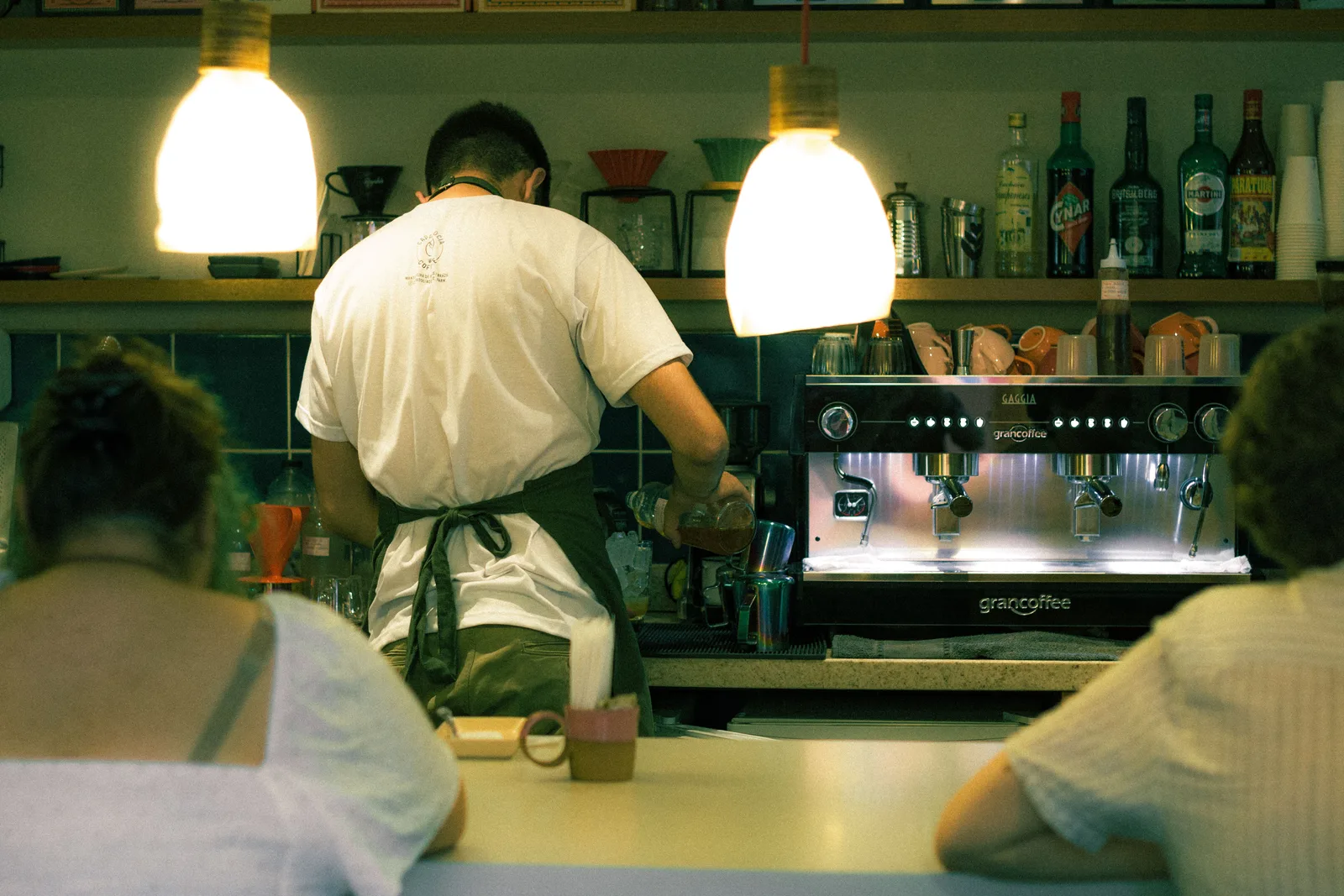
A steady counter trade builds the daily deposit pattern a provider reviews. It is also why a repayment amount has to be sized against a slow week, not a good one.
When Washington Restaurant MCA Is (and Isn't) the Right Move
MCA is a bridge for a specific, time-boxed gap between strong deposit history and the cash to act on it now. It is not the cheapest way to fund long-term growth or to cover a restaurant that is not generating enough deposits on its own. The comparison below is meant to help you decide before you apply, not after.
500 FICO OK · No hard pull at application · Full cost disclosure before signing Seattle, Bellevue, Tacoma, Olympia, Spokane & all of Washington State · Review begins as soon as your file is complete
Initial review uses a soft credit pull only. A hard credit pull typically occurs later, before final approval, and can affect your credit score by a few points.