

California · Restaurant Funding
Restaurant Funding in California
Los Angeles, San Francisco & Statewide
Quick Answer: California Restaurants
California restaurants qualify for MCA based on monthly bank deposits. Minimum: $4,000-$6,000/month deposits, 500 FICO, 6+ months operating. Advance range: $15,000-$150,000 (75-150% of monthly deposits). Review begins as soon as your file is complete. Funding timing is set by the funding provider after review. No tax returns, no collateral. California SB 1235 requires MCA disclosure, T.A.G. provides full compliant disclosure including APR equivalent on every California offer.
California has 85,000+ active restaurants, the largest restaurant market in the US. Los Angeles and San Francisco restaurants generate some of the highest deposit volumes in the country. MCA review looks at deposits, not credit scores or bank history.
California Regulatory Note
California SB 1235: What Restaurant Owners Need to Know
California Commercial Finance Disclosure Requirement (SB 1235)
California law (SB 1235, effective December 9, 2022) requires commercial finance providers, including MCA funders, to disclose: total amount funded, total repayment amount, finance charge, and an APR equivalent for every California commercial financing transaction. MCA funders operating in California must also be registered with the California Department of Financial Protection and Innovation (DFPI). T.A.G. works exclusively with DFPI-registered funders and provides full SB 1235-compliant disclosures with every California offer. You will see the complete cost before signing anything.
California Markets
Restaurant Funding by California City
All California markets access the same national funder network. Local deposit volumes and market density drive typical advance ranges.
California-Specific Considerations
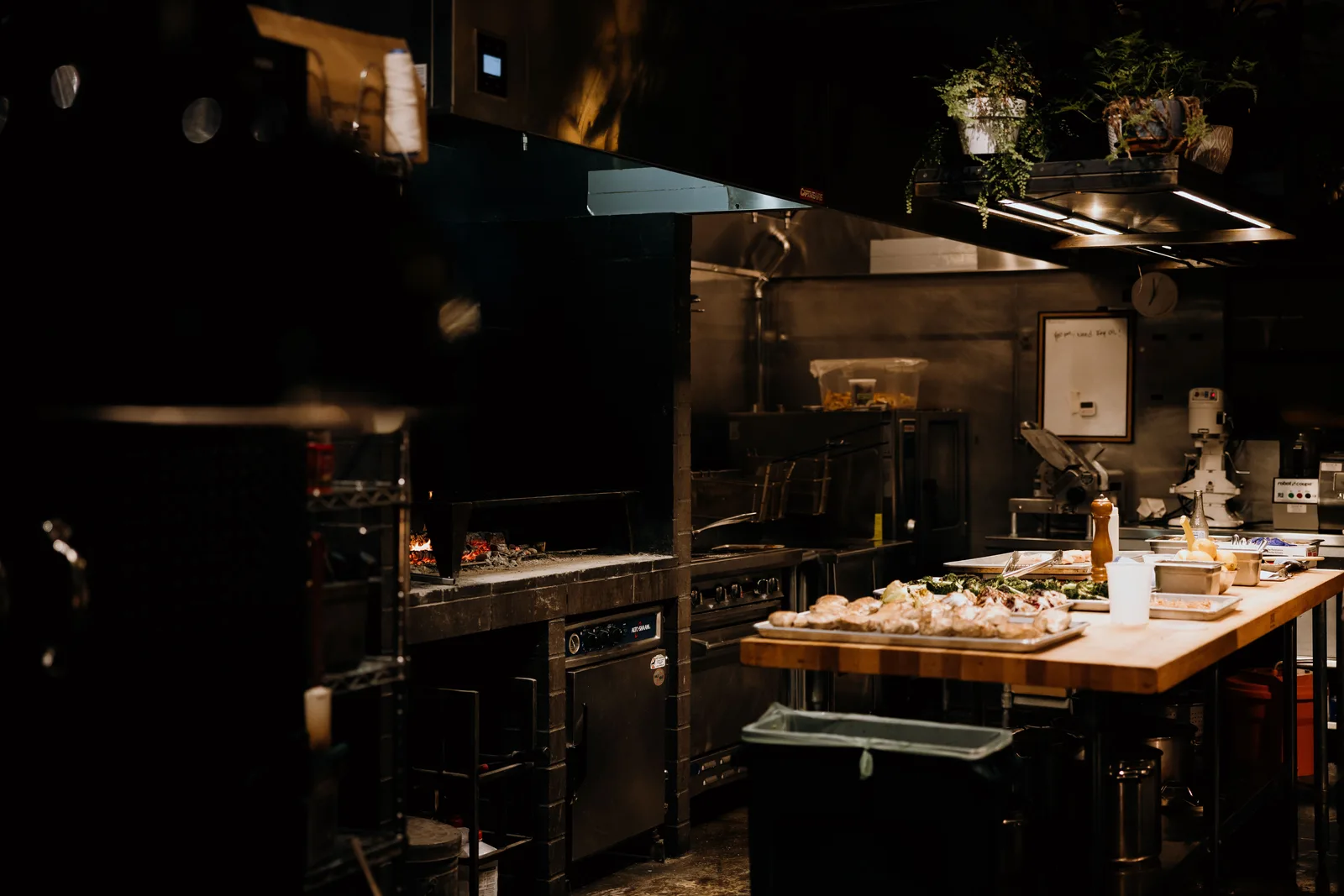
What Makes California Restaurant Funding Different
California's high minimum wage creates larger working capital needs. California's minimum wage is $16/hour statewide (January 2024), with fast food workers at $20/hour under AB 1228. California restaurants typically need 20-35% larger cash reserves than restaurants in other states for the same revenue level. MCA review evaluates gross deposit volume, California's higher operating costs do not reduce advance eligibility, but they may justify a larger advance request relative to monthly revenue.
SB 1235 disclosure is mandatory and protective. California requires full APR-equivalent disclosure on every MCA offer. This means you can directly compare MCA cost to other financing options on an apples-to-apples basis. T.A.G. provides SB 1235-compliant disclosure on every California offer as standard, not just for large transactions. Look for: total funded amount, total payback amount, finance charge, and estimated APR.
DFPI registration matters. Not all MCA providers operating nationally are DFPI-registered for California. T.A.G. works only with DFPI-compliant funders for California transactions. If you apply through an unregistered provider, the MCA contract may be unenforceable under California law, and you may have no recourse if there are problems. T.A.G. provides DFPI registration confirmation on request.
California restaurants benefit from high average deposits. LA and SF restaurant markets generate consistently high deposit volumes, often 30-50% higher per restaurant than comparable-size markets elsewhere in the country. This typically translates to larger available advance amounts for California restaurants relative to national averages.
California Cash-Flow Patterns
How Restaurant Cash Flow Actually Moves in California
California's coastal climate keeps restaurant deposits comparatively steady across the year next to a state like Illinois or Pennsylvania. There is no hard winter cliff. The real seasonal pressure shows up inland: Central Valley and some Southern California markets see patio and outdoor dining traffic soften during the hottest stretch of late summer, and in wildfire-prone years, smoke events in August through October can suppress outdoor seating further.
Coastal and metro markets, Los Angeles, San Francisco, San Diego, carry the state's highest deposit volumes, driven by dense population, tourism, and high average ticket sizes even at casual restaurants. Inland markets run smaller absolute deposit numbers but often steadier margins, since commercial rent is typically lower relative to revenue.
General seasonal pattern shown for illustration only, not a projection for any specific restaurant.
Relative comparison shown for illustration only, based on general market characteristics, not measured company data.
Requirements
California Restaurant MCA Qualification
California-specific documents: SB 1235 disclosure is prepared by T.A.G. and included with every offer; no additional paperwork required from the restaurant owner. Standard application to start: a completed one-page application and 6 consecutive months of BUSINESS bank statements, all pages, personal statements do not qualify. A driver's license and a voided business check are collected after approval, not part of the initial application. No tax returns. No financial projections. No collateral.
Frequently Asked Questions
California Restaurant MCA: Common Questions
Can a California restaurant get an MCA after a bank decline?
How much can a California restaurant get?
What does California SB 1235 require for MCA?
How fast can a California restaurant get funded?
How do California labor costs affect MCA qualification?
Are California MCA funders DFPI-registered?
What does a California restaurant need to apply?
Can a new California restaurant get funded?
What California restaurant markets have the strongest MCA approval rates?
Get California Restaurant Funding Options Today
60-second application. No credit pull. Review begins as soon as your file is complete. Full SB 1235 disclosure on every offer.
One application reaches 40+ DFPI-registered California funders.
Related Funding Pages