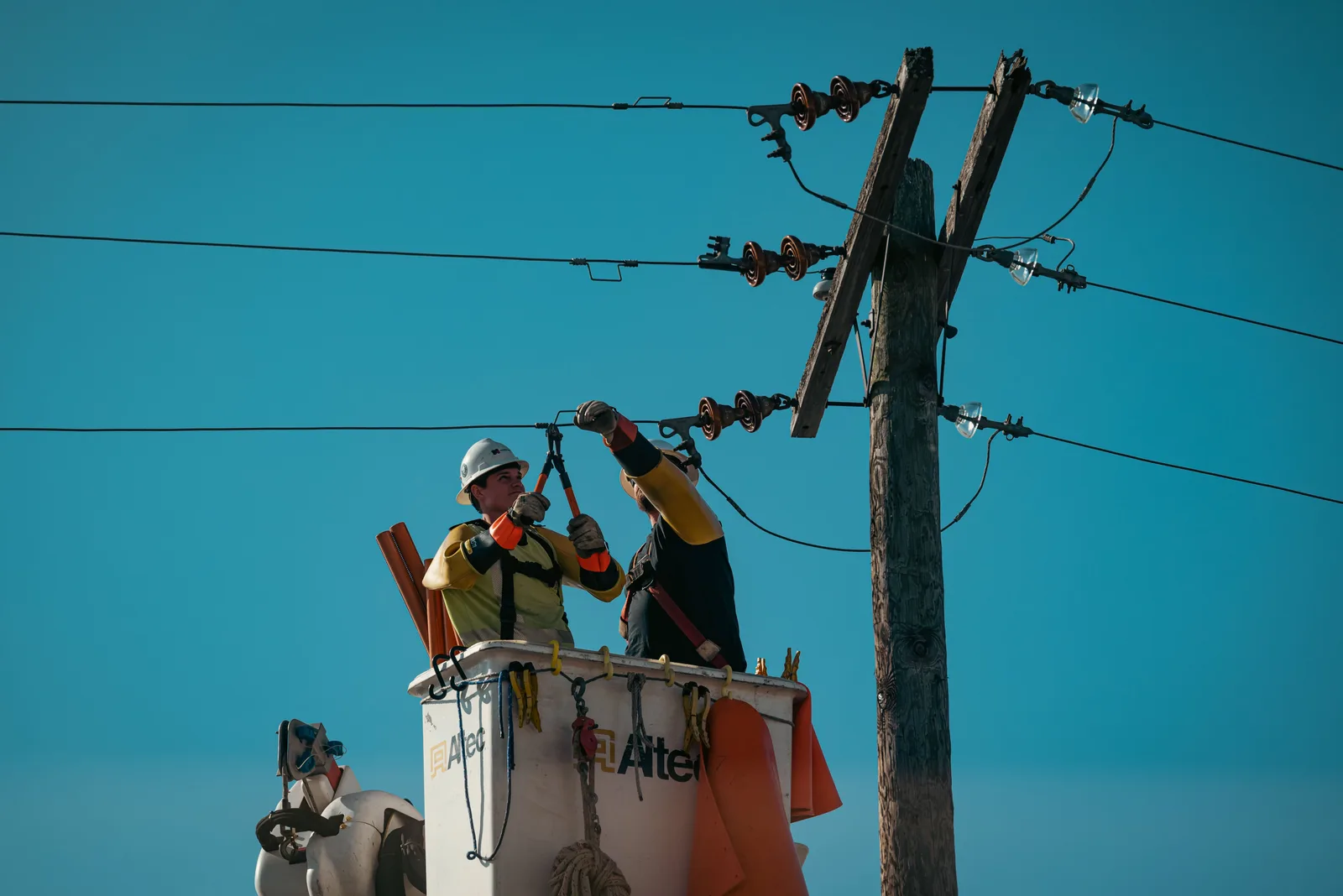
Electrical contractors need capital for bucket trucks, licensing, and apprentice payroll — bridging the gap between material costs and draw payments. Texas is one of the largest state economies in the US, with no state income tax.
Electrical Contractors businesses in Texas qualify for MCA with 6+ months in business, $4,000 to $6,000+/month in business bank deposits, and a 500+ FICO. Initial submission is a signed application plus 6 consecutive months of business bank statements, nothing more. Timing is set by the funding provider after it reviews your file.
4-Point Qualification Breakdown
1
Revenue
$4,000 to $6,000+/month in average business bank deposits
2
Bank Statements
6 consecutive months, $4,000+ average ending balance
3
Time in Business
6+ months of operating history
4
Business Ownership
Active Texas business bank account in the applicant's name
One TDLR licence is valid anywhere in Texas, which is why contractors here expand across metros aggressively.
How Electrical Contractors Businesses Use MCA Funding
Bucket truck or service vehicle
Tool and material inventory
Licensing and bonding
Apprentice and journeyman payroll
What actually limits growth for a Texas electrical contractor
For an electrical contractor, the question that decides how fast you can grow is not the tax rate or the weather: it is how far one licence carries, and what you have to fund before a new market pays you anything.
Licensing in Texas: statewide licence
Texas regulates electricians statewide through TDLR. An Electrical Contractor licence requires a licensed Master Electrician of record. A state electrical licence is valid anywhere in Texas — though cities retain their own authority to require local building permits and set fee schedules.
Portability: The licence is genuinely statewide; the local layer is permits and fees, not a separate licence.
Cities retain authority over building permits and fee schedules, but that is a permit layer, not a separate licence. Diagram built from this state’s own electrical licensing statute and board rules, cited on this page. Licensing requirements change; confirm current requirements with the issuing authority before relying on this summary.
What that means for your cash flow
Texas is the clearest "geography is not the barrier" case among these ten states, which is why Texas electrical contractors expand across metros aggressively. The constraint becomes carrying payroll, materials, and permit costs across several markets at once while each one's receivables mature on its own schedule.
Cities retain their own authority over permits and fee schedules, but that is a permit layer rather than a separate licence. Licence structure as published by the issuing authority named on this page. Requirements change; confirm current rules with that authority before relying on this summary.
What a funder must disclose to you in Texas
Texas has enacted a commercial financing disclosure law (HB 700), so a funder providing commercial financing to a Texas business must give you specified cost and term disclosures before you sign. Actual pricing, factor rate, payment structure, and term are determined by the funding provider after review.
Official Texas sources
Verify licensing requirements against the authority itself rather than any third-party summary, including this one:
This is general information about Texas licensing and financing, not legal advice. T.A.G. Business Funding is an independent funding intermediary, not a lender, not a licensing authority, and not a law firm. Licensing rules differ between jurisdictions within a state and change over time; confirm your own requirements with the authority above before making a business decision based on them.
Payroll, materials and permit costs land together across several markets while each one of them collects on its own schedule.
What a Factor Rate Actually Costs: Not a Loan
A merchant cash advance is priced with a one-time factor rate, not an annualized interest rate. Example: a $20,000 advance at a 1.20 factor rate means $24,000 total repayment, a $4,000 cost of capital. That total is fixed at origination and repaid via a daily or weekly percentage of your bank deposits, not a fixed monthly loan payment.
Advance Amount
Factor Rate
Total Repayment
Cost of Capital
$20,000
1.20
$24,000
$4,000
Check Your Funding Estimate
T.A.G. Business Funding
Electrical Contractors Funding in Texas
$4,000 to $6,000+/month revenue, 6 consecutive months of statements, 500+ FICO minimum.
500+ FICO minimum · 6+ months in business · $4,000 to $6,000+/month revenue
FAQ
Can a electrical contractors business in Texas get a merchant cash advance?
Yes. Electrical Contractors businesses in Texas qualify for MCA with 6+ months in business, $4,000 to $6,000+/month in business bank deposits, and a 500+ FICO. Approval is based on your deposit history, not your credit score alone.
How many months of bank statements do I need?
Exactly 6 consecutive months of business bank statements, the same window used for the time-in-business minimum, with an average ending balance of $4,000+ across your 6 statements.
Is this a loan?
No. A merchant cash advance is a purchase of a fixed amount of your future receivables, not a loan: there is no interest rate, no fixed monthly payment, and no fixed maturity date. It is priced with a one-time factor rate applied to the advance amount.
How much could a Texas electrical contractors business qualify for?
MCA amounts are typically 75%-150% of average monthly bank deposits. For example, a $20,000 advance at a 1.20 factor rate means $24,000 total repayment ($4,000 cost of capital), repaid via a daily or weekly percentage of deposits, not a fixed monthly bill.
Last reviewed: August 2026. T.A.G. Business Funding is an independent ISO partner, not a direct lender. All examples are illustrative. Advance amounts and rates vary by business profile and funder. Not financial advice.