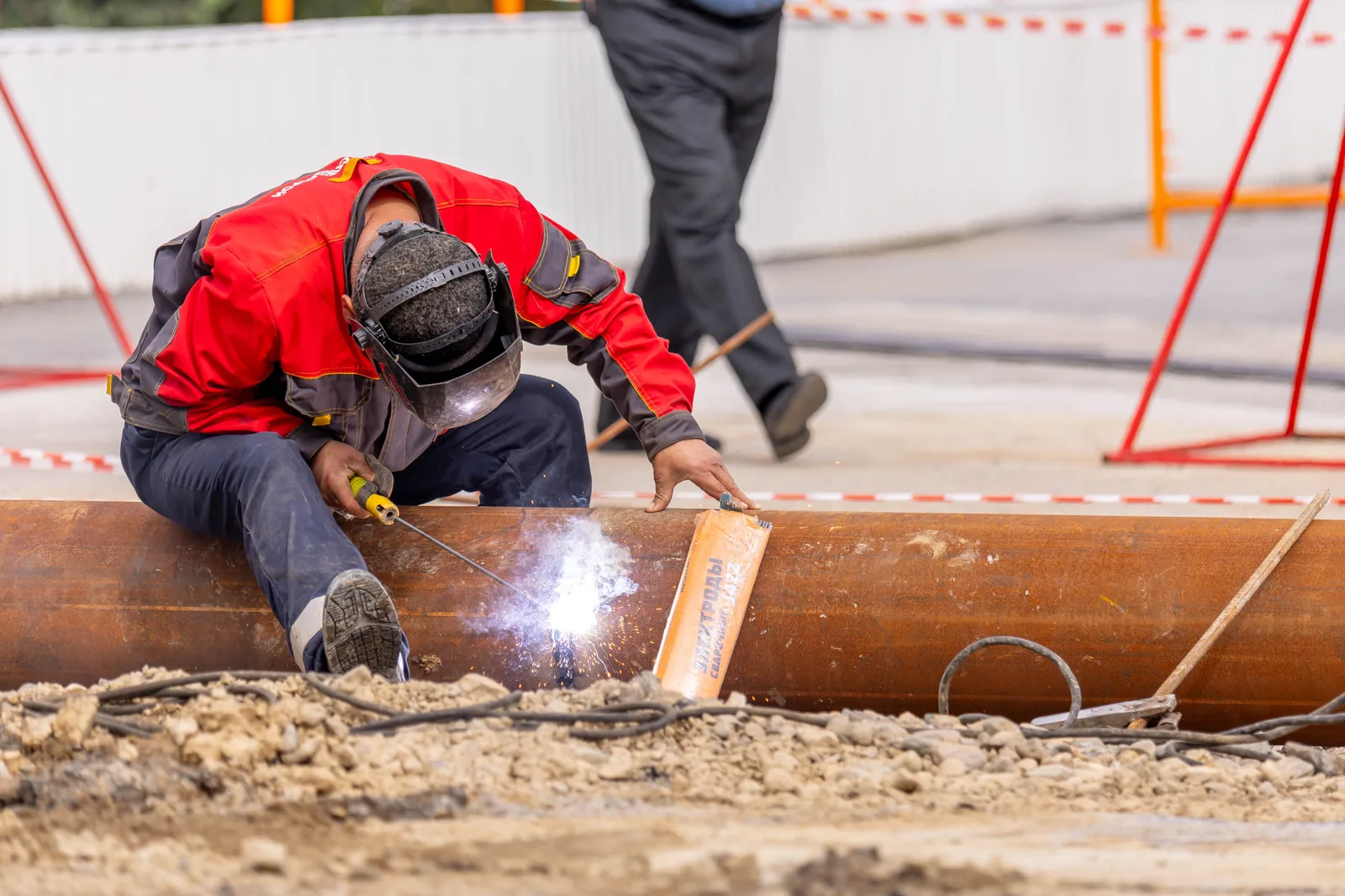
Plumbing businesses face constant capital demands: emergency service vehicles, water heater and pipe inventory, licensing and bonding, and staffing up before winter freeze season. Pennsylvania's older housing stock in Philadelphia and Pittsburgh, combined with genuinely cold winters, keeps real repair demand high and unpredictable.
Plumbing businesses in Pennsylvania qualify for MCA with 6+ months in business, $4,000-$6,000+/month in business bank deposits, and a 500+ FICO. Initial submission is a signed application plus 6 consecutive months of business bank statements, nothing more. Decisions come back from the funding provider once your file is complete.
4-Point Qualification Breakdown
1
Revenue
$4,000-$6,000+/month in average business bank deposits
2
Bank Statements
6 consecutive months, $4,000+ average ending balance
3
Time in Business
6+ months of operating history
4
Business Ownership
Active Pennsylvania business bank account in the applicant's name
How Plumbing Businesses Use MCA Funding
Service van purchase or down payment
Water heater and pipe fitting inventory ahead of a busy season
Licensing, bonding, and insurance renewals
Technician hiring and training before winter freeze season
Trenchless sewer line and camera inspection equipment for older housing stock
Payroll and material costs on larger jobs while a general contractor's payment terms are still pending
Older housing stock in Philadelphia and Pittsburgh keeps repair demand high, and hard to predict from one week to the next.
Pennsylvania's Old Housing Stock and Real Plumbing Demand
Pennsylvania's plumbing demand is shaped by its buildings as much as by its weather. Philadelphia and Pittsburgh are consistently identified in U.S. Census Bureau housing data as having some of the oldest residential building stock of any major metro area in the country. Philadelphia's rowhouse neighborhoods and Pittsburgh's hillside housing include large numbers of homes built well before 1950, many still running on original or long-since-patched galvanized steel or cast iron supply and drain lines. Homes that age generate a steady, real stream of pipe replacement, sewer lateral repair, and water heater replacement work that simply does not exist in the same volume in newer-housing markets across the Sun Belt.
That older infrastructure interacts directly with Pennsylvania's climate. A genuinely cold winter, common across the state from the Philadelphia suburbs through the Pittsburgh region and the Allegheny highlands, means aging, poorly insulated pipe runs in older basements, crawl spaces, and exterior walls are far more likely to freeze and burst than comparable lines in a newer, better-insulated home. For a Pennsylvania plumbing contractor, that combination shows up as a predictable seasonal spike in emergency call volume every winter, layered on top of the ordinary, year-round repair and replacement work that older housing stock already generates.
Materials and labor for a planned job get committed at the start. The money that covers them arrives at the end.
The Real Cash-Timing Gap for Pennsylvania Plumbers
Two distinct, real timing gaps show up repeatedly for Pennsylvania plumbing contractors, and neither one is a sign the business is struggling. The first is seasonal staffing. A contractor who wants to actually capture the winter freeze-burst call volume has to hire, train, and equip on-call technicians, and stock extra water heaters and pipe fittings, in the fall, before that revenue starts coming in. Payroll for the added crew and the parts order both come due in September and October; the call volume, and the revenue that pays for it, doesn't peak until the first hard freeze hits in December or January.
The second gap shows up on larger commercial and renovation plumbing jobs, which are common in Pennsylvania's older commercial buildings and multi-unit housing stock. A general contractor typically pays on net-30 or net-60 terms, and often holds a retainage percentage back until the job passes final inspection. Meanwhile, the plumbing subcontractor's own payroll, material purchases, and fuel costs for the crew's vehicles are due weekly regardless of when the GC's payment actually lands. Both of these are ordinary, real timing mismatches between when money must go out and when it comes back in, which is the specific gap an MCA is built to bridge.
What a Factor Rate Actually Costs (Not a Loan)
A merchant cash advance is priced with a one-time factor rate, not an annualized interest rate. Example: a $15,000 advance at a 1.20 factor rate means $18,000 total repayment, a $3,000 cost of capital. That total is fixed at origination and repaid via a daily or weekly percentage of your bank deposits, not a fixed monthly loan payment.
Advance Amount
Factor Rate
Total Repayment
Cost of Capital
$15,000
1.20
$18,000
$3,000
Check Your Funding Estimate
When Pennsylvania Plumbing MCA Fits, and When to Wait
MCA is built for a specific, real cash-timing gap, not as a general-purpose way to cover a business that isn't generating enough sales on its own. The comparison below is meant to help you decide before you apply, not after.
T.A.G. Business Funding
Plumbing Funding in Pennsylvania: Review Starts Once Your File Is Complete
$4,000-$6,000+/month revenue, 6 consecutive months of statements, 500+ FICO minimum.
500+ FICO minimum · 6+ months in business · $4,000-$6,000+/month revenue
FAQ
Can a plumbing business in Pennsylvania get a merchant cash advance?
Yes. Plumbing businesses in Pennsylvania qualify for MCA with 6+ months in business, $4,000-$6,000+/month in business bank deposits, and a 500+ FICO. Approval is based on your deposit history, not your credit score alone.
How many months of bank statements do I need?
Exactly 6 consecutive months of business bank statements, the same window used for the time-in-business minimum, with an average ending balance of $4,000+ across your 6 statements.
Is this a loan?
No. A merchant cash advance is a purchase of a fixed amount of your future receivables, not a loan. There is no interest rate, no fixed monthly payment, and no fixed maturity date. It is priced with a one-time factor rate applied to the advance amount.
How much could a Pennsylvania plumbing business qualify for?
MCA amounts are typically 75%-150% of average monthly bank deposits. For example, a $15,000 advance at a 1.20 factor rate means $18,000 total repayment: a $3,000 cost of capital, repaid via a daily or weekly percentage of deposits rather than a fixed monthly bill.
Does Pennsylvania require MCA cost disclosure?
Pennsylvania does not currently have a commercial finance disclosure law equivalent to California's SB 1235. T.A.G. Business Funding voluntarily provides full cost disclosure, including the total payback amount and repayment structure, on every Pennsylvania offer before signing.
What documents do I need to apply, and are personal bank statements accepted?
A completed application and your six most recent, consecutive months of business bank statements, all pages and unredacted. Job invoices, GC payment records, and personal account statements are not a substitute for your actual business checking account statements. A driver's license and a voided business check may be requested later, after approval, but neither is required to start your application.
Does applying affect my credit score, and is a personal guarantee required?
Initial review uses a soft credit pull only, which does not affect your credit score. A hard credit pull typically occurs later, before final approval, and can lower your score by a few points, similar to any credit inquiry. Most MCA agreements, including offers arranged through T.A.G., also require a personal guarantee from the business owner.
Last reviewed: September 2026. T.A.G. Business Funding is an independent ISO partner, not a direct lender. All examples are illustrative. Advance amounts and rates vary by business profile and funder. Not financial advice.
Initial review uses a soft credit pull only. A hard credit pull typically occurs later, before final approval, and can affect your credit score by a few points.