Medical clinics and urgent care centers face the same insurance reimbursement lag as dental practices, plus equipment and staffing costs that scale with patient volume. New York is one of the largest state economies in the country, anchored by New York City.
Medical Clinics businesses in New York qualify for MCA with 6+ months in business, $4,000 to $6,000+/month in business bank deposits, and a 500+ FICO. Initial submission is a signed application plus 6 consecutive months of business bank statements, nothing more. Timing is set by the funding provider after it reviews your file.
4-Point Qualification Breakdown
1
Revenue
$4,000 to $6,000+/month in average business bank deposits
2
Bank Statements
6 consecutive months, $4,000+ average ending balance
3
Time in Business
6+ months of operating history
4
Business Ownership
Active New York business bank account in the applicant's name
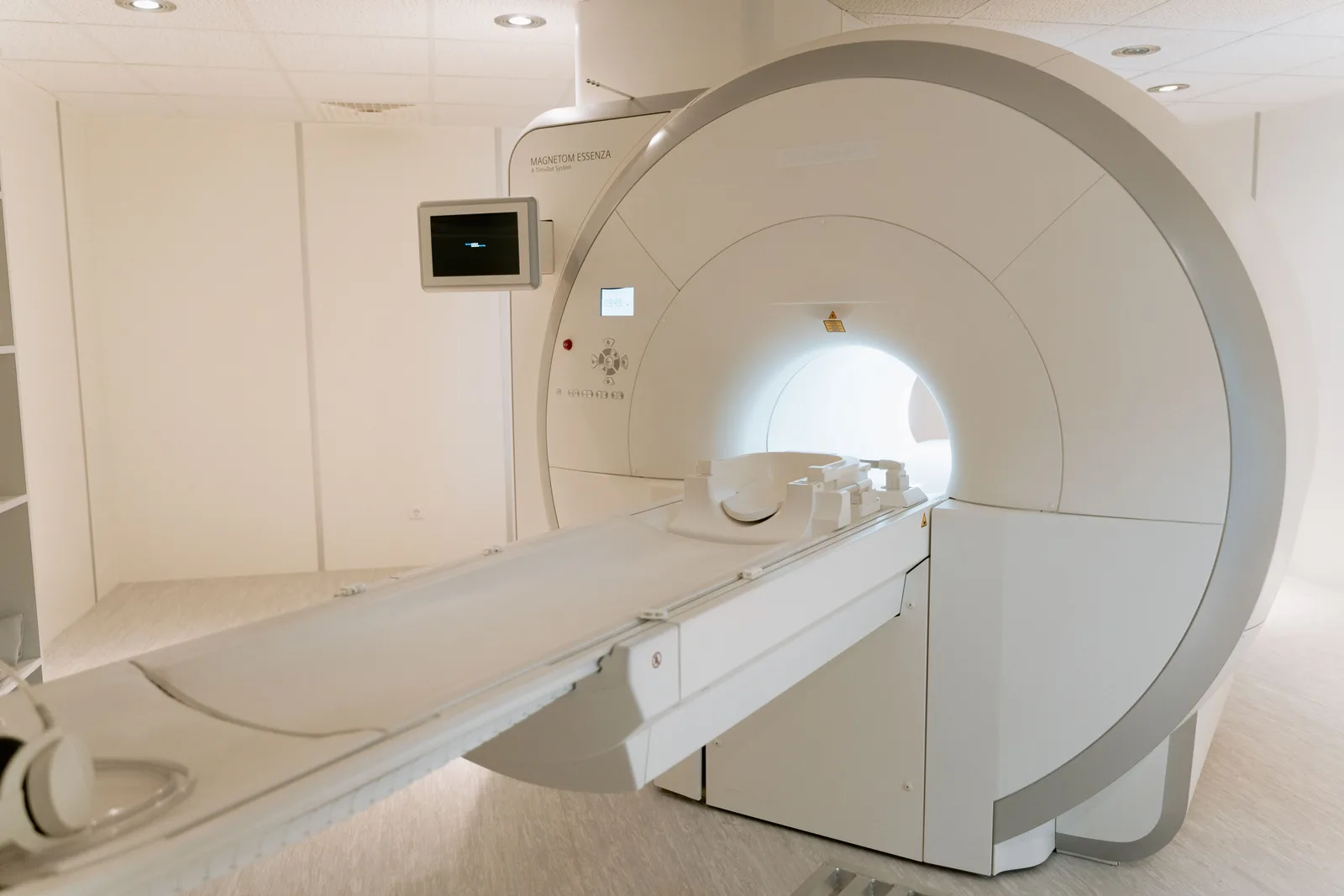
New York clinics carry some of the highest occupancy and staffing costs in the country, so imaging capacity is a commitment to time carefully.
How Medical Clinics Businesses Use MCA Funding
Diagnostic and treatment equipment
Staff hiring ahead of patient growth
Insurance reimbursement lag bridge
EHR and compliance system upgrades
What actually differs for a New York clinic
Most funding pages treat every state the same. Two things genuinely differ for a medical clinic, and both change how you should time a capital decision in New York specifically.
1. Whether the state has to approve your equipment purchase
New York: Active CON program. New York operates one of the oldest Certificate of Need regimes in the country, governed by Public Health Law Article 28 (section 2802, approval of construction) and 10 NYCRR Part 710. Importantly, New York raised its review thresholds effective August 6, 2025: full review now generally applies to projects above roughly $60 million for general hospitals and roughly $20 million for other Article 28 facilities. Most routine equipment purchases by a small clinic fall well below those figures, though lower-level review or notice requirements can still apply depending on the project and facility type.
For a large capital project the review calendar, not the vendor lead time, sets the schedule — and capital often needs to be available at approval rather than at application. For an ordinary small-clinic equipment purchase under the 2025 thresholds, the practical constraint is usually funding availability rather than CON review; confirm which tier your specific project falls into before assuming either.
Lower-level review or notice requirements can still apply depending on the project and facility type. Confirm which tier your specific project falls into. Diagram built from this state’s own Certificate of Need statute and program status, cited on this page. Requirements change; confirm current applicability for your specific project before relying on this summary.New York’s Commercial Finance Disclosure Law is among the most detailed commercial financing disclosure regimes in the country. Disclosure status reflects T.A.G.’s own verified state list, cited on this page. State commercial financing statutes change; this is a summary, not legal advice.
2. What a funder must disclose to you in New York
New York enacted the Commercial Finance Disclosure Law, implemented through Part 600 of the NYCRR. It is among the most detailed commercial financing disclosure regimes in the country and applies to financing provided to New York businesses.
Local operating context
New York clinics operate under some of the highest occupancy and staffing costs in the country, so the working-capital cushion needed to absorb a reimbursement delay is correspondingly larger.
Official New York sources
Verify any consequential regulatory fact against the authority itself, not against a funding company’s summary of it — including this one:
This section is general information about New York regulation, not legal advice, and T.A.G. Business Funding is an independent funding intermediary rather than a lender or a law firm. Certificate of Need and commercial financing disclosure requirements are both actively changing — New York, for example, raised its review thresholds in August 2025 — so confirm the current rules for your specific project with the relevant New York agency or your own counsel before relying on anything here.
The working capital cushion needed to absorb a reimbursement delay is correspondingly larger in New York.
What a Factor Rate Actually Costs: Not a Loan
A merchant cash advance is priced with a one-time factor rate, not an annualized interest rate. Example: a $25,000 advance at a 1.20 factor rate means $30,000 total repayment, a $5,000 cost of capital. That total is fixed at origination and repaid via a daily or weekly percentage of your bank deposits, not a fixed monthly loan payment.
Advance Amount
Factor Rate
Total Repayment
Cost of Capital
$25,000
1.20
$30,000
$5,000
Check Your Funding Estimate
T.A.G. Business Funding
Medical Clinics Funding in New York
$4,000 to $6,000+/month revenue, 6 consecutive months of statements, 500+ FICO minimum.
500+ FICO minimum · 6+ months in business · $4,000 to $6,000+/month revenue
FAQ
Can a medical clinics business in New York get a merchant cash advance?
Yes. Medical Clinics businesses in New York qualify for MCA with 6+ months in business, $4,000 to $6,000+/month in business bank deposits, and a 500+ FICO. Approval is based on your deposit history, not your credit score alone.
How many months of bank statements do I need?
Exactly 6 consecutive months of business bank statements, the same window used for the time-in-business minimum, with an average ending balance of $4,000+ across your 6 statements.
Is this a loan?
No. A merchant cash advance is a purchase of a fixed amount of your future receivables, not a loan: there is no interest rate, no fixed monthly payment, and no fixed maturity date. It is priced with a one-time factor rate applied to the advance amount.
How much could a New York medical clinics business qualify for?
MCA amounts are typically 75%-150% of average monthly bank deposits. For example, a $25,000 advance at a 1.20 factor rate means $30,000 total repayment ($5,000 cost of capital), repaid via a daily or weekly percentage of deposits, not a fixed monthly bill.
Does New York require state approval before my clinic buys major equipment?
Often yes, for covered projects. New York operates one of the oldest and most comprehensive Certificate of Need programs in the country — it enacted the first such law in 1964. Adding major medical equipment, changing bed capacity, or establishing new services generally requires state review before the project proceeds. CON review adds a real approval step ahead of a New York clinic's capital purchase, which means financing has to be timed against a regulatory calendar rather than an ordinary vendor lead time. Operators frequently need capital available at approval rather than at application.
What is a funder required to disclose to me in New York?
New York enacted the Commercial Finance Disclosure Law, implemented through Part 600 of the NYCRR. It is among the most detailed commercial financing disclosure regimes in the country and applies to financing provided to New York businesses. Whatever the state requires, you should always be able to see the total payback amount, the payment structure, and the estimated term in writing before you sign — T.A.G. presents those figures on every file it submits, and actual terms are set by the funding provider after review.
Last reviewed: August 2026. T.A.G. Business Funding is an independent ISO partner, not a direct lender. All examples are illustrative. Advance amounts and rates vary by business profile and funder. Not financial advice.