Plumbing businesses face constant capital demands: emergency service vehicles, water heater and pipe inventory, licensing and bonding, and staffing up before the winter freeze season hits. Illinois is anchored by Chicago, one of the largest metro economies in the Midwest, with an older housing stock that keeps licensed plumbers busy year-round.
Plumbing businesses in Illinois qualify for MCA with 6+ months in business, $4,000-$6,000+/month in business bank deposits, and a 500+ FICO. Initial submission is a signed application plus 6 consecutive months of business bank statements: nothing more is required to start. Decision timing is set by the funding provider.
4-Point Qualification Breakdown
1
Revenue
$4,000-$6,000+/month in average business bank deposits
2
Bank Statements
6 consecutive months, $4,000+ average ending balance
3
Time in Business
6+ months of operating history
4
Business Ownership
Active Illinois business bank account in the applicant's name
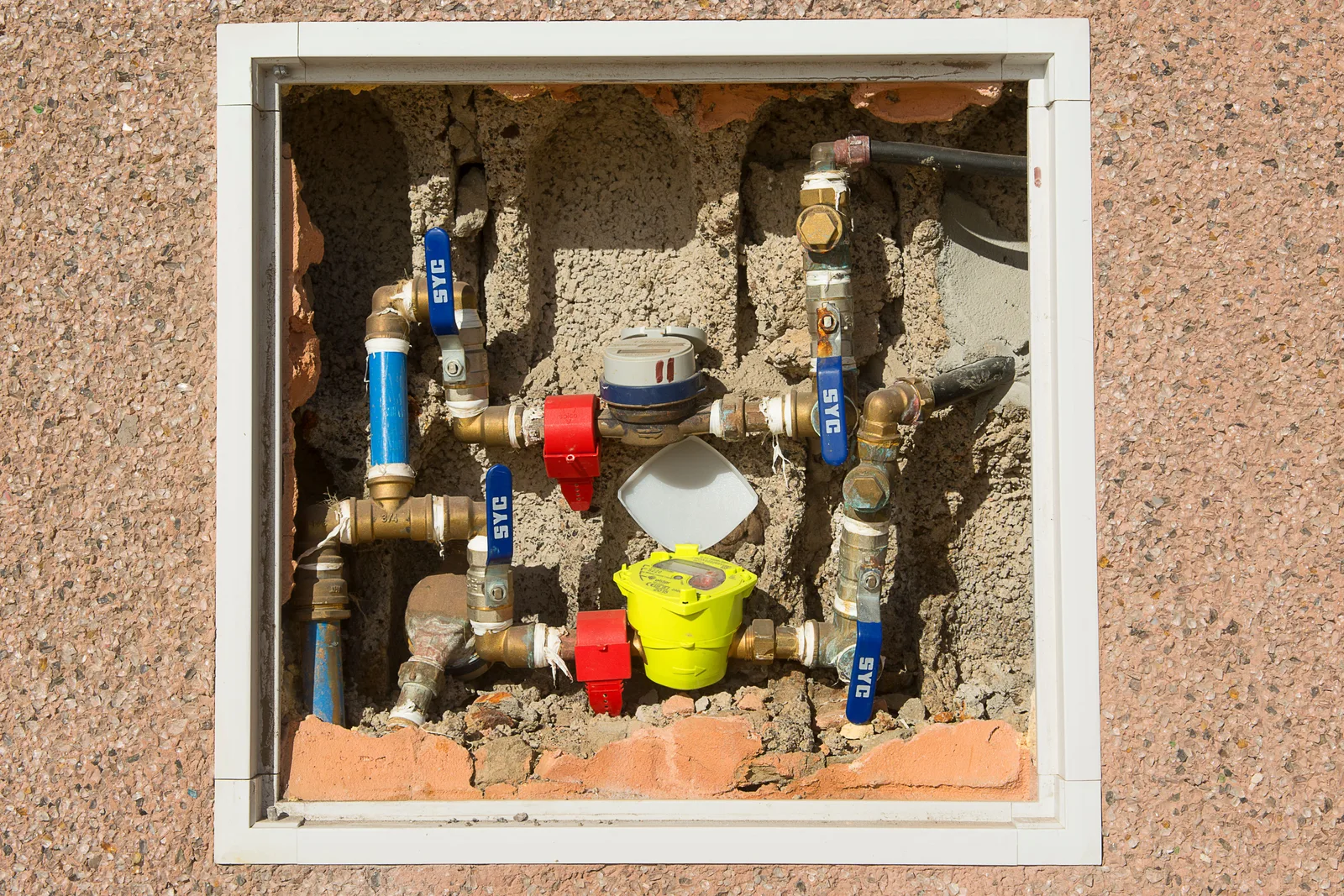
An aging, lead service line heavy housing stock around Chicago keeps baseline repair work coming in well outside the winter rush.
Why Illinois Plumbing Contractors See Sharp Seasonal Demand Swings
Chicago's housing stock is genuinely old by U.S. standards. A large share of the city's homes and multi-unit buildings predate 1960, many going back to the early 1900s, and the plumbing behind those walls is old too: galvanized supply lines, aging cast iron drain stacks, and service lines that were never built to last a century. Chicago also has more lead water service lines than any other U.S. city, an estimated 400,000 or more, and ongoing federal and city lead-line-replacement requirements are steadily generating real reconnection and repair work for licensed plumbers, not just inside Chicago proper but across the older inner-ring suburbs that share the same aging building stock.
Then there is winter. Illinois gets genuinely cold, and Chicago-area plumbers see call volume spike hard every year once temperatures drop into the single digits or below for an extended stretch: frozen supply lines, split copper, cracked water heaters, and burst pipes in uninsulated crawl spaces and unheated additions. That surge is not steady, predictable revenue. It is compressed into a handful of brutal weeks, and a company has to be staffed, stocked, and vehicle ready before the first hard freeze hits, not after the phone starts ringing.
Together, an aging, lead-service-line-heavy housing stock and a hard winter freeze season are why plumbing demand in Illinois runs on a fundamentally different rhythm than plumbing demand in a warmer, newer-construction state. The businesses that plan and staff ahead of that rhythm capture the season. The ones that scramble after it starts lose calls to a competitor who was ready.
How Plumbing Businesses Use MCA Funding
Service van purchase, down payment, or winter readiness (heated storage, block heaters, tire chains)
Hiring and training seasonal or overflow technicians before the winter freeze surge
Covering payroll and material costs on a commercial job while a general contractor's net-30 or net-60 payment clears
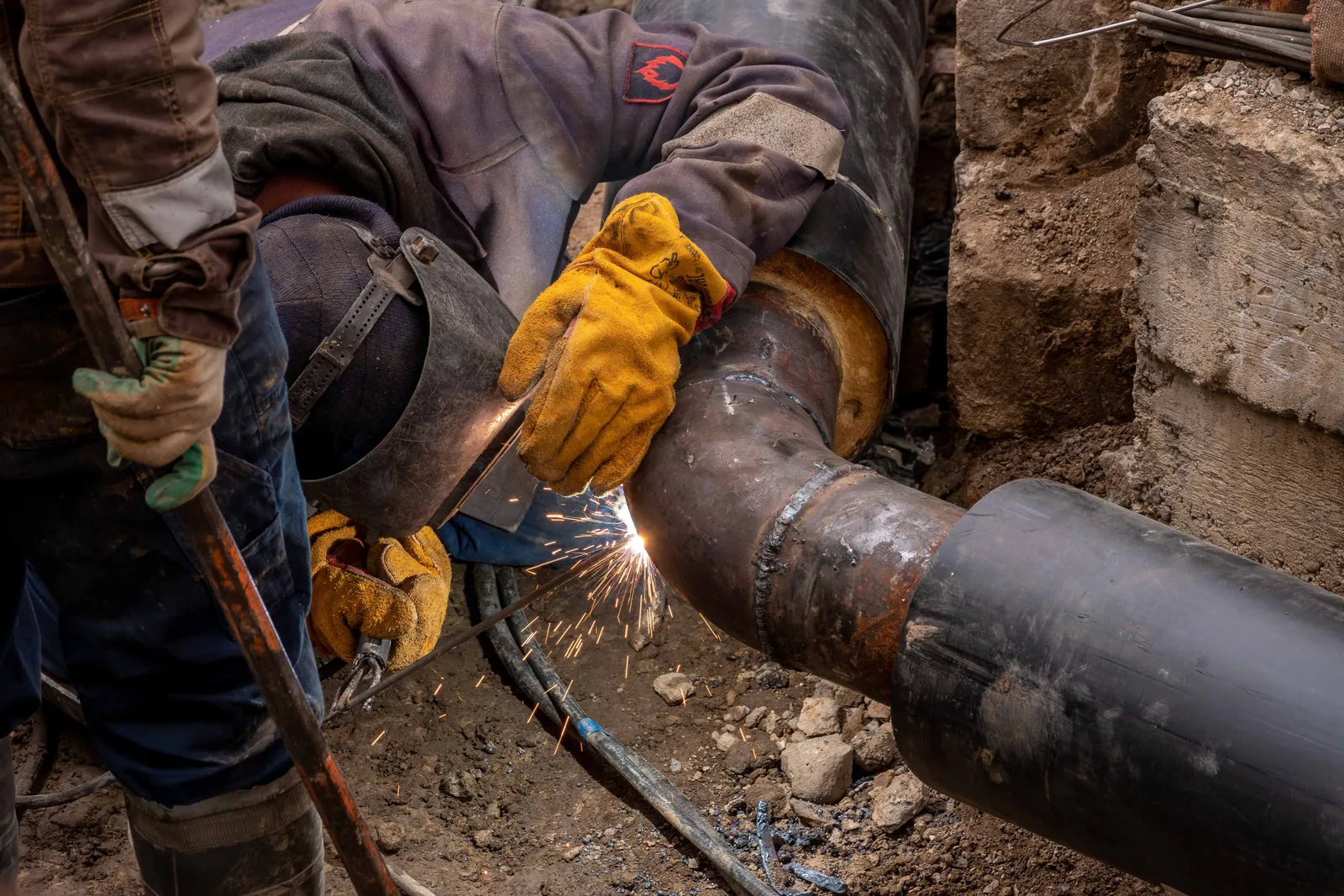
The freeze surge is compressed into a handful of brutal weeks, so a company has to be staffed, stocked and vehicle ready before the first hard freeze.
The Pre-Winter Staffing and Parts Cash Timing Gap
For most Illinois plumbing contractors, the real cash flow problem is not a lack of demand, it is timing. Getting ready for the winter freeze surge generally means bringing on seasonal or overflow technicians, running them through training and background checks, stocking the parts that actually move during a freeze (shutoff valves, couplings, pipe insulation, water heaters), and getting service vehicles winterized, all weeks before a single emergency call comes in. Payroll for those new hires and the invoice for that parts order both come due immediately. The emergency-call revenue they were hired and stocked to handle does not start arriving until the freeze actually hits, and even then it takes time to invoice and collect on it.
Larger commercial and new-construction plumbing subcontractors face a related but different version of the same gap: many general contractors pay on net-30 or net-60 terms and hold a retainage percentage until a project reaches final completion, while payroll, material costs, and fuel for the crew are due weekly regardless of when the GC actually cuts a check. Either way, the money going out moves faster than the money coming in, and that is the specific gap a merchant cash advance is built to bridge: working capital sized to your existing deposit history, not a loan against future work that has not been invoiced yet.
What a Factor Rate Actually Costs, Not a Loan
A merchant cash advance is priced with a one-time factor rate, not an annualized interest rate. Example: a $15,000 advance at a 1.20 factor rate means $18,000 total repayment, a $3,000 cost of capital. That total is fixed at origination and repaid via a daily or weekly percentage of your bank deposits, not a fixed monthly loan payment. This is an illustrative example only, not a quote: your actual advance amount, factor rate, and repayment structure are determined by the funding provider after reviewing your specific file.
Advance Amount
Factor Rate
Total Repayment
Cost of Capital
$15,000
1.20
$18,000
$3,000
Should You Apply Now, or Wait and Compare Options First?
A merchant cash advance is not the right tool for every plumbing business, or for every point in the season. Here is an honest way to think through it before you apply.
Check Your Funding Estimate
Illinois Commercial Finance Disclosure: No State Law
Illinois does not currently have a commercial finance disclosure law equivalent to California's SB 1235. T.A.G. Business Funding, based in Chagrin Falls, Ohio, voluntarily provides full cost disclosure, including the total payback amount and repayment structure, on every offer before signing, regardless of what state law requires.
T.A.G. Business Funding
Plumbing Funding in Illinois
$4,000-$6,000+/month revenue, 6 consecutive months of business bank statements, 500+ FICO minimum.
500+ FICO minimum · 6+ months in business · $4,000-$6,000+/month revenue
FAQ
Can a plumbing business in Illinois get a merchant cash advance?
Yes. Plumbing businesses in Illinois qualify for MCA with 6 or more months in business, $4,000-$6,000+ per month in business bank deposits, and a 500+ FICO score. Approval is based mainly on your deposit history, not your credit score alone.
How many months of bank statements do I need, and do they have to be business statements?
Exactly 6 consecutive months of business bank statements, the same window used for the time in business minimum. Personal bank statements are not accepted. Average ending balance across the 6 statements should be $4,000 or more.
Is this a loan?
No. A merchant cash advance is a purchase of a fixed amount of your future receivables, not a loan. There is no interest rate, no fixed monthly payment, and no fixed maturity date. It is priced with a one time factor rate applied to the advance amount, and actual pricing and terms are determined by the funding provider after review of your file.
How much could a plumbing business in Illinois qualify for?
MCA amounts are typically 75%-150% of average monthly bank deposits. For example, a $15,000 advance at a 1.20 factor rate means $18,000 total repayment ($3,000 cost of capital), repaid via a daily or weekly percentage of deposits, not a fixed monthly bill. This example is illustrative only: your actual advance amount, factor rate, and repayment structure are set by the funding provider after reviewing your file.
What credit score do I need, and will applying hurt my credit?
T.A.G. looks for a 500+ FICO score as a starting point, but approval is based primarily on your business bank deposits, not your score alone. Initial review uses a soft credit pull only. A hard credit pull typically occurs later, before final approval, and can affect your score by a few points. Most MCA agreements, including T.A.G.'s, also require a personal guarantee from the business owner.
Does Illinois require MCA cost disclosure?
Illinois does not currently have a commercial finance disclosure law equivalent to California's SB 1235. T.A.G. Business Funding, based in Chagrin Falls, Ohio, voluntarily provides full cost disclosure, including the total payback amount and repayment structure, on every offer before signing, regardless of what state law requires.
What documents do I need to apply?
A completed application and your six most recent, consecutive months of business bank statements, all pages, unredacted. Personal bank statements are not accepted. A driver's license and a voided business check may be requested later, after approval, but neither is required to start your application.
Last reviewed: September 2026. T.A.G. Business Funding is an independent ISO partner, not a direct lender. All examples are illustrative. Advance amounts and rates vary by business profile and funder. Not financial advice.