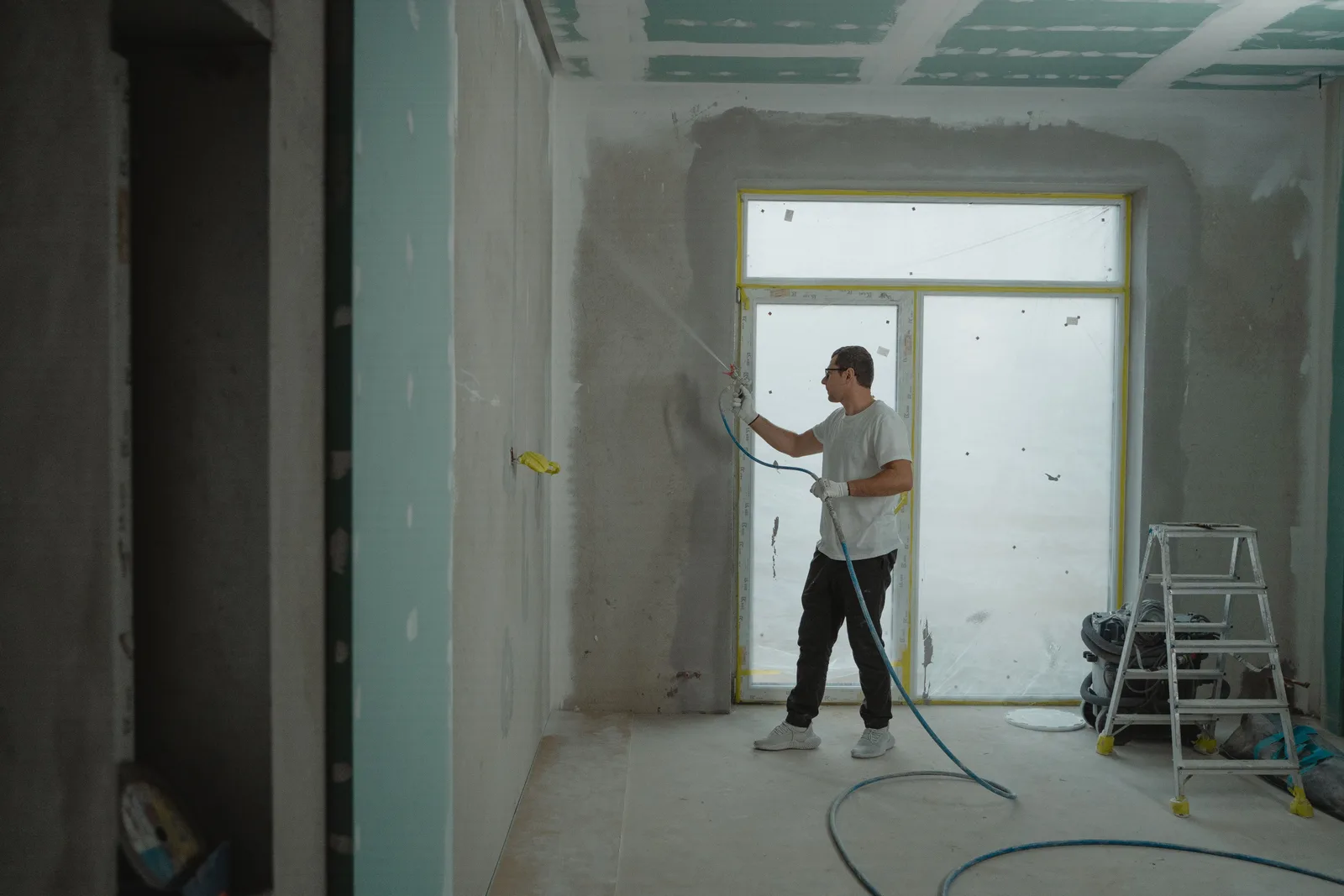
Yes. Chicago is the third-largest construction market in the US. Illinois GCs issue draws every 30 days, but prevailing wage labor on Chicago projects must be paid bi-weekly. Illinois has not enacted a state-specific commercial financing disclosure law as of 2026. T.A.G. Business Funding voluntarily provides full cost disclosure on every Illinois offer.
Illinois contractors qualify for MCA based on monthly bank deposits. Minimum: $4,000-$6,000+/month, 500 FICO, 6+ months operating. Advance range: $15,000-$300,000. Review begins as soon as your file is complete. Funding timing is set by the funding provider after review. T.A.G. voluntarily provides full cost disclosure before signing. No tax returns, no collateral.
Chicago is the third-largest construction market in the US. Illinois's prevailing wage law means bi-weekly payroll continues while GC draws arrive monthly. Illinois has not enacted a state-specific disclosure law as of 2026. T.A.G. voluntarily provides full disclosure before signing on every offer.
$15K-$300K
Advance range
40+
Competing funders
24-48 hrs
Funding timeline
500
Min FICO
Illinois: No State-Specific MCA Disclosure Law
Illinois has not enacted a state-specific commercial financing disclosure law as of 2026. T.A.G. Business Funding voluntarily discloses total funded amount, total repayment amount, total finance charge, APR equivalent, term, and prepayment policy before signing on every Illinois MCA offer.
Illinois Markets
Contractor Funding by Illinois City
Chicago Loop / River North
High-rise commercial and luxury residential. Prevailing wage rates of $60-$130/hour for skilled trades. Bi-weekly payroll on a $5M project can exceed $200,000 every 2 weeks while monthly draws arrive. MCA bridges the gap.
Typical: $40K-$300K
Chicago West Loop / Fulton Market
Fastest-growing commercial corridor in Chicago. Office, tech HQ buildout, and mixed-use projects. Google, McDonald's HQ, and Fulton Market food production facility construction. High subcontractor demand with consistent project revenue.
Typical: $30K-$250K
Chicago Transit / Infrastructure
CTA and Metra projects have public-sector payment cycles of 45-90 days. O'Hare expansion (Project O'Hare) is creating major subcontractor demand through 2028. MCA bridges the state payment gap for transit subcontractors.
Typical: $30K-$200K
Naperville / Aurora / Schaumburg
Chicago suburban commercial growth corridor. I-88 tech corridor office construction. Schaumburg and Oakbrook corporate campus work creates consistent suburban contractor demand. Same national MCA criteria apply.
Typical: $20K-$150K
Rockford / Peoria
Manufacturing facility renovation and infrastructure work in Downstate IL. Caterpillar Peoria HQ campus projects. Rockford airport expansion. Smaller but consistent deposit volumes qualify for MCA on national criteria.
Typical: $10K-$80K
Springfield / Champaign
State government campus projects in Springfield. University of Illinois campus and medical district construction in Champaign. Consistent government-adjacent project revenue.
Typical: $10K-$60K
Qualification
Crew and material costs start the moment mobilization begins, well before an AIA billing cycle produces a paid draw.
Illinois Contractor MCA Requirements
Minimum Monthly Deposits
$4,000-$6,000+/month
Minimum FICO Score
500 (soft pull to start)
Time in Business
6+ months operating
Documents Required
6 consecutive months bank statements + application
Advance Range
$15,000-$300,000
Disclosure
Voluntary full cost disclosure before signing
FAQ
Illinois Contractor Funding: FAQ
Can an Illinois contractor get MCA between draw cycles?
Yes. Chicago GCs issue draws every 30 days, but prevailing wage labor must be paid bi-weekly. A Chicago Loop contractor averaging $120,000/month may qualify for $90,000-$180,000 within 24 hours to bridge the payroll gap.
Does Illinois require commercial finance disclosure for contractors?
No. Illinois has not enacted a state-specific commercial financing disclosure law as of 2026. T.A.G. voluntarily discloses total funded amount, total repayment, finance charge, APR equivalent, term, and prepayment policy on every Illinois offer.
Can an Illinois contractor use MCA for prevailing wage payroll?
Yes. Chicago prevailing wage rates are among the highest in the US, often $60-$130/hour for skilled trades. Bi-weekly payroll on a $5M commercial project can exceed $200,000 every 2 weeks while GC draws arrive monthly. MCA bridges this gap faster than any other working capital product.
Can an Illinois contractor use MCA for O'Hare expansion projects?
Yes. Project O'Hare (the largest airport expansion in the US currently) is creating major subcontractor demand through 2028. These public-sector projects have state and city payment cycles of 45-90 days. MCA bridges the gap for O'Hare subcontractors waiting on CDOT and city payments.
How fast can an Illinois contractor get funded?
Most Illinois contractor applications receive a decision once your file is complete. Chicago contractors who submit a complete file early in the day get it in front of the funding provider sooner. The provider sets decision and funding timing.
How much can an Illinois contractor get with an MCA?
Illinois contractor MCA amounts typically range from $15,000 to $300,000 depending on monthly deposits. A Chicago Loop contractor averaging $120,000/month may qualify for $90,000-$180,000. A Naperville or Aurora suburban contractor averaging $60,000/month may qualify for $45,000-$90,000. A Rockford or Peoria contractor averaging $30,000/month may qualify for $22,500-$45,000.
What credit score does an Illinois contractor need for MCA?
The minimum FICO for Illinois contractor MCA approval is 500. MCA approval is primarily based on bank statement deposit volume. An Illinois contractor with 560 FICO and $40,000/month in consistent deposits will typically receive approval.
What Illinois contractor markets have the strongest MCA approval rates?
Chicago Loop, River North, West Loop/Fulton Market, and Wicker Park commercial contractors have the strongest MCA profiles due to high project values and deposit volumes. Transit-oriented development (TOD) contractors working on Chicago CTA and Metra projects have public-sector draw schedules (45-90 days), and MCA bridges the gap. O'Hare and Midway airport expansion contractors also show strong revenue profiles.
Cash Flow Pattern
Different trades on a jobsite front cash differently, but the underlying gap between work performed and draw paid looks the same on six months of statements.
The Illinois Contractor Draw Cycle
A signed contract does not pay the crew. Illinois contractors front materials, labor, and mobilization costs weeks before a GC or owner draw actually clears. The gap between doing the work and getting paid for it is what MCA is built to bridge, not a way to fund a business that is not otherwise winning signed work.
Honest Guidance
When Illinois Contractor MCA Is (and Isn't) the Right Move
MCA is a bridge for a specific, time-boxed gap between a signed contract and the draw that pays for it. It is not the cheapest way to fund long-term growth or to cover a business that is not winning enough signed work on its own. The comparison below is meant to help you decide before you apply, not after.
Full disclosure voluntarily provided · 500 FICO OK · No hard pull at application Chicago, Rockford, Peoria, Springfield & all of Illinois · Review begins as soon as your file is complete
Initial review uses a soft credit pull only. A hard credit pull typically occurs later, before final approval, and can affect your credit score by a few points.