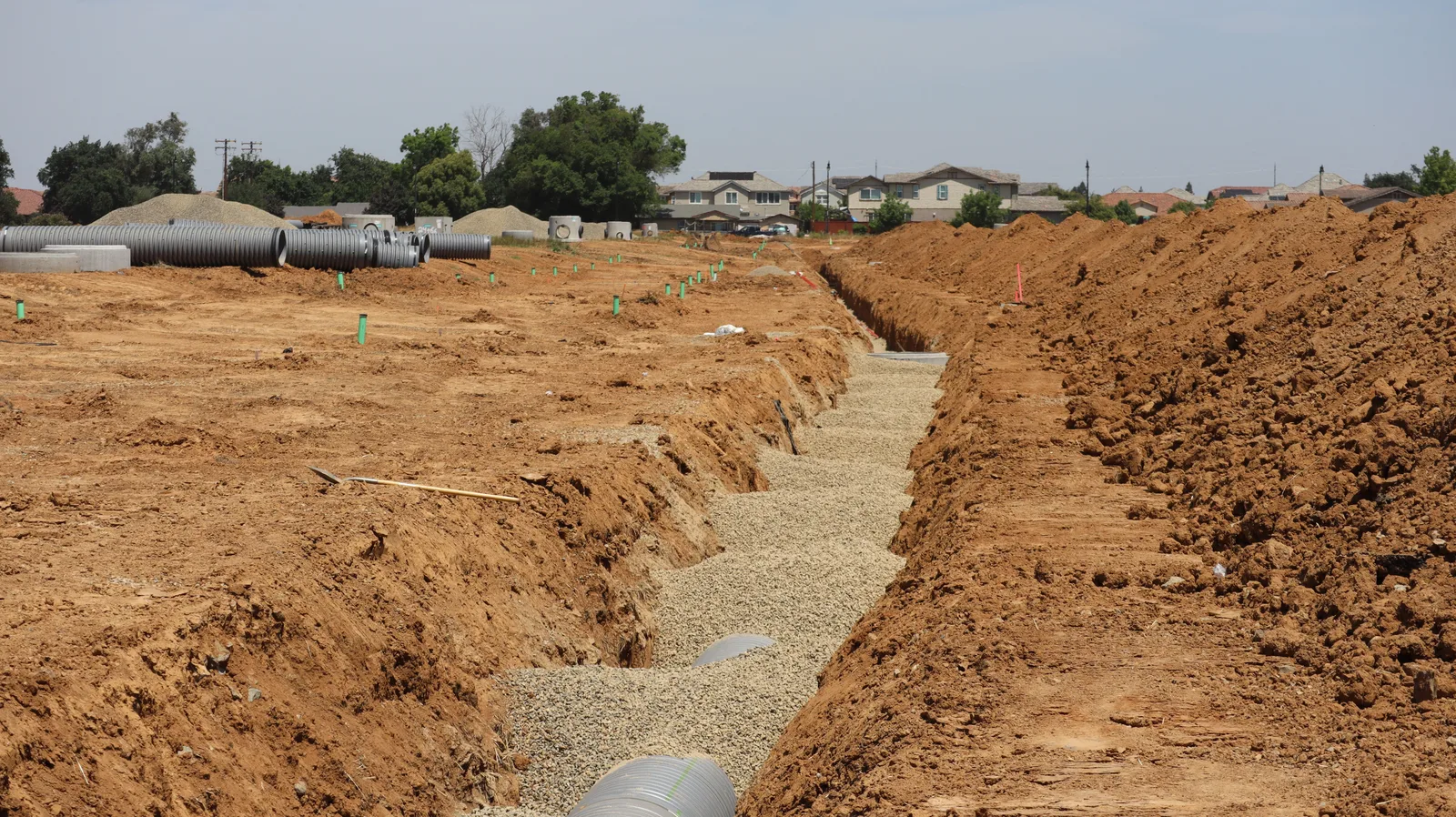
Plumbing businesses carry constant capital demands: service vehicles, water heater and pipe fitting inventory, licensing and bonding, and technician payroll. In Georgia, that demand curve looks different than it does up north. Metro Atlanta's fastest-growing suburban counties keep new-construction and remodel plumbing work steady year-round, and the state's hot, humid climate shifts seasonal service load toward water heaters and AC condensate lines rather than frozen pipes.
Plumbing businesses in Georgia qualify for MCA with 6+ months in business, $4,000-$6,000+/month in business bank deposits, and a 500+ FICO. Initial submission is a signed application plus 6 consecutive months of business bank statements, nothing more. Decision timing is set by the funding provider.
4-Point Qualification Breakdown
1
Revenue
$4,000-$6,000+/month in average business bank deposits
2
Bank Statements
6 consecutive months, $4,000+ average ending balance
3
Time in Business
6+ months of operating history
4
Business Ownership
Active Georgia business bank account in the applicant's name
How Plumbing Businesses Use MCA Funding
Service van purchase or down payment
Water heater and pipe fitting inventory
Licensing, bonding, and insurance renewals
Technician hiring and parts stocking ahead of peak season
Covering payroll, materials, and fuel while a general contractor's progress-billing invoice is still outstanding
New construction and remodel plumbing follows metro Atlanta's fastest growing suburban counties, and staffing for that volume takes cash before the invoices clear.
Georgia's Growth Counties Mean Steady New-Construction and Remodel Work
A meaningful share of Georgia's plumbing demand does not come from emergency calls; it comes from rooftops going up. Forsyth, Cherokee, and Henry County are consistently named among the fastest-growing counties in the country, and that growth shows up on a plumbing contractor's schedule as a steady stream of new-construction rough-in and trim work, plus remodel and repipe jobs in the older homes those same suburbs are filling in around. A plumbing company doing new-construction or remodel work in one of those counties is often looking at a fuller pipeline than a similarly sized shop in a market where population growth has flattened out. None of that changes how MCA underwriting works. A funding partner still looks at your business bank deposit history, not a county population chart. But it is a real reason plumbing demand in metro Atlanta's outer suburbs tends to stay busier for longer, and it is part of why the billing-timing issue covered below matters so much here.
A hot, humid climate shifts the seasonal service load toward water heaters and AC condensate lines rather than frozen pipes.
A Hotter, More Humid Climate Changes the Service Calendar
Plumbing seasonality in Georgia does not run on the same clock as a Midwest or Northeast market. Winters here are mild enough that burst-pipe emergency calls make up a smaller share of service work than they do up north. What replaces that volume looks different: water heaters run harder and tend to fail sooner in a climate this warm, and central air conditioning that runs most of the year means condensate drain lines clog far more often, since algae and sediment build up faster in a system that rarely shuts off. For a service plumbing business, that means the real staffing and parts-stocking push tends to land ahead of the summer cooling season, not around a winter freeze event that Georgia mostly avoids.
The GC Progress-Billing Cash Timing Gap
Plumbing companies doing commercial or new-construction work run into a different cash problem than an emergency service business. Payroll, materials, and fuel are due weekly, but the invoice for a completed phase of work, whether that is rough-in, top-out, or trim-out, typically goes to the general contractor on net-30 or net-60 terms, and GCs commonly hold back 5%-10% of each payment as retainage until the entire job passes final inspection. A crew can finish its portion of the work and still wait one to three months to see the bulk of that payment, while the cost of running the crew was due the same week the work was done.
This is the kind of gap MCA funding is built to bridge. It is not sized off a construction-loan application or a general contractor's payment history; it is sized off actual business bank deposit history, so a plumbing contractor with 6 months of consistent bank activity can cover payroll and materials on the next phase of a job without waiting on retainage to clear.
What a Factor Rate Actually Costs, Not a Loan
A merchant cash advance is priced with a one-time factor rate, not an annualized interest rate. Example: a $15,000 advance at a 1.20 factor rate means $18,000 total repayment, a $3,000 cost of capital. That total is fixed at origination and repaid via a daily or weekly percentage of your bank deposits, not a fixed monthly loan payment. MCA agreements typically require a personal guarantee from the business owner. Funding partners generally run a soft credit check for initial review, with a hard pull typically occurring later, before final approval; that hard pull can affect your credit score by a few points.
Georgia enacted SB 90, the Commercial Finance Disclosure Law, signed May 1, 2023 and effective January 1, 2024. It applies to commercial financing transactions of $500,000 or less, including merchant cash advances, and requires the provider to disclose the total cost of capital, an APR-equivalent figure, and the repayment structure before a merchant signs. Georgia is one of a small number of states with an enacted commercial-financing disclosure law on the books, and not every state that regulates this market requires the same figures. T.A.G.'s funding partners provide full SB 90-compliant disclosures on every Georgia offer.
Does an MCA Fit Now, or Is It Worth Comparing First?
A merchant cash advance is not the right tool for every situation. Before applying, it's worth being honest about which column below actually describes a plumbing business right now.
T.A.G. Business Funding
Plumbing Funding in Georgia
$4,000-$6,000+/month revenue, 6 consecutive months of statements, 500+ FICO minimum.
500+ FICO minimum · 6+ months in business · $4,000-$6,000+/month revenue
FAQ
Can a plumbing business in Georgia get a merchant cash advance?
Yes. Plumbing businesses in Georgia qualify for MCA with 6+ months in business, $4,000-$6,000+/month in business bank deposits, and a 500+ FICO. Approval is based on your deposit history, not your credit score alone.
How many months of bank statements do I need?
Exactly 6 consecutive months of business bank statements: the same window used for the time-in-business minimum, with an average ending balance of $4,000+ across your 6 statements.
Is this a loan?
No. A merchant cash advance is a purchase of a fixed amount of your future receivables, not a loan: there is no interest rate, no fixed monthly payment, and no fixed maturity date. It is priced with a one-time factor rate applied to the advance amount.
Does Georgia require disclosure for merchant cash advances?
Yes. Georgia enacted SB 90, the Commercial Finance Disclosure Law, signed May 1, 2023 and effective January 1, 2024. It applies to commercial financing transactions of $500,000 or less, including MCA, and requires the provider to disclose the total cost of capital, an APR-equivalent figure, and the repayment structure before a merchant signs. T.A.G.'s funding partners provide full SB 90-compliant disclosures on every Georgia offer.
How much could a Georgia plumbing business qualify for?
MCA amounts are typically 75%-150% of average monthly bank deposits. For example, a $15,000 advance at a 1.20 factor rate means $18,000 total repayment ($3,000 cost of capital), repaid via a daily or weekly percentage of deposits, not a fixed monthly bill.
Initial review uses a soft credit pull only. A hard credit pull typically occurs later, before final approval, and can affect your credit score by a few points.
Last reviewed: September 2026. T.A.G. Business Funding is an independent ISO partner, not a direct lender. All examples are illustrative. Advance amounts and rates vary by business profile and funder. Not financial advice.