Plumbing businesses face constant capital demands: emergency service vehicles, water heater and pipe inventory, licensing and bonding, and staffing up before hurricane season repair spikes. Florida is one of the fastest-growing state economies, with no state income tax.
Plumbing businesses in Florida qualify for MCA with 6+ months in business, $4,000-$6,000+/month in business bank deposits, and a 500+ FICO. Initial submission is a signed application plus 6 consecutive months of business bank statements, nothing more. Decision timing is set by the funding provider.
4-Point Qualification Breakdown
1
Revenue
$4,000-$6,000+/month in average business bank deposits
2
Bank Statements
6 consecutive months of business statements, $4,000+ average ending balance
3
Time in Business
6+ months of operating history
4
Business Ownership
Active Florida business bank account in the applicant's name
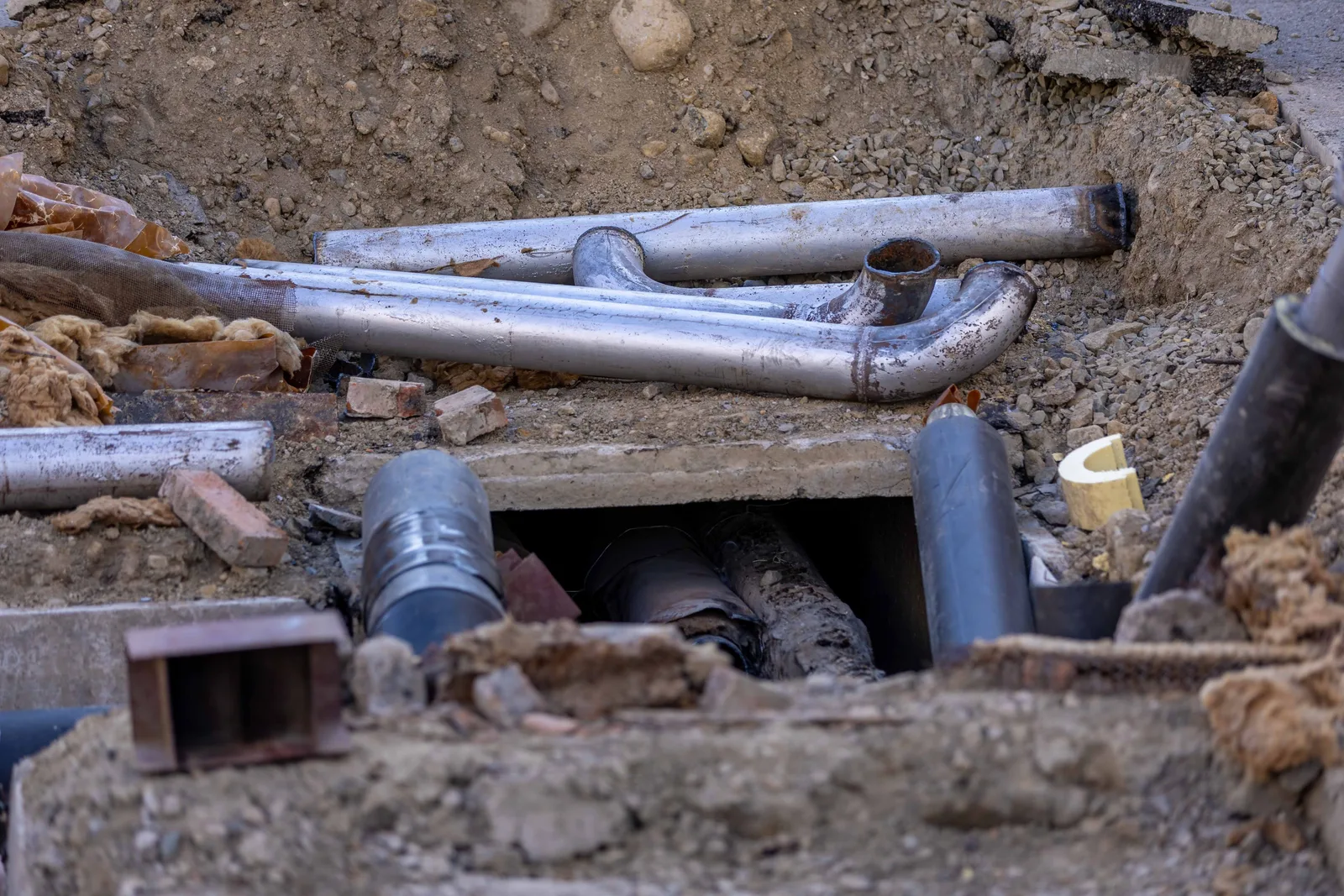
Cast iron drain lines and polybutylene supply piping fail as they age, and replacing them is billed at project size rather than as a quick service call.
Florida's Plumbing Market: Why Timing Matters Here
Florida keeps adding residents faster than nearly any other state, and that growth shows up directly in the trade. New-construction rough-in work, remodel plumbing, and water heater and fixture installs track the subdivisions and multifamily projects going up around Orlando, Tampa, Jacksonville, and the growth corridors ringing Miami. A licensed plumbing contractor with steady crews can usually keep a pipeline of both new-build and service work statewide, but staffing up and stocking parts for that volume takes cash before the corresponding invoices clear.
Florida's subtropical climate also changes what kind of plumbing work drives revenue. There is no winter freeze season pushing burst-pipe calls the way there is in colder states. Instead, air conditioning runs most of the year, and AC condensate line clogs, drain pan overflows, and water heater strain from near-constant hot water demand keep service calls fairly steady across all twelve months rather than piling up in one short season.
A lot of Florida's coastal and older suburban housing stock, in cities like Miami, Tampa, St. Petersburg, and Jacksonville, was built decades ago with cast iron drain lines or polybutylene supply piping, both of which are prone to failure as they age, especially given Florida's humidity and soil conditions. That drives a steady stream of repipe and drain-line replacement jobs: work that is typically billed at project size rather than a quick service-call ticket, so it carries its own cash-timing considerations for the contractor taking it on.
Atlantic hurricane season runs June 1 through November 30, and it reliably brings a spike in emergency plumbing and water-damage-related calls: burst supply lines from storm surge and flooding, sump pump and backflow-preventer repairs, and water heater replacements after a home takes on water. A plumbing business that wants to staff up and stock parts ahead of that seasonal spike, rather than scrambling once it hits, needs the cash to do it before that season's own service revenue exists to pay for it.
The GC Progress-Billing Cash-Timing Gap
For plumbing contractors doing commercial or new-construction work, the cash-timing gap does not come from buying inventory ahead of a sale. It comes from how general contractors pay subcontractors. A plumbing sub on a commercial build typically submits a progress billing tied to the percentage of work completed, then waits on net-30 or net-60 payment terms, with the GC or property owner holding back 5%-10% retainage until the job, or a milestone like substantial completion, is finished and signed off. Payroll for the crew on that job, material costs, and fuel for the trucks are all due weekly, regardless of when the GC's payment actually lands.
Illustrative timeline based on typical commercial subcontractor payment terms. Actual timing varies by GC, contract, and project.
This is a different shape of gap than a straight cash shortfall. The work is already sold, the GC has already agreed to pay for it, and the job itself may be profitable on paper. The gap is timing: money owed but not yet released, against payroll and material costs that do not wait for retainage to clear. Funding here is measured against a business's own deposit history, not against a specific unpaid invoice, so it can be used to bridge that stretch.
Air conditioning runs most of the year here, so condensate line clogs and water heater strain keep service calls fairly steady across all twelve months.
How Plumbing Businesses Use MCA Funding
Service van purchase or down payment
Water heater and pipe fitting inventory
Licensing, bonding, and insurance renewals
Staffing and stocking parts ahead of hurricane season demand
Covering payroll and materials while a GC progress payment and retainage are still pending
Mobilization costs for a repipe or drain-line replacement project
Technician hiring before peak season
What a Factor Rate Actually Costs (Not a Loan)
A merchant cash advance is priced with a one-time factor rate, not an annualized interest rate. Example: a $15,000 advance at a 1.20 factor rate means $18,000 total repayment: a $3,000 cost of capital. That total is fixed at origination and repaid via a daily or weekly percentage of your bank deposits, not a fixed monthly loan payment.
Advance Amount
Factor Rate
Total Repayment
Cost of Capital
$15,000
1.20
$18,000
$3,000
What to Know Before You Apply
A few things worth knowing upfront. The initial review uses a soft credit pull, so checking your options does not affect your score. A hard credit pull typically happens later in the process, before final approval, and that inquiry can affect your score by roughly 2 to 5 points, the same as any hard credit inquiry. Personal guarantees are typically required on MCA agreements, plumbing included, so read that clause carefully before signing. Only business bank statements are reviewed for approval; personal or mixed-use accounts are not accepted for the initial submission.
Florida Commercial Financing Disclosure Law (HB 1353)
Florida has an enacted commercial financing disclosure law, HB 1353. It took effect July 1, 2023, and applies to transactions consummated on or after January 1, 2024. The law covers loans, open-end credit, and accounts receivable purchases of $500,000 or less, and it exempts banks, licensed money transmitters, and real-estate-secured loans. It is enforced exclusively by the Florida Attorney General. T.A.G. is a broker, not the funding provider itself, so review the specific cost-of-capital disclosure your assigned provider gives you before signing.
Does an MCA Fit Your Situation Right Now?
An MCA is not the right tool for every situation, and being upfront about that is part of doing this responsibly. Here is an honest way to think about it before you apply.
A general guide, not a qualification decision. Final terms and approval are determined by the funding provider after review.
If your revenue and bank deposit history do not yet reach the ranges above, or a lower-cost option is realistically available in the time you have, it is worth comparing that option first. Factor-rate financing is a purchase of future receivables, and it should be weighed against its actual cost rather than treated as a default.
Check Your Funding Estimate
T.A.G. Business Funding
Plumbing Funding in Florida
$4,000-$6,000+/month revenue, 6 consecutive months of business bank statements, 500+ FICO minimum.
500+ FICO minimum · 6+ months in business · $4,000-$6,000+/month revenue
FAQ
Can a plumbing business in Florida get a merchant cash advance?
Yes. Plumbing businesses in Florida qualify for MCA with 6+ months in business, $4,000-$6,000+/month in business bank deposits, and a 500+ FICO. Approval is based on your deposit history, not your credit score alone.
How many months of business bank statements do I need?
Exactly 6 consecutive months of business bank statements: the same window used for the time-in-business minimum, with an average ending balance of $4,000+ across your 6 statements. Personal bank statements are not accepted, and every page must be included and unredacted.
Is this a loan?
No. A merchant cash advance is a purchase of a fixed amount of your future receivables, not a loan. There is no interest rate, no fixed monthly payment, and no fixed maturity date. It is priced with a one-time factor rate applied to the advance amount.
How much could a Florida plumbing business qualify for?
MCA amounts are typically 75%-150% of average monthly bank deposits. For example, a $15,000 advance at a 1.20 factor rate means $18,000 total repayment ($3,000 cost of capital), repaid via a daily or weekly percentage of deposits, not a fixed monthly bill.
Do you accept personal bank statements instead of business statements?
No. T.A.G. only reviews business bank statements: 6 consecutive months, all pages, non-redacted. Personal or mixed-use accounts are not accepted for the initial submission.
Will applying affect my credit score?
Checking your options uses a soft credit pull, which does not affect your score. A hard credit pull typically happens later in the process, before final approval, and can affect your score by roughly 2 to 5 points, the same as any hard credit inquiry.
Do I need to sign a personal guarantee?
Personal guarantees are typically required on MCA agreements, plumbing businesses included. Review that clause in your funding provider's agreement carefully before signing.
Does Florida require a cost disclosure for this type of financing?
Yes. Florida's commercial financing disclosure law, HB 1353, took effect July 1, 2023, and applies to qualifying transactions of $500,000 or less consummated on or after January 1, 2024. Covered providers must disclose the total cost of capital before the transaction is finalized. It's enforced exclusively by the Florida Attorney General.
Last reviewed: September 2026. T.A.G. Business Funding is an independent ISO partner, not a direct lender. All examples are illustrative. Advance amounts and rates vary by business profile and funder. Not financial advice.