Florida · HVAC Contractor Funding
Florida HVAC Funding:
Fast Capital for Florida AC Contractors
Florida runs the hottest HVAC market in the country. May through September is 5 months of near-constant emergency service calls. The challenge is getting ahead of that season. Refrigerant has to be in stock in April. Replacement units need to be on the shelf before the first heat wave. T.A.G. funds Florida HVAC contractors before and during season, not just after it ends.
Florida HVAC Seasonal Cash Flow Map
Florida's HVAC revenue cycle is the most favorable in the country, but the pre-season capital gap is also the largest. Understanding the cycle helps you time your advance correctly.
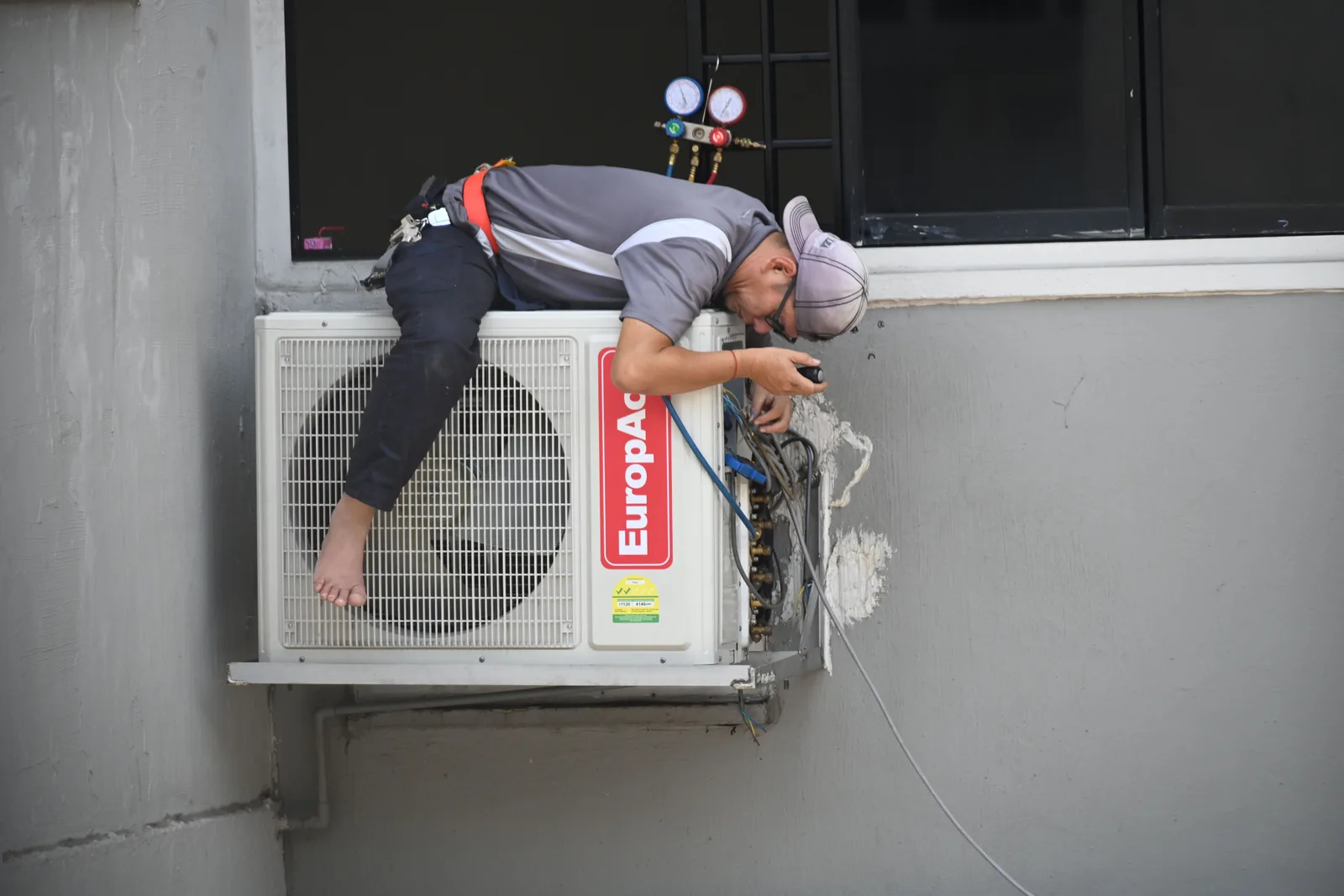
What Florida HVAC Contractors Use MCA For
Pre-season and in-season uses, no tax returns or business plans required.
- Refrigerant Pre-Stocking R-410A and R-32 prices peak in summer. Buying refrigerant in March-April, when prices are lower and supply is available, requires capital 60-90 days before the revenue from those refrigerant charges arrives.
- Replacement Unit Inventory Stocking air handlers (2-ton to 5-ton) and condensers before June ensures same-day installation capability during emergency failures. A unit that has to be special-ordered loses the customer to a competitor with a truck stock.
- Service Van Purchase or Repair A grounded service van in June costs a Florida HVAC company $800-$2,000+ per day in lost service calls. Emergency van replacement or repair MCA can fund once the provider approves the file.
- Technician Hiring and Training Florida HVAC companies that want to add a technician route for peak season need to hire and train in April, before demand arrives. The new tech's first 30-60 days of payroll and training costs hit before they're generating revenue.
- Commercial HVAC AR Bridge Commercial rooftop unit replacements and commercial maintenance contracts in Florida pay on net-30 to net-90 terms. MCA bridges the gap between completing the work and receiving payment.
- Duct Sealing and Diagnostics Equipment Florida's humidity makes duct leakage testing profitable, since the energy savings math is compelling to Florida homeowners. Duct blasters, thermal cameras, and blower door kits run $3,000-$15,000 and open new service revenue streams.
Qualification Requirements
Florida HVAC MCA qualifies based on deposit history, not FICO alone.
- Time in Business
- 6+ months
- Minimum operating history. Florida's year-round demand means even newer HVAC companies build deposit history quickly.
- Monthly Deposits
- $10,000+
- Average monthly bank deposits. Pre-season applications may show 3 lower-revenue months; the review process accounts for FL seasonality.
- Minimum FICO
- 500
- Tax liens, bank turndowns, prior bankruptcies reviewed individually. Deposit volume matters more.
- Factor Rate
- 1.15-1.45
- Established FL HVAC companies (2+ years): 1.15-1.28. New or irregular: 1.30-1.45.
- Holdback
- 10-20%
- Of average daily deposits. Scales automatically: lower deposits mean lower absolute daily debit amounts.
- Decision Time
- 2-4 hours
- From bank statement submission to approval. Funding after provider review available for morning applications.
Frequently Asked Questions: Florida HVAC Funding
-
Florida HVAC contractors typically qualify for $15,000 to $400,000. Amounts are 75-150% of average monthly bank deposits over 6 consecutive months. A company averaging $50,000/month qualifies for approximately $37,000-$75,000. High-volume commercial HVAC companies depositing $100,000+/month commonly see $75,000-$200,000 offers.
-
April or May, right before peak season, is the ideal time. Deposits from spring service calls are rising, and the advance is available to fund summer pre-stocking of refrigerant, equipment, and labor before demand spikes. Alternatively, apply in October or November after 3 strong summer months are on file.
-
Common uses: refrigerant pre-stocking (March-April before price peaks), replacement unit inventory, service van purchase or repair, technician hiring, commercial AR bridge (net-30 to net-90 invoices), diagnostic equipment, and payroll maintenance during January-February slow season in North Florida.
-
South Florida (Miami-Dade, Broward, Palm Beach) runs near-constant AC demand 10-11 months per year. HVAC companies in South Florida often have the most consistent deposit histories of any HVAC market nationally, which translates to better factor rates and higher advance amounts. North Florida has a more defined seasonal pattern closer to the national norm.
-
Florida's HVAC season is nearly year-round, but peaks hard in May through September when heat and humidity drive AC failure rates to the highest levels in the country. HVAC companies in South Florida (Miami-Dade, Broward, Palm Beach) operate at high volume 10-11 months per year. North Florida companies (Jacksonville, Tallahassee) have a more pronounced seasonal dip in January-February. Underwriters evaluate 6-month average deposits; Florida HVAC companies benefit from applying after spring service ramp-up.
-
Yes. Minimum FICO is 500. Deposit volume and consistency are the primary qualification criteria. Tax liens, bank declines, and past bankruptcies are individually reviewed and do not automatically disqualify applicants. A Florida HVAC company with strong peak-season deposits and a 520 FICO will qualify for a meaningful advance.
-
Decision after submitting bank statements. Funds are released after contract signing on the provider’s timeline. Applications submitted before noon Eastern are eligible for funding after provider review, critical for urgent pre-season stocking or emergency van replacement.
-
Yes. Florida HB 1353 (Fla. Stat. §559.961 et seq.) requires disclosure for commercial financing of $500,000 or less, which covers virtually all HVAC contractor MCA transactions. T.A.G. provides full disclosure (factor rate, total repayment, holdback percentage, estimated term) on every offer as required. You see the complete cost before signing anything.
Ready to Get Florida HVAC Funding?
60-second application. No credit pull. Review begins as soon as your file is complete.
Pre-season stocking, equipment, or payroll: funding timing is set by the funding provider after review.
The Florida HVAC Demand Cycle
HVAC demand in Florida does not arrive evenly across the year. Equipment and refrigerant need to be in stock before the season hits, not after. The gap between pre-season prep and peak-season revenue is what MCA is built to bridge, not a way to fund a business that is not otherwise generating signed jobs.
When Florida HVAC MCA Is (and Isn't) the Right Move
MCA is a bridge for a specific, time-boxed gap between a real, signed job or a genuine seasonal prep window and the cash to act on it now. It is not the cheapest way to fund long-term growth or to cover a business that is not generating enough signed work on its own. The comparison below is meant to help you decide before you apply, not after.