Yes. California's Commercial Financing Disclosure Law (SB 1235, effective January 1, 2022) requires providers of commercial financing under $500,000 to disclose: total dollar amount funded, total dollar amount to be repaid, the finance charge, APR equivalent, term length, and prepayment policy. T.A.G. provides this disclosure on every California offer before signing.
California · Contractor Funding
Contractor Funding in California LA, Bay Area, San Diego & Statewide
California CCFPL Disclosure: Required by Law (SB 1235)
California's Commercial Financing Disclosure Law (SB 1235, effective January 1, 2022) requires disclosure of: total amount funded, total repayment amount, finance charge, estimated APR, term, and prepayment policy, for commercial financing under $500,000. T.A.G. Business Funding provides CCFPL-compliant disclosure on every California offer before signing. If you receive a California MCA offer without this disclosure, request it in writing before proceeding.
Quick Answer: California Contractors
California contractors qualify for MCA based on monthly bank deposits. Minimum: $4,000-$6,000+/month, 500 FICO, 6+ months operating. Advance range: $20,000-$500,000. Review begins as soon as your file is complete. Pricing, factor rate, and payment structure are set by the funding provider after review. CCFPL California disclosure provided before signing. No tax returns, no collateral, no hard pull at application. All CSLB license types qualify.
California has more licensed contractors than any other state. Draw cycles, prevailing wage payroll, and materials costs create persistent working capital gaps. MCA underwrites on deposits, not credit.
$20K-$500K
Advance range
CCFPL
SB 1235 disclosure on every CA offer
24-48 hrs
Funding timeline
500
Min FICO
California CCFPL: What It Means for Your Contractor Business
Any company offering you a merchant cash advance in California must provide a standardized CCFPL disclosure form before you sign. This includes: total dollar repayment amount, estimated APR equivalent, finance charge, holdback percentage, and term. T.A.G. provides this disclosure on all CA offers. If a funder skips this step, that is a red flag. Request the disclosure before signing any contract.
Use Cases
When California Contractors Use MCA
Draw Cycle Bridge
GC issues draws on the 1st and 15th. Payroll runs on the 10th and 25th. MCA bridges the gap without delaying payroll.
Common advance: $30K-$80K
Prevailing Wage Payroll
California public works projects have long billing cycles. MCA funds prevailing wage payroll while waiting for public agency payment.
Common advance: $40K-$150K
Materials Pre-Purchase
California material costs are among the highest in the nation. MCA funds material purchases at contract start before the first draw is issued.
Common advance: $25K-$100K
New Contract Mobilization
A new contract win requires mobilization: equipment rental, crew assembly, permits, bonds. MCA funds mobilization before the first draw.
Common advance: $20K-$120K
Equipment Repair / Replacement
A broken excavator or crane in California can halt a project and trigger delay penalties. MCA funds emergency repair or replacement quickly.
Common advance: $15K-$80K
Subcontractor Payment
California prompt payment laws create liability for GCs who delay sub payments. MCA funds sub payments on time to avoid lien exposure.
Common advance: $20K-$200K
California Markets
From Los Angeles County to the Bay Area, California contractors front materials, labor, and mobilization costs weeks before a GC or owner draw actually clears.
Contractor Funding by California Region
Los Angeles County
The largest construction market in the US. Commercial, residential, and infrastructure work. Highest average contract sizes and deposit volumes.
Typical: $40K-$500K
Bay Area (SF / SJ / Oakland)
Highest per-project revenue nationally. Tech-campus, data center, and mixed-use development drive high-value contracts. Strong deposit averages.
Typical: $30K-$400K
San Diego
Military construction, biotech campuses, residential, and defense infrastructure. NAVFAC work creates consistent public contract revenue.
Typical: $20K-$200K
Sacramento / Central Valley
State government projects, agricultural infrastructure, and residential growth corridors. Lower per-project values but high volume.
Typical: $15K-$150K
Inland Empire (Riverside / SB)
One of the fastest-growing construction markets in California. Logistics, warehouse, and residential development drive demand.
Typical: $20K-$200K
Orange County
High-end residential, commercial tenant improvement, and healthcare construction. Strong per-project average check sizes.
Typical: $20K-$250K
Cash Flow Pattern
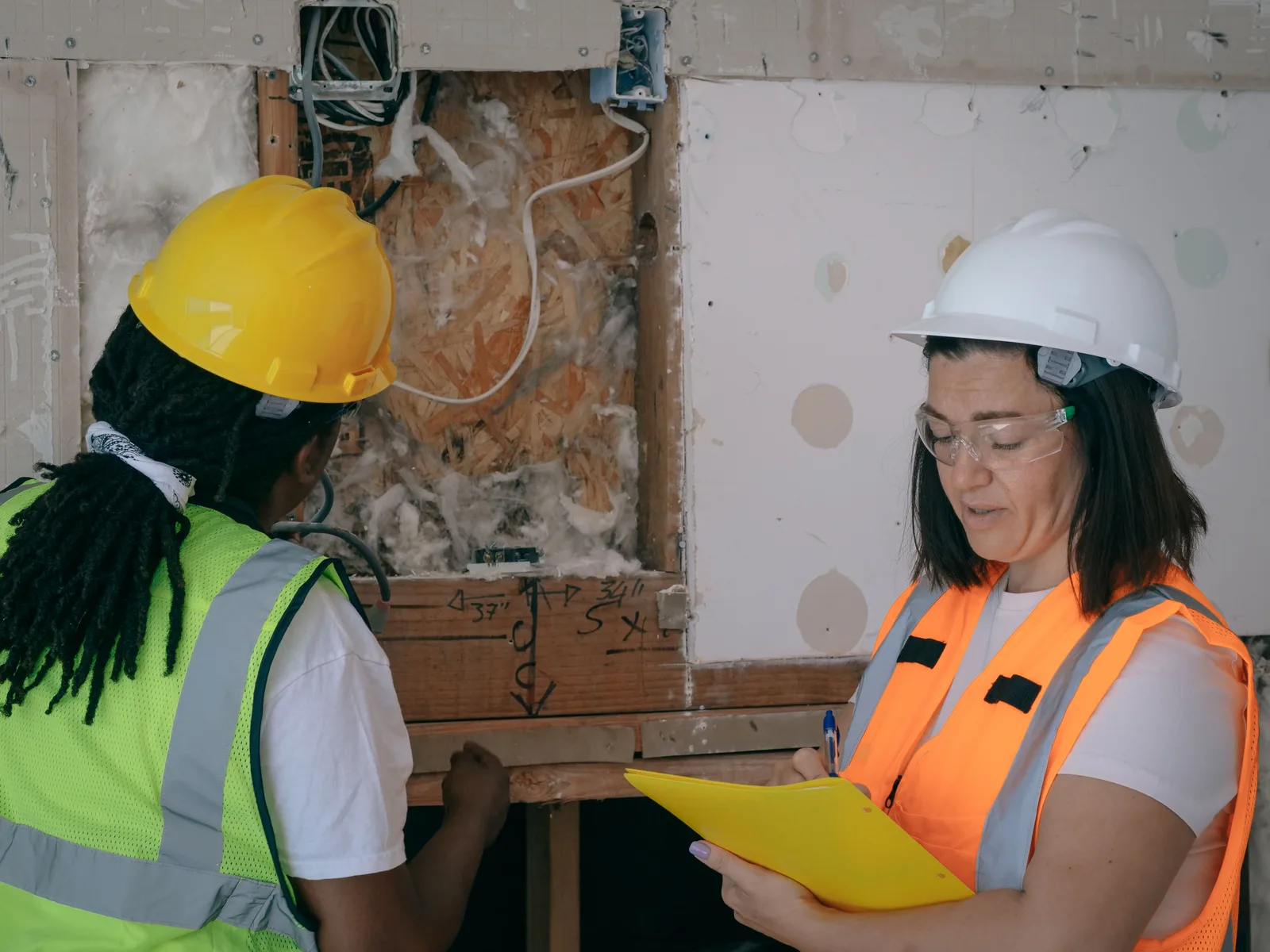
A crew marking up scope on an open wall mid-build. California prevailing wage jobs run payroll on a faster clock than the GC draw that eventually covers it.
The California Contractor Draw Cycle
A signed contract does not pay the crew. California contractors front materials, labor, and mobilization costs while a GC works through its own draw schedule, and prevailing wage jobs add a payroll obligation on a faster clock than the draw itself. The gap between doing the work and getting paid for it is what MCA is built to bridge, not a way to fund a business that is not otherwise winning signed work.
Honest Guidance
When California Contractor MCA Is (and Isn't) the Right Move
MCA is a bridge for a specific, time-boxed gap between a signed contract and the draw that pays for it. It is not the cheapest way to fund long-term growth or to cover a business that is not winning enough signed work on its own. The comparison below is meant to help you decide before you apply, not after.
Rate Benchmarks: 2026
A framing crew working a San Diego or Inland Empire project still needs payroll covered while the draw works its way through approval.
California Contractor MCA Rate Benchmarks
Monthly Deposits
Typical Advance
Factor Rate
Holdback
Est. Term
$15,000/mo
$20,000-$22,500
1.28-1.45
12-15%
8-14 months
$40,000/mo
$50,000-$65,000
1.22-1.38
10-14%
10-16 months
$80,000/mo
$90,000-$130,000
1.19-1.35
9-13%
10-18 months
$150,000/mo
$160,000-$230,000
1.17-1.30
8-12%
12-20 months
$300,000+/mo
$300,000-$500,000
1.15-1.25
7-10%
14-24 months
Illustrative industry-typical ranges, not a quote for any specific applicant. Rates vary by FICO, industry, deposit consistency, and the funding provider that ultimately reviews your file. CCFPL disclosure provides exact figures before signing.
Qualification
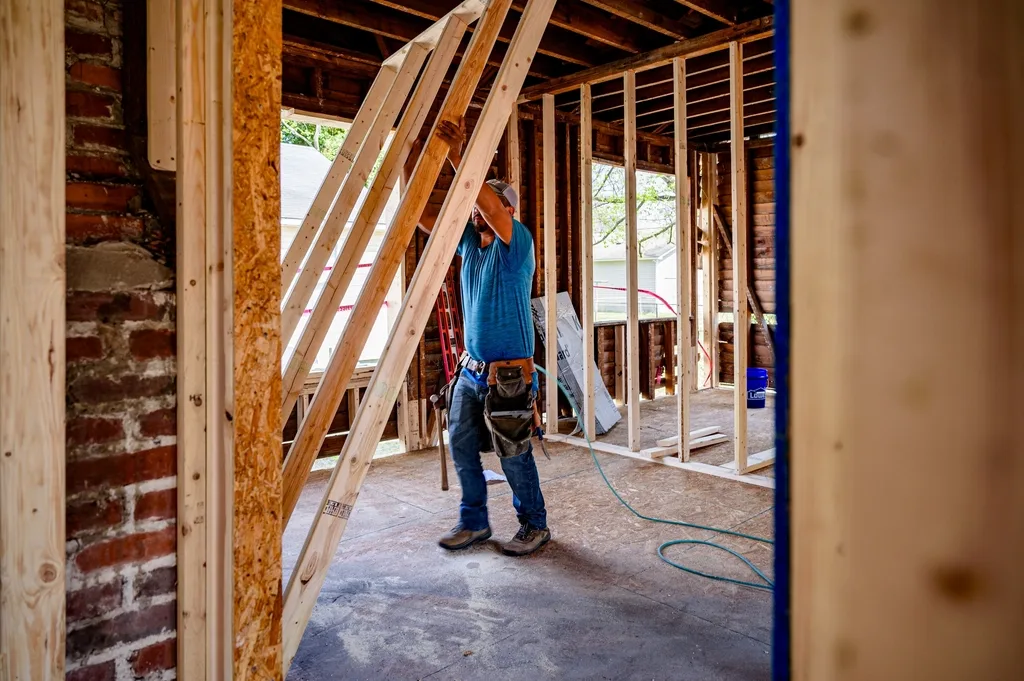
Trade work in progress on a California commercial build. Materials and crew are already committed well before the draw schedule catches up.
California Contractor MCA Requirements
Minimum Monthly Deposits
$4,000-$6,000+/month
Minimum FICO Score
500 (soft pull to start)
Time in Business
6+ months operating
Documents Required
6 consecutive months business bank statements + application
Advance Range
$20,000-$500,000
CA CCFPL Disclosure
Provided on every CA offer before signing
FAQ
California Contractor Funding: FAQ
Does California require MCA disclosure for contractors?
Yes. California's SB 1235 CCFPL (effective January 1, 2022) requires providers of commercial financing under $500,000 to disclose total funded amount, total repayment amount, finance charge, APR equivalent, term, and prepayment policy. T.A.G. provides CCFPL-compliant disclosure on every CA offer before signing. If you receive a California MCA offer without this disclosure, request it in writing.
Can a California contractor get MCA between draw cycles?
Yes. Draw cycle gaps are the most common reason California contractors use MCA. When a GC issues draws on the 1st and 15th but payroll runs on the 10th and 25th, MCA bridges the gap. A California contractor averaging $60,000 a month in deposits may qualify for $45,000-$90,000.
What California contractor license types qualify for MCA?
All CSLB-licensed contractor types qualify: General Building (B), General Engineering (A), and all specialty licenses (C-10 Electrical, C-20 HVAC, C-36 Plumbing, C-39 Roofing, C-33 Painting, and all others). MCA approval is based on bank deposit volume, not license category.
Can a California contractor use MCA for prevailing wage payroll?
Yes. Many California public works contractors use MCA to bridge payroll between prevailing wage billing cycles. California public works projects often have longer billing cycles than private work. MCA can fund prevailing wage payroll while waiting for the public agency billing cycle.
Does California AB5 affect contractor MCA eligibility?
No. AB5 affects contractor worker classification. It does not affect MCA eligibility. MCA approval is based on the business's bank deposit volume, not how workers are classified.
Can a California contractor use MCA for materials on a new commercial project?
Yes. Materials pre-purchase is one of the most common uses for contractor MCA. In California's high-demand construction market, material costs are among the highest in the nation. MCA can fund material purchases at contract start before the first draw is issued.
How fast can a California contractor get funded?
Most California contractor applications receive a decision after submitting bank statements. Funding timing after signing is set by the funding provider. Los Angeles contractors who submit a complete file early in the day get it in front of the funding provider sooner. The provider sets decision and funding timing.
How much can a California contractor get with an MCA?
California contractor MCA amounts typically range from $20,000 to $500,000 depending on monthly deposits. An LA commercial contractor averaging $200,000 a month in deposits may qualify for $150,000-$300,000. A Bay Area specialty contractor averaging $80,000 a month may qualify for $60,000-$120,000. A San Diego residential contractor averaging $40,000 a month may qualify for $30,000-$60,000.
What credit score does a California contractor need for MCA?
The minimum FICO for California contractor MCA approval is 500. MCA approval is primarily based on bank statement deposit volume. A California contractor with 560 FICO and $40,000 a month in consistent deposits will typically receive approval. CCFPL disclosure ensures full cost transparency before signing.
What California regions have the highest contractor MCA approval rates?
Los Angeles County contractors have the highest approval volumes due to market size. Bay Area (San Francisco, San Jose, Oakland) contractors benefit from high per-project revenue and strong deposit averages. San Diego contractors, especially those working military/defense construction, have strong consistent deposits. Sacramento and Central Valley contractors qualify on the same national criteria: deposit consistency drives approval.
Can a California contractor use MCA while waiting on a bonding or performance bond renewal?
Yes. MCA approval does not depend on your bonding status. MCA can provide the working capital you need during a bonding gap or renewal delay. However, ensure you meet bonding requirements before beginning contracted work; MCA is separate from bonding compliance.
Get Funding for Your California Contractor Business
500 FICO OK · No hard pull at application · CCFPL California disclosure provided All CSLB license types · LA, Bay Area, San Diego, Sacramento & statewide
Initial review uses a soft credit pull only. A hard credit pull typically occurs later, before final approval, and can affect your credit score by a few points.