

Los Angeles is the second-largest city in the United States and one of the most economically complex markets in the world. Entertainment, tourism, international trade, healthcare, and tech all intersect here, creating an enormous and diverse small business economy. Silver Lake, Echo Park, West Hollywood, Koreatown, Downtown, and Venice are home to some of the most vibrant independent business communities in the country, each generating strong, consistent card volume.
California's bank lending environment is among the most restrictive in the US. Most LA small businesses, even successful ones, can't access traditional commercial credit because of collateral requirements or operating history minimums. MCA evaluates six months of your actual deposits, not your credit profile. In a city where high costs demand capital solutions, MCA funds once the provider approves your file.
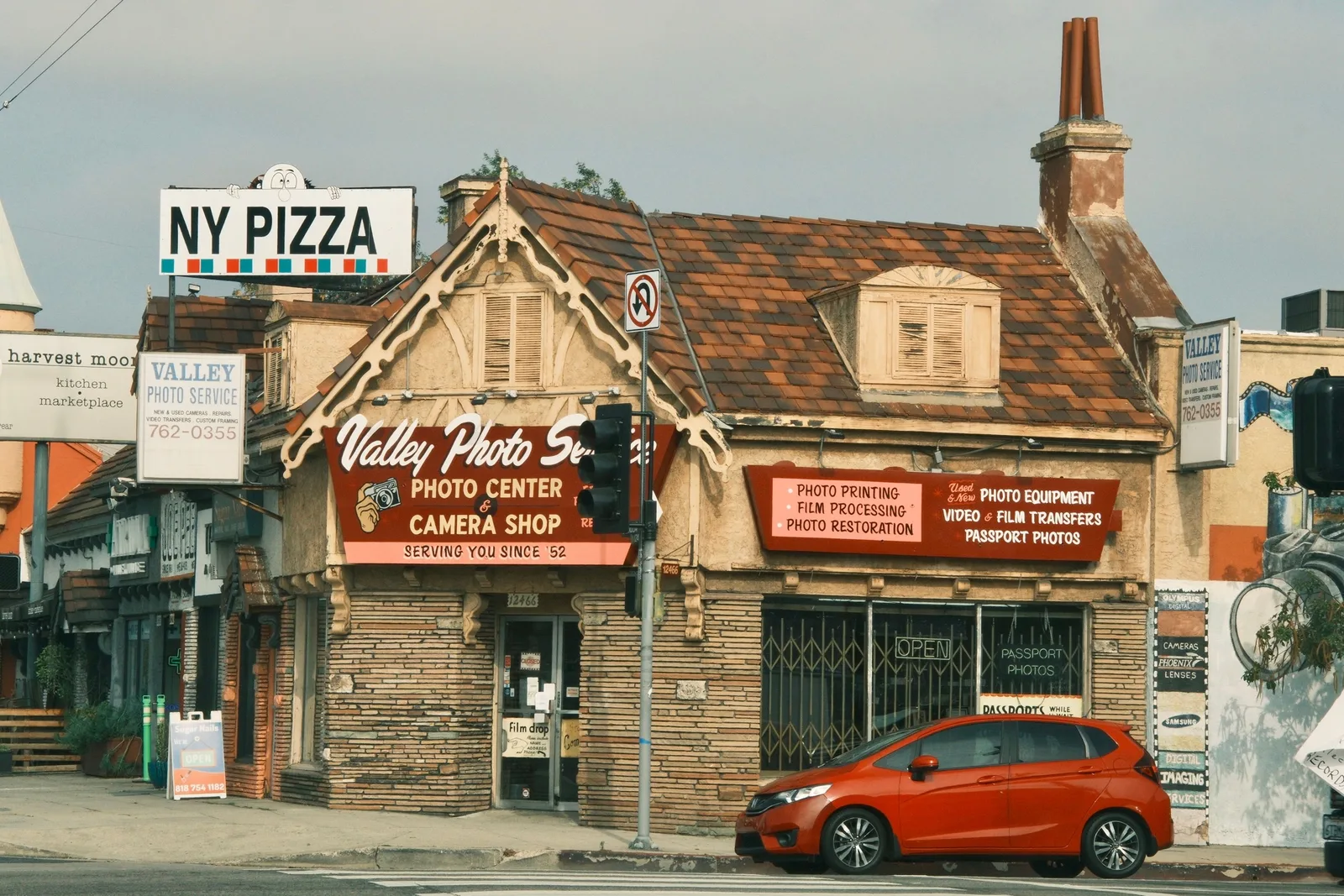
Full Greater LA served: Long Beach, Pasadena, Glendale, Santa Monica, Burbank, Inglewood, Torrance, and throughout LA County and the Inland Empire.
Apply Online (10 min)
Basic business info + 6 consecutive months bank statements. No hard credit pull at application.
Underwriting (1-3 hrs)
We review your LA business's deposit pattern and revenue, not just FICO.
Offer and Approval
Advance amount, factor rate, and remittance. No hidden fees.
Funds Deposited
Wire to your LA business bank account. The funding provider sets the timing.

- Formula
- Advance = Avg Monthly Deposits × 0.75-1.50
- Los Angeles Examples
- A West Hollywood restaurant depositing $55,000/month qualifies for $41,250-$82,500. A Burbank contractor depositing $90,000/month qualifies for $67,500-$135,000. LA's high average ticket sizes (driven by entertainment economy and tourist spending) produce among the highest absolute advance amounts in the California funding requests T.A.G. sees.
| Avg Monthly Deposits | Min Advance (0.75×) | Typical Advance (1.0×) | Max Advance (1.5×) |
|---|---|---|---|
| $15,000/month | $11,250 | $15,000 | $22,500 |
| $35,000/month | $26,250 | $35,000 | $52,500 |
| $70,000/month | $52,500 | $70,000 | $105,000 |
| $120,000/month | $90,000 | $120,000 | $180,000 |
| $250,000/month | $187,500 | $250,000 | $375,000 |
- SB 1235 (Effective 2022): APR Disclosure Required
- California requires all commercial finance providers (including merchant cash advance providers) to disclose the APR equivalent, total repayment amount, and finance charges on all commercial financing agreements. As an LA business owner, your MCA offer must include this disclosure before you sign.
- What T.A.G. Provides on Every LA Offer
- T.A.G. provides SB 1235-compliant disclosures on every California offer: total advance amount, total repayment amount, estimated APR equivalent, finance charges, and estimated payoff period. LA businesses can compare the true cost of an MCA against bank loans or SBA loans before signing.
- SB 1235 Requires Disclosure, Not Rate Caps
- MCA is a purchase of future receivables, not a loan, so California usury laws and rate caps do not apply. SB 1235 mandates transparency on cost, not a limit on rates. This means LA businesses have full cost visibility, but the market still sets rates based on underwriting risk.
For LA businesses: Always request the SB 1235 disclosure before signing any MCA. Compare the APR equivalent and total repayment across at least two offers before committing.
Can a Los Angeles small business get a merchant cash advance?
Yes. LA businesses in restaurants, contractors, entertainment services, healthcare, and retail qualify for MCA with 6+ months operating, $4,000-$6,000+/month in deposits, and 500+ FICO. LA's massive economy creates strong card volume, and funding follows the provider's own timeline after review.
What Los Angeles industries qualify for MCA?
Top LA MCA industries: restaurants (Silver Lake, West Hollywood, Echo Park), entertainment-adjacent services, contractors, healthcare (Cedars-Sinai, UCLA Health), retail, and salons and spas.
Does T.A.G. serve businesses outside LA: Long Beach, Pasadena, Glendale, Santa Monica?
Yes. The full Greater LA metro is served including Long Beach, Pasadena, Glendale, Santa Monica, Burbank, and Inglewood. Any California business meeting base qualifications can apply.
What credit score do I need for business funding in Los Angeles, CA?
The minimum FICO score for MCA funding in LA is 500. Approval is based primarily on monthly bank deposits. Bank declines, tax liens, and prior bankruptcies do not automatically disqualify you.
How fast can a Los Angeles business get funded?
LA businesses typically receive an MCA decision once your file is complete. Funding follows once you accept an offer, on the provider’s timeline. The funding provider sets the timing.
How much can a Los Angeles business qualify for with MCA?
LA businesses typically qualify for 75%-150% of average monthly deposits. A West Hollywood restaurant depositing $55,000/month can access $41,250-$82,500. A Burbank contractor at $90,000/month can access $67,500-$135,000. LA's entertainment economy and high average ticket sizes drive some of the largest absolute advance amounts in the California funding requests T.A.G. sees.
Does California SB 1235 affect my Los Angeles MCA?
Yes. California SB 1235 (effective 2022) requires all MCA providers to disclose the APR equivalent, total repayment, and finance charges on every commercial financing offer made to a California business. T.A.G. provides SB 1235-compliant disclosures on every LA offer. SB 1235 requires disclosure; it does not cap rates or restrict MCA approval. Use this disclosure to compare the true cost of your MCA offer against alternatives.
Can an LA contractor with prior bank declines qualify for MCA?
Yes. Bank declines (including from Wells Fargo, City National Bank, Pacific Western Bank, or Bank of America) do not disqualify an LA contractor from MCA. Approval is based on bank deposit history: consistent deposits of $4,000-$6,000+/month over 6+ months is the primary qualifying factor. LA contractors use MCA for materials, equipment, and payroll bridge between construction payment draws on commercial buildouts and housing renovation projects.
LA's entertainment industry runs on production cycles, not a calendar year. A studio hiatus or a slowdown between shooting seasons ripples out to caterers, equipment rental houses, wardrobe and prop vendors, and the restaurants that cluster near studio lots in Burbank, Culver City, and Hollywood. When production picks back up, that same cluster of businesses sees a real, fast demand spike that a bank statement covering a single quiet month doesn't capture.
The Port of Los Angeles and Port of Long Beach together move more container traffic than any other port complex in the country, and the run-up to the holiday retail season each fall brings a genuine surge in import volume. Trucking, warehousing, and logistics businesses tied to the ports see demand rise well before the goods ever reach a store shelf, then ease off once the holiday inventory is in place.
Fall also brings Santa Ana wind season and the elevated wildfire risk that comes with it, which can disrupt business in the hillside and canyon communities ringing the basin even when the fire itself is miles away, through smoke, road closures, or a precautionary power shutoff. None of these patterns make an LA business a worse credit risk; they're simply why deposit history across a full 6-month window tells a more honest story than any single month.
Ready to Fund Your Los Angeles Business?
Apply in 10 minutes. No hard pull at application. Review begins as soon as your file is complete.
Get My Offer MCA vs Business Loan