Yes. Texas hail season creates feast-or-famine payment cycles for roofing contractors. Insurance payments take 30-90 days. MCA bridges the gap: a Texas roofing contractor with $60,000/month in bank deposits can qualify for $45,000-$90,000, enough to fund materials and crew payroll while waiting on insurance company checks.
Texas · Roofing Contractor Funding
Texas Roofing Contractor Funding DFW, Houston, San Antonio & Statewide
Quick Answer: Texas Roofing Contractors
Texas roofing contractors qualify for MCA based on monthly bank deposits. Minimum: $4,000-$6,000+/month, 500 FICO, 6+ months operating. Advance range: $15,000-$350,000. Review begins as soon as your file is complete. Funding timing is set by the funding provider after review. Bridge capital between hail season jobs and insurance checks. No tax returns, no collateral.
DFW averages 10+ hail days per year, more than almost any other US metro. Insurance checks take 30-90 days. MCA bridges the gap so Texas roofing contractors can fund materials and crew now without waiting.
$15K-$350K
Advance range
24-48 hrs
Funding timeline
10+
DFW hail days/year avg
500
Min FICO
Use Cases
When Texas Roofing Contractors Use MCA
Insurance Check Bridge
Insurance companies pay 30-90 days after job completion. MCA bridges payroll and materials costs while waiting on the check.
Common: $30K-$120K
Materials Pre-Purchase
After a DFW hail event, shingles can sell out regionally. MCA funds immediate materials purchase at current prices before supply tightens.
Common: $20K-$80K
Storm Surge Crew Expansion
A major hail event creates 60-90 days of backlog overnight. MCA funds crew hiring, subcontractors, and equipment rental to capture peak demand.
Common: $25K-$100K
Slow Season Bridge
Texas roofing has slow months (Nov-Feb). MCA taken in peak season maintains payroll and overhead during the winter slow period.
Common: $15K-$60K
Equipment & Vehicle
Ladder racks, safety equipment, dumpster rental, and vehicle wrap cost capital that MCA can fund while waiting on the next insurance check.
Common: $10K-$40K
Commercial Roofing Mobilization
Commercial roofing jobs require mobilization (scaffolding, lift rental, materials) before any payment is issued. MCA funds the mobilization.
Common: $40K-$200K
Texas Markets
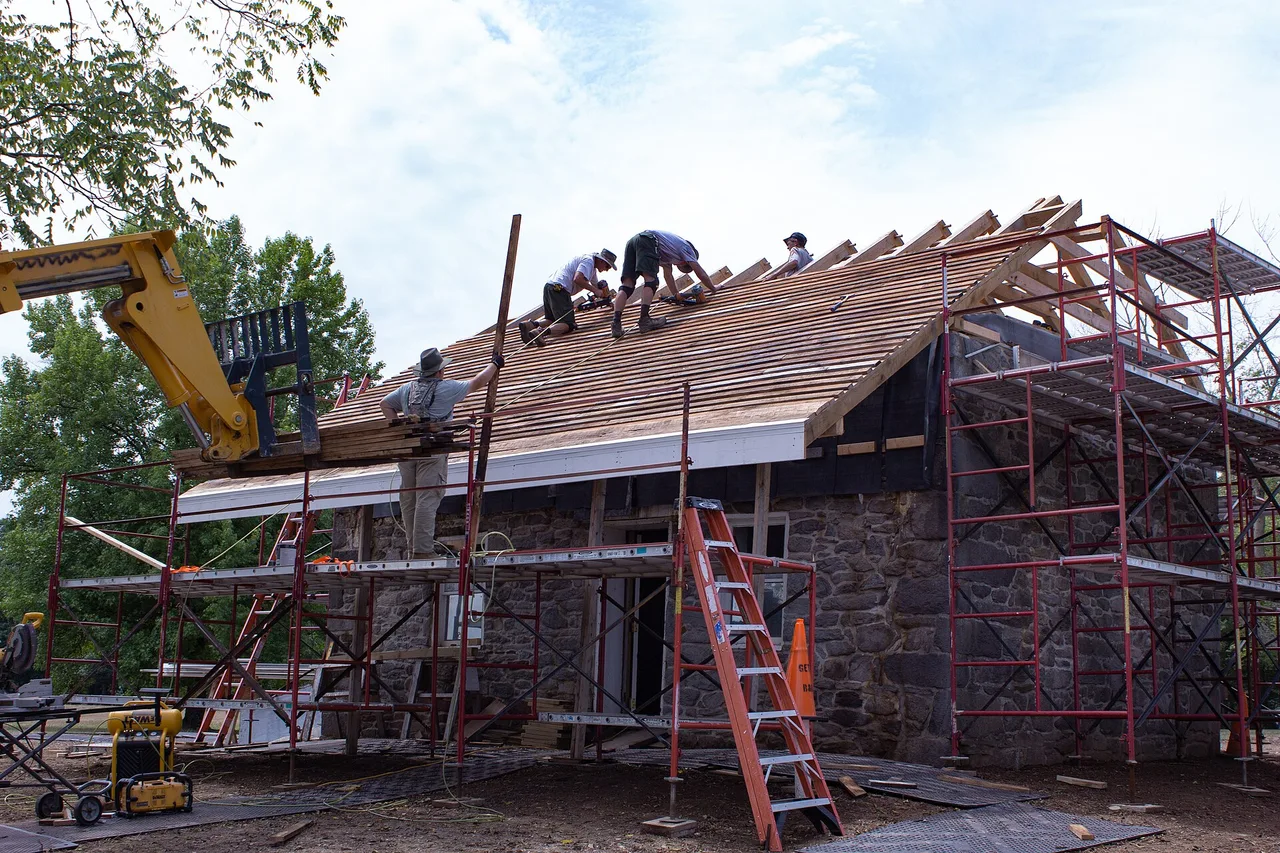
A reroof is a mobilisation cost: crew, lift, scaffold and materials all land before the customer pays.
Roofing Funding by Texas Region
Dallas-Fort Worth
Highest hail frequency in the US. DFW averages 10+ hail days per year. North Texas (Plano, Frisco, McKinney, Allen) is high-volume residential roofing territory.
Typical: $30K-$350K
Houston
Hurricane and tropical storm damage creates large commercial roofing demand. The Houston Energy Corridor and medical center have extensive flat/commercial roofing.
Typical: $25K-$250K
San Antonio
Strong residential roofing market. Military base adjacency creates consistent federal housing roofing demand. Spring hail season drives annual surge work.
Typical: $15K-$150K
Austin
Fast-growing residential and commercial construction creates constant new roofing demand. Cedar Park, Round Rock, and Georgetown suburbs are high-volume new construction.
Typical: $15K-$120K
West Texas (Lubbock / Midland / Amarillo)
Tornado alley and high-wind exposure creates consistent storm damage roofing demand. Less competitive than DFW: roofers in West Texas often capture larger per-job volumes.
Typical: $10K-$100K
East Texas / Tyler / Beaumont
Pine Belt region. High humidity and UV exposure shortens roof lifespans, creating steady replacement demand. Hurricane Alicia/Ike/Harvey legacy repairs still generate work.
Typical: $10K-$80K
Qualification
Texas Roofing Contractor MCA Requirements
Minimum Monthly Deposits
$4,000-$6,000+/month
Minimum FICO Score
500 (soft pull to start)
Time in Business
6+ months operating
Documents Required
6 consecutive months bank statements + application
Advance Range
$15,000-$350,000
TX Disclosure
Full disclosure provided before signing
FAQ
Texas Roofing Contractor Funding: FAQ
Can a Texas roofing contractor get MCA between hail storm jobs?
Yes. Texas hail season creates feast-or-famine payment cycles. Insurance checks take 30-90 days. A Texas roofing contractor with $60,000/month in deposits can qualify for $45,000-$90,000 to fund materials and crew while waiting on insurance company checks.
Can a Texas roofing contractor use MCA to purchase materials before an insurance check arrives?
Yes. Materials pre-purchase is the most common MCA use for Texas roofers. After a DFW hail event, shingles can sell out regionally and prices spike. MCA allows contractors to purchase materials immediately at current prices rather than waiting 30-90 days for insurance checks.
Can a Texas roofing contractor with seasonal revenue get MCA?
Yes. Texas roofers with seasonal patterns qualify for MCA. Underwriting looks at the most recent 6 consecutive months of bank statements. A contractor in peak hail season (April-July) with strong deposits qualifies on those deposits. Repayment automatically slows during slower months as a percentage of daily deposits.
Can a Texas roofing contractor use MCA to hire crews for a storm surge?
Yes. When a major hail event hits DFW or Houston, roofing contractors need to expand crews quickly. MCA can fund crew hiring, subcontractor payments, equipment rentals, and materials, letting Texas roofing contractors capture storm surge work before competitors.
How much can a Texas roofing contractor get with MCA?
Texas roofing contractor MCA amounts range from $15,000 to $350,000. A DFW contractor averaging $120,000/month after hail season may qualify for $90,000-$180,000. A Houston contractor averaging $60,000/month may qualify for $45,000-$90,000. A San Antonio contractor averaging $30,000/month may qualify for $22,500-$45,000.
How fast can a Texas roofing contractor get funded?
Most Texas roofing applications receive a decision once your file is complete. DFW and Houston contractors who submit a complete file early in the day get it in front of the funding provider sooner. The provider sets decision and funding timing.
What Texas markets have the highest roofing MCA approval rates?
DFW (Dallas-Fort Worth) has the highest roofing MCA approval volumes due to frequent hail events: DFW averages 10+ hail days per year, more than almost any other US metro. Houston contractors benefit from hurricane season surge work. San Antonio and Austin roofing contractors have consistent residential and commercial pipelines. West Texas (Midland/Odessa/Lubbock/Amarillo) sees tornado and high wind damage that creates sporadic but high-volume roofing demand.
Does Texas require MCA disclosure for roofing contractors?
Yes. Texas HB 700, effective September 1, 2025, requires finance charge and total repayment disclosure (not APR) for financing under $1,000,000, with OCCC registration required by December 31, 2026. T.A.G. Business Funding discloses factor rate, total repayment amount, holdback percentage, and estimated term on every Texas offer before signing.
Cash Flow Pattern
Texas roofers buy materials for the next job while the last one is still in receivables, which is where the gap opens.
The Texas Roofing Cash Flow Cycle
Roofing demand in Texas does not arrive evenly across the year. Storm season creates the work; the insurance claim cycle decides when the check actually clears. The gap in between is what MCA is built to bridge, not a way to fund a business that is not otherwise generating jobs.
Honest Guidance
When Texas Roofing MCA Is (and Isn't) the Right Move
MCA is a bridge for a specific, time-boxed gap between signed work and the check that pays for it. It is not the cheapest way to fund long-term growth or to cover a business that is not generating enough signed jobs on its own. The comparison below is meant to help you decide before you apply, not after.
500 FICO OK · No hard pull at application · Bridge insurance payment gaps DFW, Houston, San Antonio, Austin & all of Texas · Review begins as soon as your file is complete
Initial review uses a soft credit pull only. A hard credit pull typically occurs later, before final approval, and can affect your credit score by a few points.