Quick Answer

Yes. Hurricane Helene (September 2024) caused catastrophic damage to Western North Carolina. Asheville, Boone, Morganton, and the entire WNC region experienced significant roof damage. FEMA and insurance claims for that event are still processing in 2025 and 2026.

North Carolina  ·  Roofing Contractor Funding

North Carolina Roofing Contractor Funding
Charlotte, Raleigh, Asheville & Statewide

Quick Answer: NC Roofing Contractors

North Carolina roofing contractors qualify for MCA based on monthly bank deposits. Minimum: $4,000-$6,000+/month, 500 FICO, 6+ months operating. Advance range: $15,000-$275,000. Review begins as soon as your file is complete. Funding timing is set by the funding provider after review. Hurricane Helene WNC damage work, Charlotte suburban hail damage, and coastal hurricane risk all qualify. No tax returns, no collateral.

Charlotte's suburban counties are among the fastest-growing residential roofing markets in the Southeast. Hurricane Helene (September 2024) left WNC roofing contractors with massive backlogs and FEMA/insurance timelines of 120-365+ days. MCA bridges the materials-and-crew gap across both markets.

$15K-$275K
Advance range
120-365+ days
Helene FEMA/insurance wait
24-48 hrs
Funding timeline
500
Min FICO
Hurricane Helene WNC Bridge Capital: North Carolina roofing contractors working on Hurricane Helene (September 2024) damage in Asheville, Boone, Black Mountain, and surrounding WNC counties face FEMA reimbursements and insurance claims with 120-365+ day timelines. MCA advances based on trailing deposits allow WNC roofers to fund materials and crew immediately rather than waiting on federal and insurance processes.

Roofing Funding by NC City

Charlotte & Suburbs (Mecklenburg / Union / Cabarrus)
Charlotte is the fastest-growing major metro in the Southeast. Rapid housing construction in Huntersville, Cornelius, Concord, Mooresville, and Waxhaw creates consistent new roofing demand. Hail and wind events in summer months generate significant storm damage insurance work.
Typical: $30K-$275K
Raleigh / Durham / Research Triangle
Research Triangle's tech campus construction (Apple, Google, Amazon) drives commercial roofing. Cary, Apex, Holly Springs, and Fuquay-Varina residential roofing from rapid suburban growth. Wake County and Durham County are among the fastest-growing in the US.
Typical: $25K-$200K
Asheville & Western NC: Hurricane Helene Bridge
Hurricane Helene (September 2024) caused catastrophic damage to Western NC roofing stock. Asheville, Boone, Morganton, Marion, and Black Mountain roofing contractors are working through massive backlogs with FEMA/insurance timelines of 120-365+ days. MCA is purpose-built for this gap.
Typical: $20K-$150K
Greensboro / Winston-Salem / High Point
Piedmont Triad's manufacturing and residential roofing market. Consistent storm damage repair work. Wake Forest Baptist Medical Center and Moses Cone commercial campus create large commercial roofing demand.
Typical: $15K-$120K
Wilmington & Outer Banks: Coastal
Annual hurricane and tropical storm risk creates consistent post-storm roofing demand. Outer Banks vacation home roofing and Wilmington's growing retirement and residential market. Insurance claims from Atlantic storms can take 60-180 days.
Typical: $20K-$150K
Fayetteville / Jacksonville / Eastern NC
Fort Liberty (formerly Fort Bragg) and Camp Lejeune military base housing creates consistent roofing demand. Eastern NC is within the primary Atlantic hurricane corridor. Qualify on the same national MCA criteria: $4,000-$6,000+/month minimum deposits.
Typical: $15K-$100K
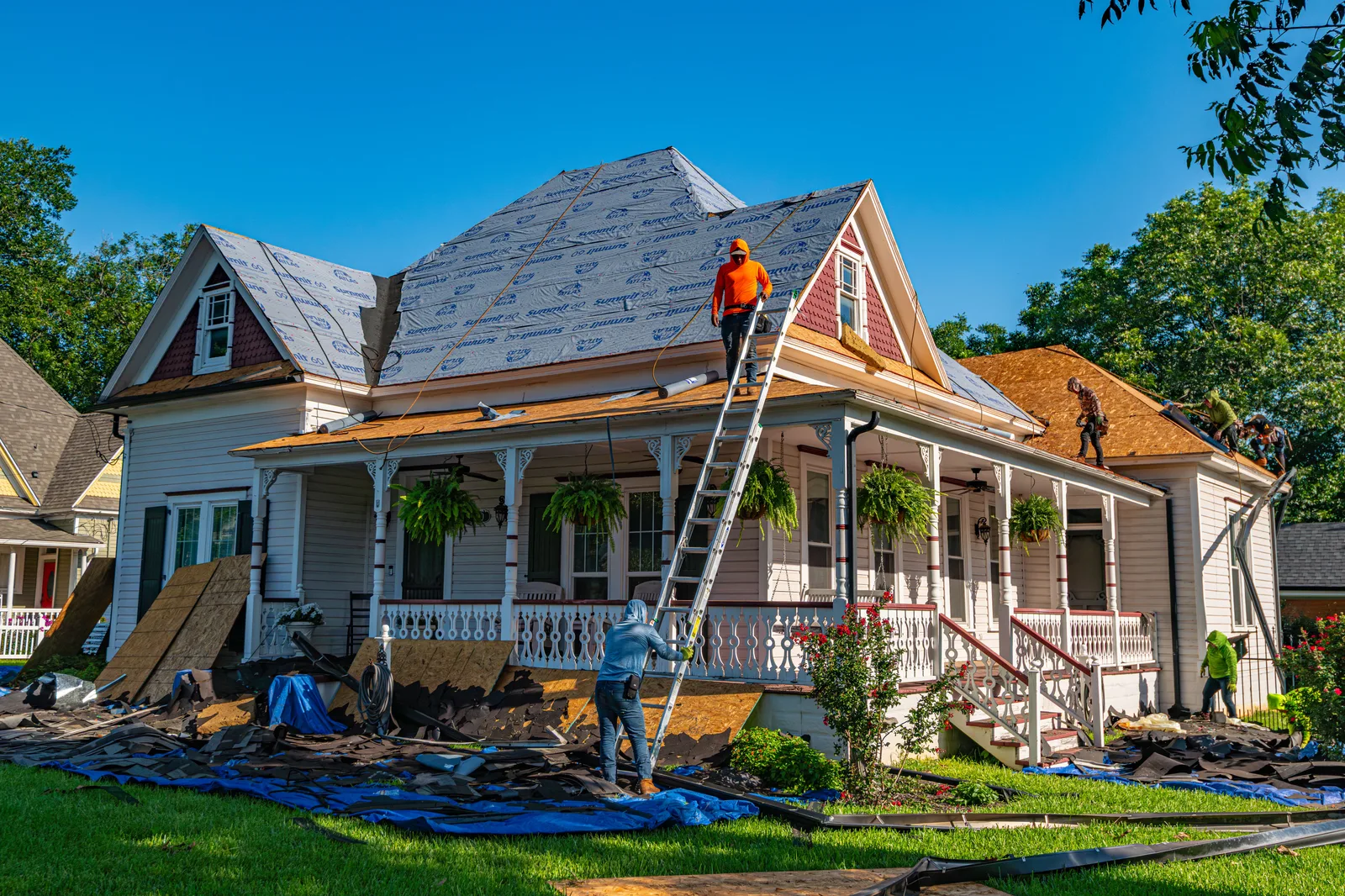
Roofing crew re-roofing an older home
A signed job is not a paid job yet. Six months of business bank statements show whether deposits are actually landing on schedule.

NC Roofing Contractor MCA Requirements

Minimum Monthly Deposits
$4,000-$6,000+/month
Minimum FICO Score
500 (soft pull to start)
Time in Business
6+ months operating
Documents Required
6 consecutive months bank statements + application
Advance Range
$15,000-$275,000
Disclosure
Full cost disclosure before signing

NC Roofing Contractor Funding: FAQ

Can a NC roofing contractor get MCA for Hurricane Helene WNC damage work?
Yes. Hurricane Helene (September 2024) caused catastrophic damage to Western NC. FEMA and insurance claims for that event continue processing in 2025-2026 with 120-365+ day timelines. NC roofing contractors doing WNC work can use MCA to fund materials and crew immediately and repay as claims settle.
Can a Charlotte roofing contractor use MCA for hail damage storm season?
Yes. Charlotte's northern suburbs (Huntersville, Mooresville, Cornelius, Concord) experience consistent hail and wind events that generate storm damage insurance claims. A Charlotte area roofer with 15 signed jobs pending materials can use MCA to purchase shingles upfront and repay when insurance claims are paid.
How much can a NC roofing contractor get with MCA?
NC roofing MCA amounts range from $15,000 to $275,000. A Charlotte suburban contractor averaging $80,000/month may qualify for $60,000-$120,000. A Raleigh contractor averaging $55,000/month may qualify for $41,250-$82,500. An Asheville WNC contractor averaging $35,000/month may qualify for $26,250-$52,500.
Can a Wilmington roofing contractor get MCA for coastal hurricane work?
Yes. Wilmington and Outer Banks roofing contractors facing 60-180 day insurance timelines after Atlantic hurricanes can use MCA to bridge materials and crew costs. Apply based on trailing 6-month deposits from before and during storm season for the strongest advance amount.
How fast can a NC roofing contractor get funded?
Most NC roofing applications receive a decision once your file is complete. Charlotte and Raleigh contractors who submit a complete file early in the day get it in front of the funding provider sooner. The provider sets decision and funding timing.
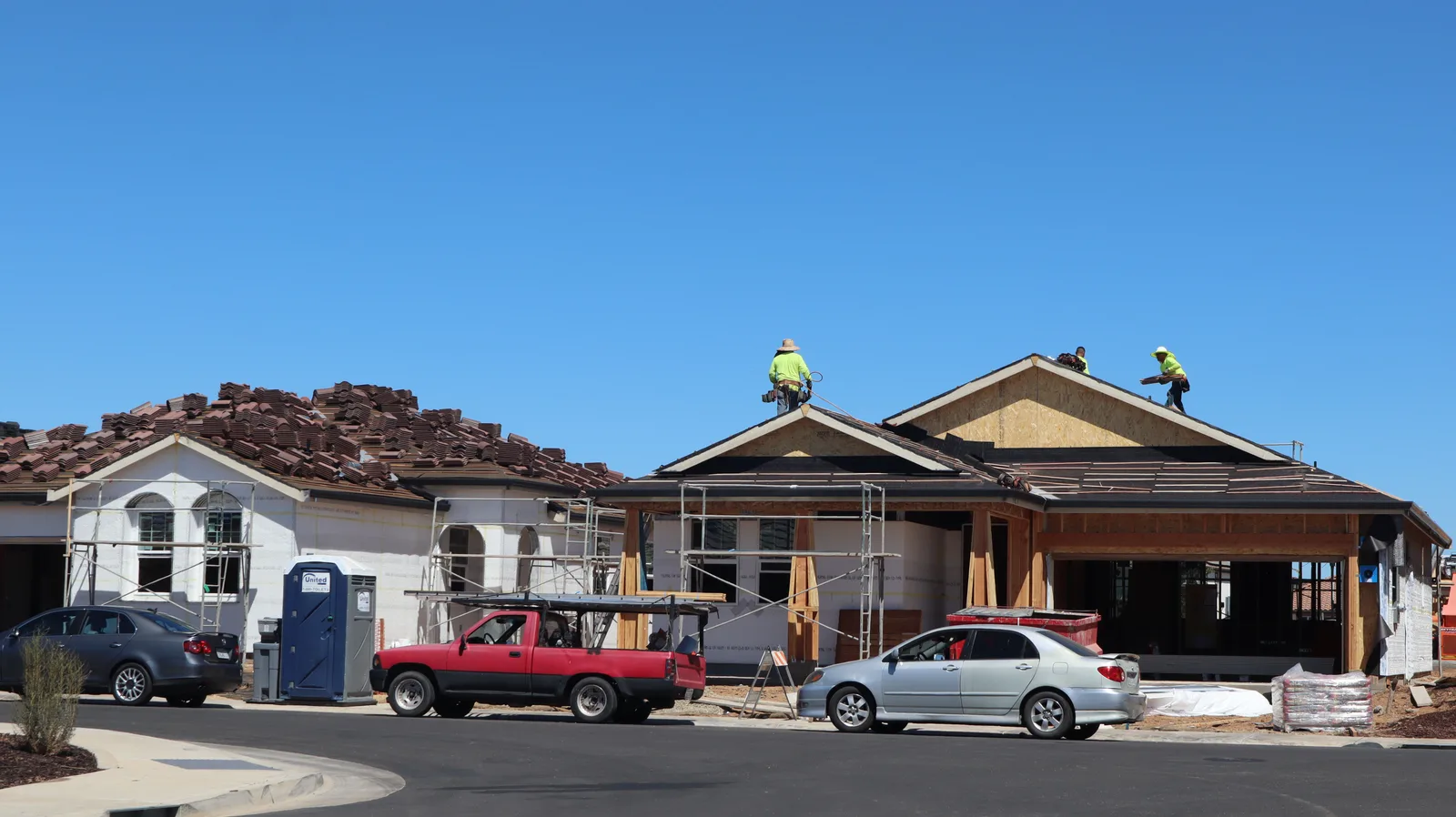
Roofing materials delivered to a new home construction site
Material costs are committed before the first shingle goes down, well before an insurance carrier or GC pays out.

The North Carolina Roofing Cash Flow Cycle

Roofing demand in North Carolina does not arrive evenly across the year. Storm season creates the work; the insurance claim cycle decides when the check actually clears. The gap in between is what MCA is built to bridge, not a way to fund a business that is not otherwise generating jobs.

North Carolina roofing demand and insurance payment timeline Illustrative month-by-month pattern for North Carolina roofing contractors: Hurricane season, including inland remnants like Helene (Jun-Sep), followed by a period where insurance and supplement checks are still being collected from jobs signed during peak season. Individual years and specific storms vary. JanFebMarAprMayJunJulAugSepOctNovDec Hurricane season, incl. inland remnants like Helene (Jun-Sep) Insurance claims still processing (Oct-Nov) Quiet season Building toward peak season

When North Carolina Roofing MCA Is (and Isn't) the Right Move

MCA is a bridge for a specific, time-boxed gap between signed work and the check that pays for it. It is not the cheapest way to fund long-term growth or to cover a business that is not generating enough signed jobs on its own. The comparison below is meant to help you decide before you apply, not after.

When roofing MCA fits vs. when to wait, North Carolina A two-column comparison for North Carolina roofing contractors: situations where a merchant cash advance solves a real, time-boxed cash gap, versus situations where a contractor should slow down, get a signed job first, or compare a lower-cost option before applying. MCA fits right now when: A Hurricane Helene-type inland damage claim is signed and insurance-approved, with the check still weeks out. Coastal nor'easter or hurricane remnant damage in Wilmington has produced a signed backlog of jobs. A Charlotte-suburb storm claim is approved and materials need to be purchased before the payment lands. Wait or compare options first when: You only have a bid or estimate, not a signed, insurance-approved job. Deposits are down for reasons unrelated to a specific timing gap, and MCA would just cover a shortfall. You have time to compare a bank line of credit or SBA option before committing to a factor rate.

Related Pages

Get Funding for Your NC Roofing Business

500 FICO OK  ·  No hard pull at application  ·  Full cost disclosure before signing
Charlotte, Raleigh, Asheville, Wilmington & all of NC  ·  Review begins as soon as your file is complete

More North Carolina Roofing Funding FAQ

What North Carolina roofing markets have the strongest MCA approval rates?
Charlotte's fastest-growing suburban counties, Mecklenburg, Union, Cabarrus, and Iredell, are the highest-volume roofing markets in NC. Significant hail and wind storm activity combined with rapid new construction create year-round demand. Raleigh/Durham Research Triangle's tech campus construction (Apple, Google) and new residential development drive strong roofing demand. The coastal markets (Wilmington, Outer Banks, Jacksonville) qualify based on hurricane and tropical storm damage.
Can a North Carolina roofing contractor use MCA to fund Hurricane Helene WNC rebuilding?
Yes. This is a critical use case for WNC roofing contractors. Hurricane Helene recovery in Asheville, Boone, Black Mountain, and Swannanoa involves complex insurance claims and FEMA reimbursements that take 120-365+ days. MCA allows WNC roofing contractors to purchase materials and pay crews immediately and repay as claims settle.
Can a NC coastal roofing contractor get MCA for hurricane season prep?
Yes. Wilmington, Jacksonville, and Outer Banks roofing contractors face annual hurricane season (June-November) risk and opportunity. Pre-season MCA can fund materials stockpiling and crew positioning. Post-storm MCA bridges the gap between completing work and receiving insurance payments.
What credit score does a North Carolina roofing contractor need for MCA?
The minimum FICO for NC roofing contractor MCA approval is 500. MCA approval is primarily based on bank statement deposit volume, not credit score. A NC roofing contractor with 540 FICO and $25,000/month in consistent deposits will typically receive approval.

Initial review uses a soft credit pull only. A hard credit pull typically occurs later, before final approval, and can affect your credit score by a few points.