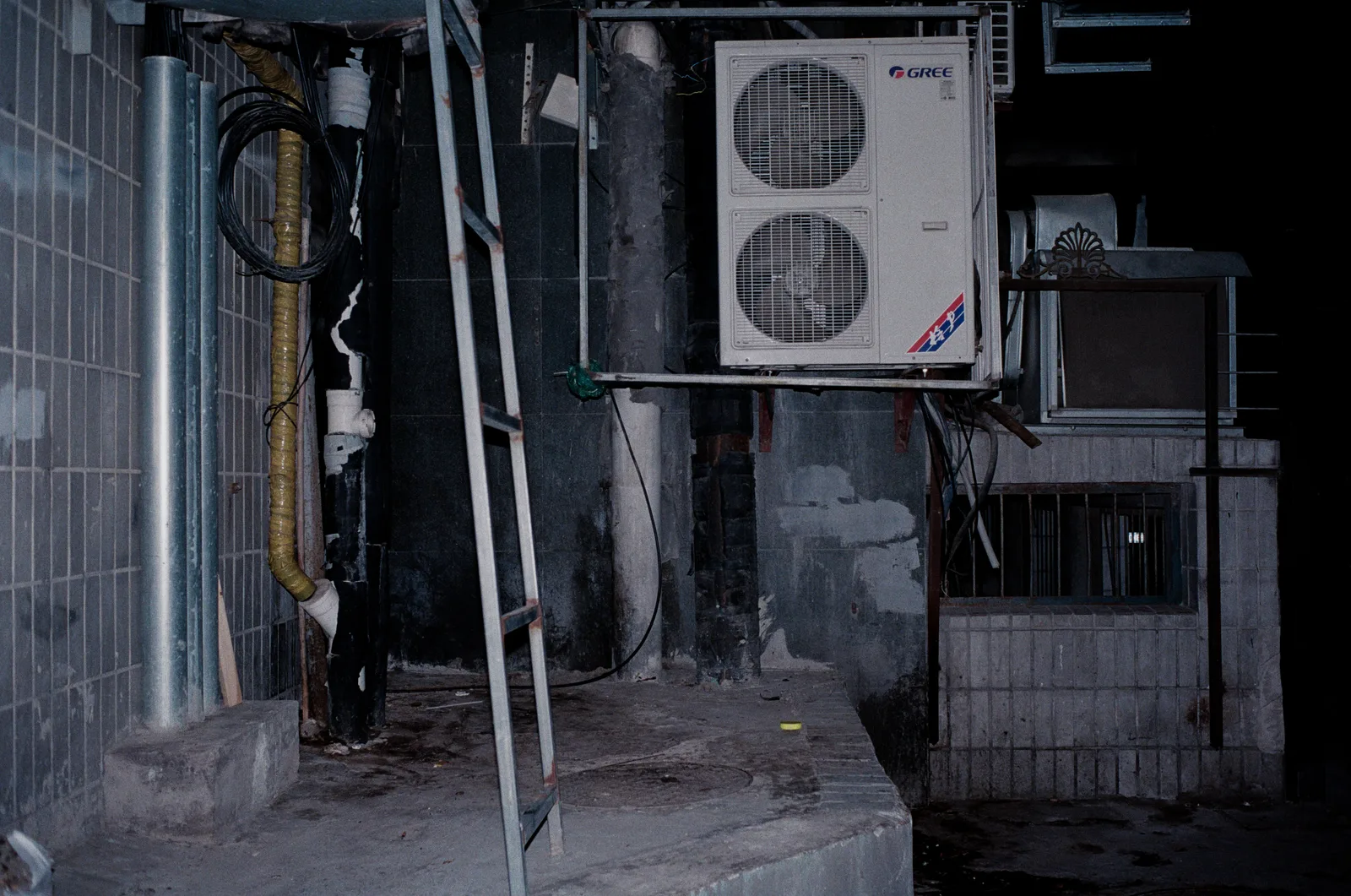
Yes. New York HVAC contractors serving commercial buildings (Manhattan office towers, Brooklyn residential high-rises, Long Island commercial real estate) qualify for MCA based on monthly deposit volume. A NYC commercial HVAC contractor averaging $120,000/month in deposits may qualify for $90,000-$180,000.
New York · HVAC Contractor Funding
New York HVAC Contractor Funding NYC, Long Island, Westchester & Upstate
Quick Answer: New York HVAC Contractors
New York HVAC contractors qualify for MCA based on monthly bank deposits. Minimum: $4,000-$6,000+/month, 500 FICO, 6+ months operating. Advance range: $15,000-$350,000. Review begins as soon as your file is complete. Funding timing is set by the funding provider after review. NYC commercial HVAC is the largest market in the US. NY CFDL disclosure provided on all offers before signing. No tax returns, no collateral.
New York City is the largest commercial HVAC market in the United States. Manhattan office towers, Brooklyn residential high-rises, and Long Island commercial real estate all generate large-ticket HVAC maintenance and replacement contracts. NYC HVAC contractors can qualify for the highest advance amounts in the MCA industry.
$15K-$350K
Advance range
#1 US
NYC commercial HVAC market
24-48 hrs
Funding timeline
500
Min FICO
New York Commercial Finance Disclosure Law (CFDL): New York CFDL (effective August 1, 2023) requires disclosure of total payment obligation, factor rate, holdback percentage, and APR-equivalent before signing any commercial finance offer under $2.5 million. T.A.G. Business Funding provides full NY CFDL-compliant disclosure on all New York MCA offers before signing.
New York Markets
HVAC Funding by New York Market
Manhattan: Commercial HVAC
Manhattan office towers, luxury residential buildings (Park Ave, Fifth Ave, Hudson Yards), and hotels require constant commercial HVAC maintenance and major replacement projects. A single Manhattan high-rise HVAC replacement contract can be $200,000-$2M+. MCA funds mobilization, materials, and crew for commercial HVAC contractors before draws are received.
Typical: $50K-$350K
Brooklyn / Queens
Brooklyn's rapid residential growth (Williamsburg, Bushwick, Crown Heights, Park Slope) drives HVAC installation and replacement demand. Long Island City (LIC) commercial development adds commercial HVAC work. Older housing stock throughout Brooklyn and Queens drives significant boiler and furnace replacement volume.
Typical: $25K-$200K
Long Island: Nassau & Suffolk
Long Island's large residential housing stock creates consistent HVAC replacement demand year-round. Nassau County's older housing stock drives boiler replacement in winter and AC replacement in summer. Suffolk County's growing commercial real estate adds commercial HVAC maintenance accounts.
Typical: $20K-$175K
Westchester / Rockland / Orange
Westchester County's high-income residential market (Scarsdale, Greenwich border towns, White Plains) drives premium HVAC replacement demand. Westchester Medical Center and regional hospital HVAC maintenance contracts. Rockland and Orange County residential markets qualify on the same criteria.
Typical: $20K-$150K
Buffalo / Rochester / Syracuse
Upstate NY winters are severe. Buffalo averages 21°F in January with lake effect snow. Significant heating emergency demand in winter. CHIPS Act semiconductor fab construction (GlobalFoundries Fab 8 in Malta, proposed Micron near Syracuse) adds commercial HVAC demand for new clean-room construction.
Typical: $15K-$120K
Bronx / Staten Island
Bronx residential HVAC market including public housing HVAC subcontracts. Staten Island residential and commercial HVAC. Both boroughs have significant older housing stock with consistent boiler and furnace replacement demand. Qualify on the same commercial criteria as the broader NY market.
Typical: $15K-$120K
Qualification
The December through February boiler and furnace season is the heaviest stretch of the year for most New York contractors, upstate and in the city alike.
New York HVAC Contractor MCA Requirements
Minimum Monthly Deposits
$4,000-$6,000+/month
Minimum FICO Score
500 (soft pull to start)
Time in Business
6+ months operating
Documents Required
6 consecutive months bank statements + application
Advance Range
$15,000-$350,000
NY CFDL Disclosure
Provided on all NY offers before signing
FAQ
New York HVAC Contractor Funding: FAQ
Can a NYC commercial HVAC contractor use MCA to mobilize on a high-rise project?
Yes. NYC commercial HVAC contractors are often awarded large building contracts with monthly draw schedules, but mobilization costs (materials, crew, equipment) come before the first draw. MCA bridges the mobilization gap once the provider approves your file. NYC commercial HVAC MCA advances up to $350,000 are available based on trailing monthly deposit volume.
Can a Long Island HVAC contractor use MCA to pre-stock boilers before winter?
Yes. A Long Island HVAC contractor who needs to pre-stock residential boilers (typically $4,000-$12,000 per unit) or furnaces before heating season can use MCA to fund inventory purchases once approved. Boiler units typically turn over within 2-4 weeks of heating season demand peaking.
How much can a New York HVAC contractor get with MCA?
NY HVAC MCA amounts range from $15,000 to $350,000. A NYC commercial contractor averaging $120,000/month may qualify for $90,000-$180,000. A Long Island contractor averaging $65,000/month may qualify for $48,750-$97,500. A Westchester contractor averaging $45,000/month may qualify for $33,750-$67,500.
What NY CFDL disclosure is required on New York MCA offers?
NY CFDL (effective August 1, 2023) requires disclosure of total payment obligation, factor rate, holdback percentage, and APR-equivalent before signing. T.A.G. provides full CFDL-compliant disclosure on all NY MCA offers before any commitment is required.
How fast can a New York HVAC contractor get funded?
Most NY HVAC applications receive a decision once your file is complete. NYC contractors who submit a complete file early in the day get it in front of the funding provider sooner. The provider sets decision and funding timing.
Cash Flow Pattern
The New York HVAC Demand Cycle
HVAC demand in New York does not arrive evenly across the year. Equipment and refrigerant need to be in stock before the season hits, not after. The gap between pre-season prep and peak-season revenue is what MCA is built to bridge, not a way to fund a business that is not otherwise generating signed jobs.
Honest Guidance
In NYC and Westchester the access and rigging cost of a retrofit is often larger than the equipment itself, which changes what an advance is really covering.
When New York HVAC MCA Is (and Isn't) the Right Move
MCA is a bridge for a specific, time-boxed gap between a real, signed job or a genuine seasonal prep window and the cash to act on it now. It is not the cheapest way to fund long-term growth or to cover a business that is not generating enough signed work on its own. The comparison below is meant to help you decide before you apply, not after.
Can a New York HVAC contractor get MCA for commercial building accounts?
Yes. New York HVAC contractors serving commercial buildings (Manhattan office towers, Brooklyn residential high-rises, Long Island commercial real estate) qualify for MCA based on monthly deposit volume. A NYC commercial HVAC contractor averaging $120,000/month in deposits may qualify for $90,000-$180,000.
What credit score does a New York HVAC contractor need for MCA?
The minimum FICO for New York HVAC contractor MCA approval is 500. MCA approval is primarily based on bank statement deposit volume. A NY HVAC contractor with 540 FICO and $30,000/month in consistent deposits will typically receive approval.
What New York HVAC markets have the strongest MCA approval rates?
Manhattan commercial HVAC contractors servicing high-rise office buildings, hotels, and luxury residential buildings have the strongest NY profiles: high-ticket contracts with consistent monthly billing. Brooklyn and Queens HVAC contractors serving the growing residential market (Bushwick, Astoria, Williamsburg) also show strong deposit volumes. Long Island HVAC contractors in Nassau and Suffolk County residential markets have consistent summer AC and winter heating demand.
Get Funding for Your New York HVAC Business
500 FICO OK · No hard pull at application · NY CFDL disclosure before signing NYC, Long Island, Westchester, Buffalo & all of NY · Review begins as soon as your file is complete
Initial review uses a soft credit pull only. A hard credit pull typically occurs later, before final approval, and can affect your credit score by a few points.