Typically, HVAC contractors average a 1.26 factor rate: slightly below the all-industry average of 1.29. HVAC companies with recurring service contract revenue average as low as 1.21, while HVAC startups under 2 years average 1.36. Contractor licensing, recurring maintenance agreements, and established client relationships all improve factor rates versus unlicensed trades.
T.A.G. Business Funding · 2026 Benchmark Study
Factor rates by HVAC business profile, advance amounts by revenue tier, seasonal cash flow patterns for heating and cooling cycles, and a complete comparison of MCA vs. equipment financing vs. invoice factoring for licensed HVAC contractors. Industry benchmark data compiled by T.A.G. Business Funding.
| Business Profile | Avg. Factor Rate | Rate Range | Approval Rate | Avg. Advance | Why This Rate? |
|---|---|---|---|---|---|
| HVAC with recurring service contracts | 1.21 | 1.12-1.29 | 76% | $68,400 | Monthly contract revenue = predictable deposits |
| Residential replacement (established) | 1.25 | 1.14-1.34 | 71% | $52,200 | Licensed, consistent seasonal pattern |
| Residential + light commercial mix | 1.26 | 1.16-1.36 | 69% | $58,600 | Diversified revenue reduces seasonal risk |
| Commercial installation only | 1.28 | 1.18-1.40 | 64% | $84,200 | Project-based revenue; gap between jobs |
| Residential only (no service contracts) | 1.29 | 1.18-1.42 | 62% | $44,800 | Purely seasonal, no recurring baseline |
| HVAC startup (under 2 years in business) | 1.36 | 1.24-1.48 | 44% | $18,600 | Limited history; seasonal pattern unproven |
The single highest-impact action an HVAC contractor can take to improve their funding profile is building a recurring maintenance contract base. A contractor generating $20,000/month in maintenance agreements alongside $40,000/month in seasonal replacement work will consistently receive better rates and higher approval chances than an identical contractor doing only $60,000/month in replacement. The maintenance contracts create a deposit floor that funders underwrite with confidence: it is the HVAC equivalent of salary income.
| 6-Month Avg. Monthly Revenue | Avg. Advance (1st pos.) | Typical Range | Max Available | Daily Payment Est. | Approx. Term |
|---|---|---|---|---|---|
| Under $15K/month | $12,800 | $8K-$20K | $22K | ~$99/day | 4-5 months |
| $15K-$30K/month | $18,600 | $12K-$32K | $40K | ~$143/day | 4-6 months |
| $30K-$60K/month | $42,400 | $28K-$75K | $80K | ~$326/day | 5-7 months |
| $60K-$100K/month | $74,800 | $50K-$130K | $140K | ~$576/day | 6-7 months |
| $100K-$200K/month | $128,000 | $85K-$220K | $280K | ~$985/day | 6-8 months |
| Over $200K/month | $240,000 | $160K-$400K+ | $500K+ | ~$1,846/day | 6-9 months |
Daily payment estimates based on 1.26 factor rate at 6.5-month term. Use the MCA calculator for specific scenario modeling.
A restaurant generates roughly the same revenue in April as in October. An HVAC contractor in Ohio might generate $12,000 in April and $80,000 in July. Using only the last 2 months of statements would produce wildly different advance offers depending on when you apply. Most funders underwriting HVAC contractors will average 6 months of deposits and weight toward the pattern, not the point-in-time peak. This protects both parties: you do not get an advance sized to peak revenue that the off-season cash flow cannot repay.
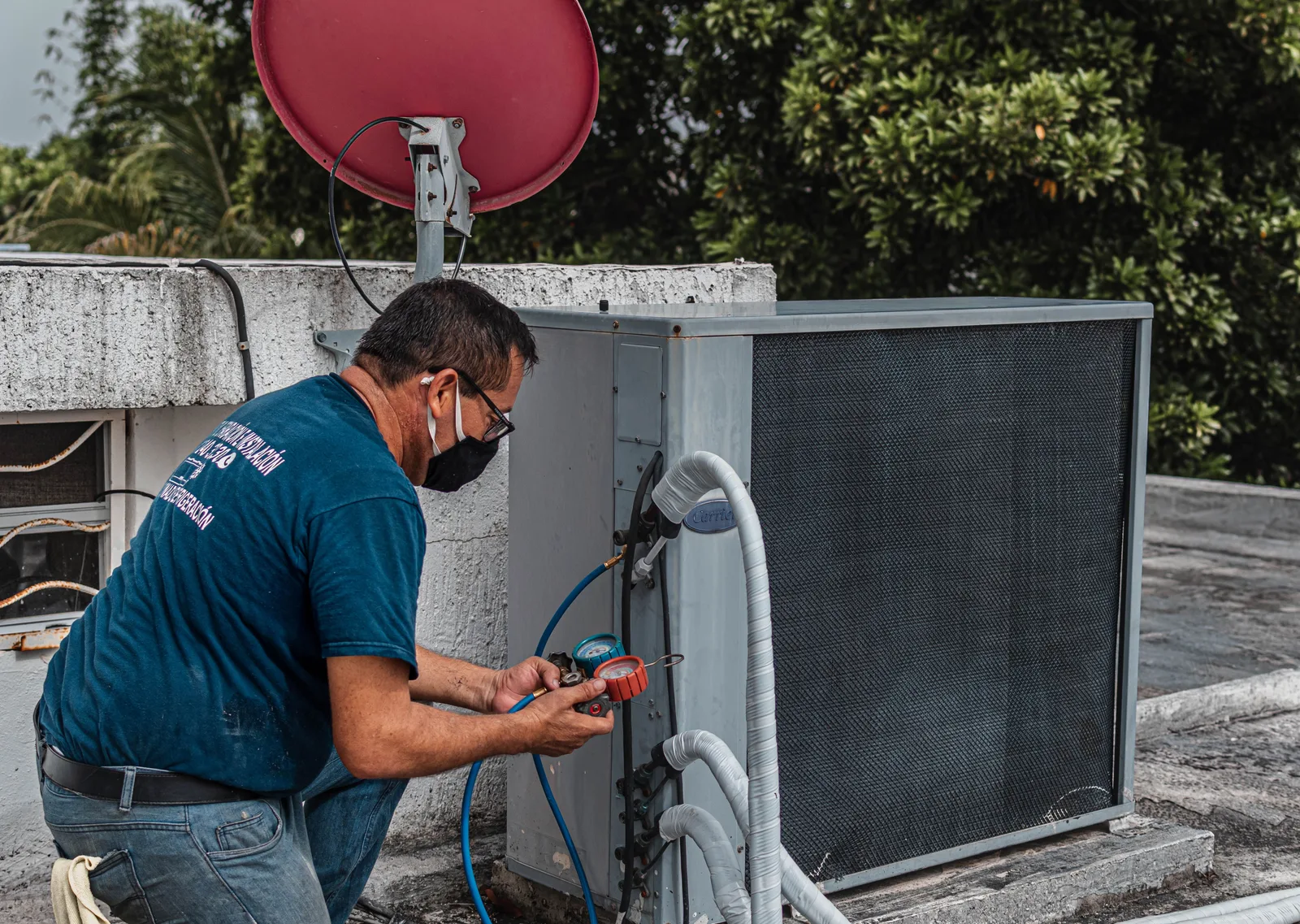
Most industries have one slow season. HVAC contractors have two: March and October. March is post-winter heating but pre-summer cooling. October is post-summer cooling but pre-winter heating. Both are peak application periods because contractors need capital to prepare for the next season. Both also show the weakest bank statements of the year. The solution: apply in late July or August (after summer peak) or in January (during winter peak): even if you don't need the capital yet. Line up the advance during strength, deploy it during the trough.
| Application Month | Statements Reviewed | Revenue Trend Shown | Offer Quality | Recommendation |
|---|---|---|---|---|
| January | Oct-Dec | Winter heating peak | Strong | Apply: winter revenue visible |
| February | Nov-Jan | Still winter peak | Strong | Apply: good window |
| March | Dec-Feb | Drop in Feb visible | Weak | Avoid: worst month |
| April-May | Jan-Mar/Feb-Apr | Trough visible | Weak-Fair | Avoid if possible |
| June | Mar-May | Shoulder, building | Fair | Acceptable if urgent |
| July-August | Apr-Jun/May-Jul | Summer surge visible | Best | Optimal window: apply now |
| September | Jun-Aug | Peak summer on statements | Strong | Good: peak just passed |
| October | Jul-Sep | Summer fading out | Fair | Acceptable; use 6-month avg |
| November-December | Aug-Oct/Sep-Nov | Winter season building | Strong | Apply: heating season visible |
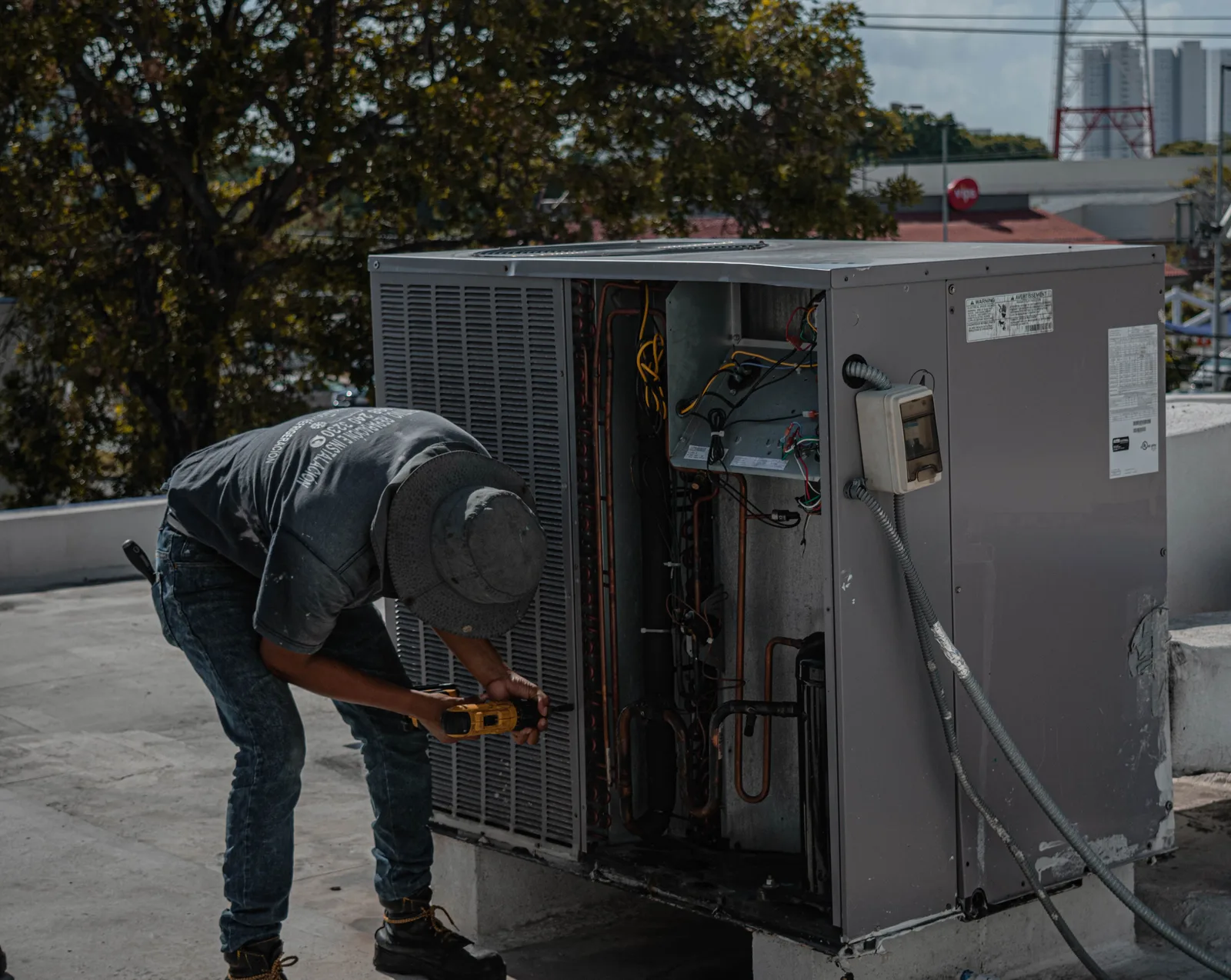
A van-mounted condenser or commercial rooftop unit failing in July, during peak cooling season, is an HVAC contractor's equivalent of a restaurant's broken walk-in cooler. Every day without it is lost revenue. Equipment financing takes 1-2 weeks. MCA funds once the provider approves your file. The cost premium of MCA over equipment financing is typically $3,000-$8,000 on a $50,000 advance. A week of missed revenue during peak season can easily exceed that. In genuine emergencies, MCA's speed justifies the premium: in non-urgent situations, equipment financing is almost always cheaper.
| Time in Business | Approval Rate | Avg. Factor Rate | Note |
|---|---|---|---|
| 6-12 months | 38% | 1.38-1.48 | Cannot verify seasonal cycle: limited approval pool |
| 1-2 years | 58% | 1.29-1.36 | One full seasonal cycle visible: manageable risk |
| 2-3 years | 69% | 1.24-1.30 | Two+ cycles established: strong profile |
| 3-5 years | 74% | 1.20-1.27 | Established business; service contracts likely |
| 5+ years | 79% | 1.16-1.24 | Best profile; often qualifies for multiple options |
Best for: Equipment emergencies, payroll gaps, shoulder-season cash flow. Any need that cannot wait 1-2 weeks.
Typical cost: 1.21-1.36 factor rate (60-120% true APR)
Time to fund: Provider-set, once your file is reviewed
Min. requirements: 12 months in business, $15K/month deposits, 500+ FICO
Best for: Van-mounted units, service vehicles, commercial rooftop units, diagnostic tools: any specific identifiable equipment.
Typical cost: 6-18% APR
Time to fund: 3-10 business days
Min. requirements: 12+ months in business, 600+ FICO, equipment serves as collateral
Best for: HVAC contractors with commercial clients on net-30 to net-90 payment terms (property management, facilities, commercial real estate).
Typical cost: 1-5%/month of invoice face value
Time to fund: 1-3 business days per invoice
Min. requirements: Creditworthy commercial clients: your credit score is not the primary factor
Best for: Recurring seasonal needs: draw when needed, repay in peak season, draw again in the next trough. Ideal if you qualify.
Typical cost: 8-30% APR
Time to fund: 1-4 weeks (initial approval); draws are instant
Min. requirements: 660+ FICO, 2+ years in business, documented revenue
| Scenario | Best Option | Why | Avoid |
|---|---|---|---|
| Commercial rooftop unit failed, need capital fast | MCA | Provider-set funding timing; equipment financing takes longer to approve | Equipment financing (too slow) |
| Buying a new service van: can wait 1-2 weeks | Equipment financing | 6-18% APR vs. 60-120% true APR on MCA | MCA (dramatically overpays) |
| Payroll gap: 3 commercial jobs invoiced but not yet paid | Invoice factoring | Advances 70-90% of A/R immediately; no new debt | MCA (costlier if invoices are coming) |
| March trough: need operating cash before summer | MCA or LOC | LOC if you have it; MCA if you don't qualify for LOC | Equipment financing (wrong product for working capital) |
| Buying $80K of materials for large commercial job | MCA or LOC | Materials aren't financeable equipment; need working capital | Equipment financing (won't cover consumable materials) |
| Recurring shoulder-season cash flow every year | Business LOC (set up now) | Draw/repay cycle beats paying MCA rates annually | MCA each cycle (repeated premium cost) |
T.A.G. shops multiple funders simultaneously and shows you every offer with full cost disclosure before any commitment. Licensed HVAC contractors in 12+ months of business welcome.
Apply Now → 330-238-3003Local market guides for HVAC companies: including peak season timing, state regulations, and funding resources.
T.A.G. Business Funding
500 FICO minimum. Bank declines OK. Revenue matters more than credit score. Funding timing is set by the funding provider after review.
500 FICO minimum · $4K-$6K+/month revenue · Funding timing is set by the funding provider after review