Hotels, motels, and B&Bs qualify for MCA based on monthly revenue deposited to a business bank account. MCA is especially well-suited for hospitality because holdback repayment is revenue-proportional: payments naturally slow during low occupancy and accelerate during peak season, unlike fixed bank loan payments that don't adjust for seasonal swings. Apply during or just after your peak season for the best terms.
Why MCA Works for Hospitality Businesses
Traditional bank lending has always been difficult for independent hotels and motels. Lenders often see hospitality as cyclical, capital-intensive, and vulnerable to external shocks (travel restrictions, economic downturns). SBA loans require full collateral, 2+ years of tax returns, and take 3-6 months to close. None of that helps when your HVAC fails in August or your renovation needs to finish before the winter ski season.
MCA solves this with two advantages for hospitality operators:
- Revenue-proportional repayment: Holdback is a percentage of daily deposits. Low occupancy months = lower holdback. Peak season = higher holdback but faster payoff. This natural alignment with hospitality's revenue cycle is why MCA is increasingly used as a planning tool, not just an emergency tool.
- Speed: Funding can move quickly once a provider approves the file, which matters for emergency property maintenance or time-sensitive capital improvements before a peak season opens.
Illustrative figures at a roughly 10% holdback rate. Actual holdback percentage and daily amount depend on the funding provider's terms for your file.
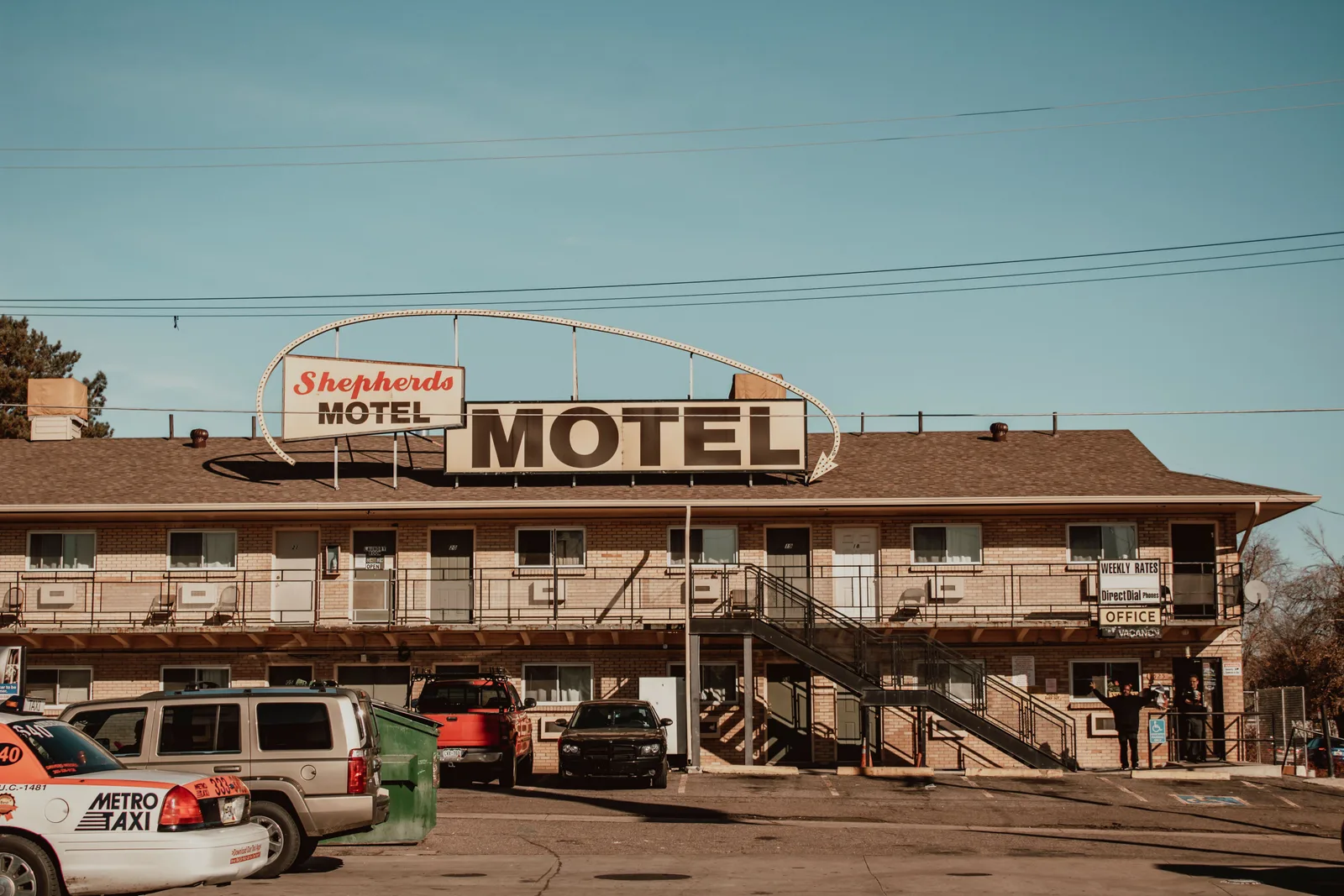
Funding Amounts by Property Type
| Property Type | Avg Monthly Revenue | Typical MCA Range | Est. Holdback |
|---|---|---|---|
| Small B&B / boutique inn (5-15 rooms) | $15K-$35K | $11K-$43K | $370-$1,430/day |
| Small motel (20-40 rooms) | $30K-$80K | $22K-$100K | $750-$3,300/day |
| Mid-size hotel (40-80 rooms) | $80K-$200K | $60K-$250K | $2,000-$8,300/day |
| Full-service or resort property | $200K-$500K+ | $150K-$500K+ | $5,000-$16,700+/day |
Qualification Requirements
- Time in business: 12+ months of operation (some providers work with 6+)
- Monthly deposits: $25,000+ average (smaller properties: $15K+ may qualify)
- Credit score: 500+ personal FICO
- Bank statements: 6 most recent consecutive complete months of business bank statements, all pages, non-redacted; all OTA deposits (Booking.com, Expedia, Airbnb payout), direct booking revenue, and restaurant/bar revenue if applicable should deposit to the same account
- Franchise disclosure: Franchise properties should note any franchise-level approval requirements in their agreement (most do not prohibit MCA)
- No open bankruptcy
Seasonal hotels, important: Apply during peak season or the month immediately following. Your trailing 6-month bank statements will show maximum revenue during this window, producing the largest advance at the best factor rate. Applying in January for a summer resort produces far worse terms than applying in September while peak season deposits are still current.
Illustrative comparison, not a guarantee of any specific advance amount. The trailing 6 statement months are what a provider actually reviews.

How Hotel Operators Use Working Capital
Seasonal Hotel Strategy: Timing Your MCA
For seasonal hotels, MCA timing is as important as the amount. Here's the optimal strategy by property type:
| Property Type | Peak Season | Best MCA Application Window | Use of Capital |
|---|---|---|---|
| Beach / summer resort | June-August | August-September | Off-season maintenance, renovation |
| Ski / mountain resort | December-March | March-April | Spring maintenance, fall renovation |
| Urban business hotel | Spring/Fall | October-November | Holiday season prep, renovation |
| Destination/holiday | Oct-Jan | January-February | Staff, maintenance, marketing |
Ready for Hotel & Hospitality Funding?
Working capital for independent hotels, motels, and B&Bs. $25K-$500K. Funding timing is set by the funding provider after review.
Apply NowFAQ
- Can a hotel or motel get a merchant cash advance?
- Yes. Hotels and motels with consistent monthly revenue qualify for MCA. Hospitality businesses with $25,000+ in average monthly deposits, 12+ months of operation, and 500+ FICO typically receive advances of $18,000-$500,000. Seasonal hotels must apply strategically, during or just after peak season when bank statements show maximum revenue.
- How does MCA repayment work for a seasonal hotel?
- MCA holdback is a fixed percentage of daily deposits. During high season when deposits are $8,000/day, holdback might be $800/day. During low season when deposits are $2,000/day, holdback is $200/day. Repayment naturally slows when occupancy falls, unlike a fixed bank loan payment that stays constant regardless of revenue. This is why MCA is particularly suited to hospitality's seasonal cash flow pattern.
- Does OTA commission income count for MCA underwriting?
- Booking.com, Expedia, Hotels.com, and Airbnb payout deposits that land in your business bank account count as qualifying revenue. These ACH deposits from OTA platforms are treated identically to direct booking deposits. Submit all sources of hotel revenue (direct bookings, OTA payouts, restaurant/bar, spa) together to maximize your qualifying deposit total.
- What hotel types qualify for MCA?
- Independent hotels, branded franchise properties, motels, B&Bs, boutique hotels, extended stay properties, and resort properties all qualify if they meet minimum revenue thresholds and have consistent deposit history. MCA is especially valuable for independent and franchise operators who don't have access to the large corporate credit facilities that REIT-owned properties use.
- What is the minimum revenue for a hotel to qualify for MCA?
- The typical minimum is $25,000 in average monthly bank deposits. For small motels or B&Bs at $10,000-$25,000/month, some providers work with lower revenue thresholds but offer smaller advances. The advance amount scales with revenue: a hotel with $150,000/month in revenue can typically access $112,000-$187,500 in working capital.
- What do hotels use MCA for?
- Common uses: room renovations and updates, HVAC and mechanical repairs, property maintenance, breakfast service equipment, technology upgrades (PMS, booking system), marketing and OTA fee coverage, payroll during low season, emergency repairs, pool/spa maintenance, and franchise fee payments.