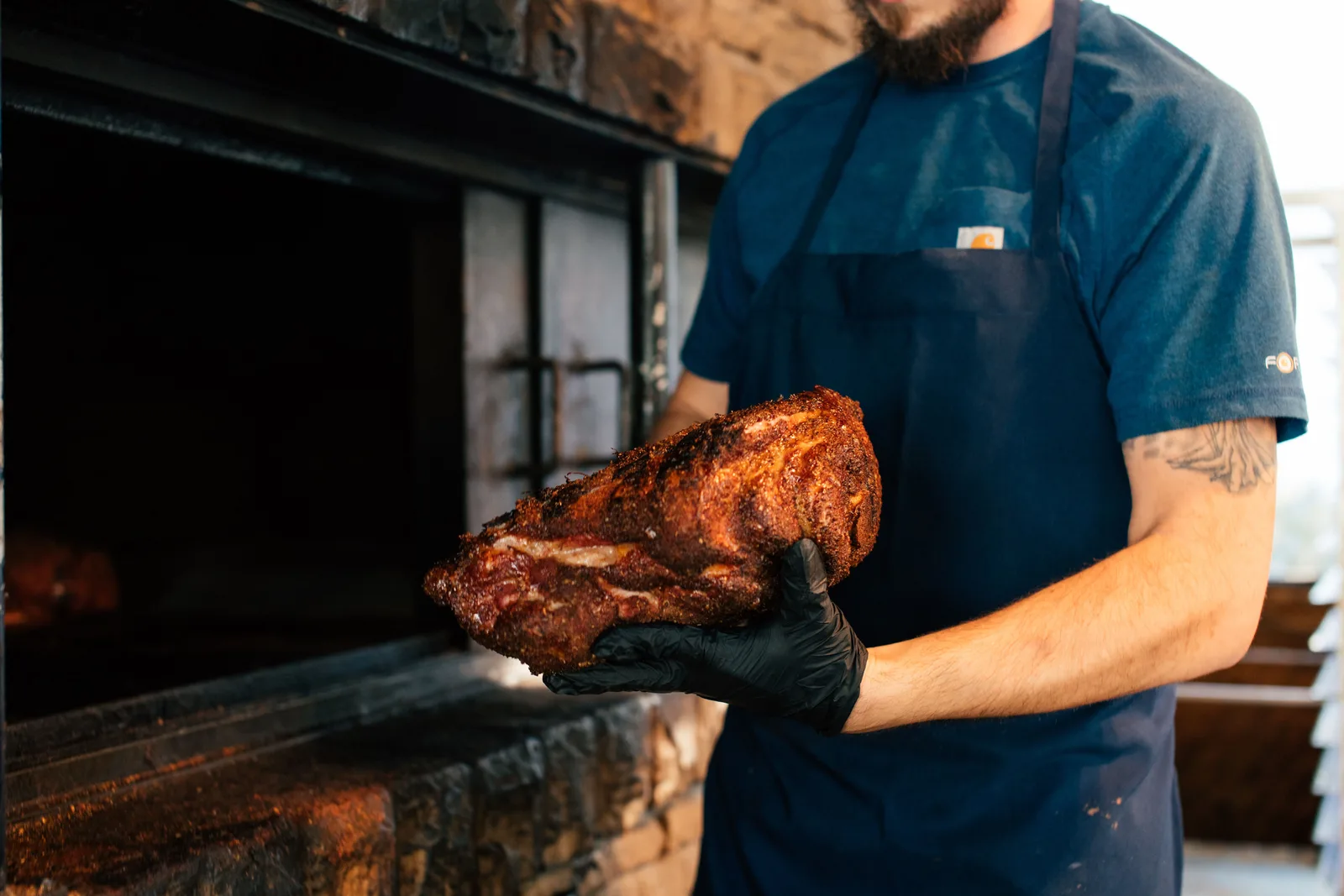
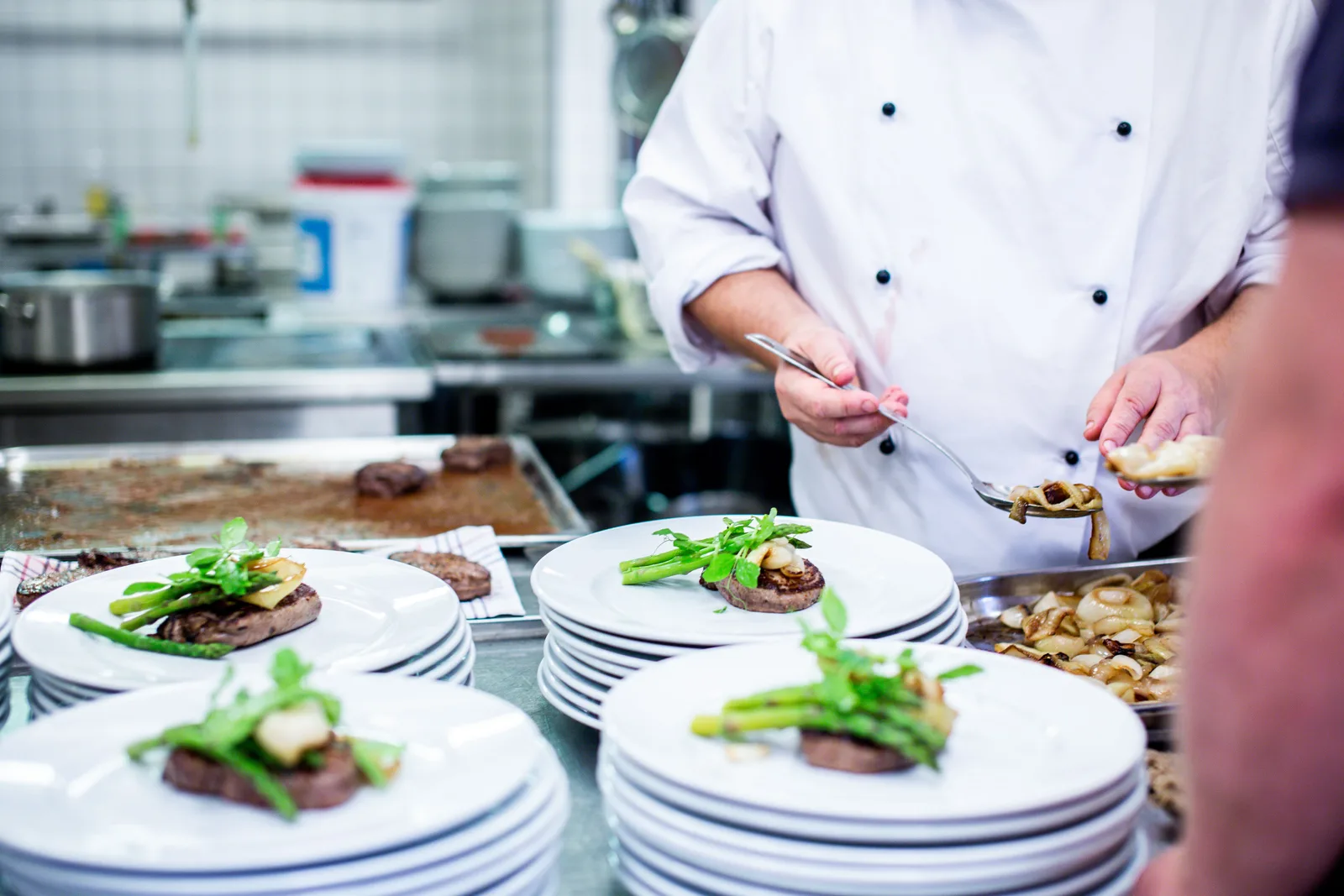
Yes. Missouri restaurants qualify for MCA based on monthly bank deposits, typically $4,000-$6,000/month minimum for restaurants. Kansas City is recognized as the BBQ capital of the United States, with over 200 BBQ restaurants, more BBQ restaurants per capita than any other city in the world.
Missouri · Restaurant Funding
Missouri Restaurant Funding Kansas City, St. Louis, Columbia & Statewide
Quick Answer: Missouri Restaurants
Missouri restaurants qualify for MCA based on monthly bank deposits. Minimum: $4,000-$6,000/month, 500 FICO, 6+ months operating. Advance range: $10,000-$175,000. Review begins as soon as your file is complete. Kansas City: BBQ capital of the US (200+ restaurants, most per capita anywhere in the world), Chiefs/Arrowhead 76K capacity, Royals. St. Louis: Busch Stadium Cardinals (81 home games), Gateway Arch 4M+ visitors, Anheuser-Busch InBev HQ 5,000+ employees. Mizzou Columbia 30,000 students. Missouri requires commercial finance disclosure under SB 1359 (effective February 28, 2025).
Missouri is home to two distinct and nationally recognized food cities, Kansas City, the undisputed BBQ capital of the United States (more BBQ restaurants per capita than anywhere in the world), and St. Louis, home to Anheuser-Busch InBev's North American headquarters and a dining scene anchored by the Ballpark Village district around Busch Stadium. The Gateway Arch National Park draws 4 million+ annual visitors, the Kansas City Convention Center hosts major conventions year-round, and Chiefs game days at Arrowhead Stadium (consistently ranked the loudest NFL stadium) generate game-day restaurant revenue that can 3-5x a normal Tuesday.
$10K-$175K
Advance range
200+
Kansas City BBQ restaurants, most per capita in world
24-48 hrs
Funding timeline
500
Min FICO
Missouri Markets
Restaurant Funding by Missouri City
Kansas City: BBQ Capital & Sports
Kansas City has more BBQ restaurants per capita than any other city in the world, Gates Bar-B-Q (8 locations since 1946), Joe's Kansas City (the Zagat-rated gas station restaurant named best US BBQ multiple years), Arthur Bryant's (founded 1908, the original KC BBQ pioneer), Q39, Slap's, and 190+ more. Arrowhead Stadium (Chiefs, 76,000 capacity, consistently ranked the loudest NFL stadium, 2x Super Bowl host) drives massive game-day traffic. The Power & Light District and Crossroads Arts District create upscale dining clusters.
Typical: $15K-$175K
Kansas City Convention Center & Districts
The Kansas City Convention Center (1.5M sq ft, Bartle Hall) hosts major trade shows and convention business year-round. Convention delegates support the Crossroads restaurant district, Power & Light District bars and restaurants, and the Country Club Plaza (the nation's first outdoor shopping center, 1922). The Kansas City Jazz District and 18th and Vine neighborhood add tourism dining demand anchored by the American Jazz Museum and Negro Leagues Baseball Museum.
Typical: $12K-$150K
St. Louis: Busch Stadium & Gateway Arch
Busch Stadium (Cardinals, 44,000 capacity, 81 regular season home games) anchors Ballpark Village, a $260M mixed-use entertainment district with restaurants, bars, and live event spaces. The Gateway Arch National Park (4M+ annual visitors) drives tourism dining in Laclede's Landing and the Old Courthouse district. Soulard Market neighborhood (established 1779, the oldest public market west of the Mississippi) has a vibrant restaurant cluster with a nationally known Mardi Gras celebration drawing 200,000+ annually.
Typical: $12K-$165K
St. Louis: Wash U, SLU & The Hill
Washington University in St. Louis ($11B+ endowment, 15,000 students) and Saint Louis University (14,000 students) create two dense student dining markets in Clayton and Midtown. The Hill neighborhood (St. Louis's Italian-American culinary district) has iconic long-standing restaurants including Charlie Gitto's, Cunetto's House of Pasta, and Zia's. Anheuser-Busch InBev's US headquarters (St. Louis, 5,000+ corporate employees) creates a premium corporate dining market in the Bevo Mill and Forest Park neighborhoods.
Typical: $10K-$150K
Columbia: Mizzou & Mid-Missouri
University of Missouri-Columbia (Mizzou, 30,000 students, Memorial Stadium 62,000 capacity) creates a substantial college town restaurant market, downtown Columbia's Broadway corridor and Faurot Field game-day traffic. Columbia is equidistant between Kansas City and St. Louis on I-70, making it a natural food-and-drink destination for travelers. The MU Health Care campus (the largest employer in mid-Missouri) adds institutional dining demand.
Typical: $8K-$120K
Springfield / Joplin / Branson
Branson, Missouri (7M+ annual visitors, 50+ theaters, Silver Dollar City) has a dense tourism-driven restaurant market that peaks May-September. Springfield (Missouri State University 24,000 students, Hammons Field AA baseball, Bass Pro Shops world headquarters and tourist destination) has a year-round student and tourism dining market. Joplin's I-44 highway corridor adds interstate restaurant traffic. All qualify at $4,000-$6,000/month minimum deposits.
Typical: $8K-$120K
Missouri Cash-Flow Patterns
Kansas City barbecue runs on long cooks and early meat buys. The money goes out days before the tickets come in.
How Restaurant Cash Flow Actually Moves in Missouri
Missouri runs a moderate version of the Midwest winter dip, not as harsh as Minnesota or Michigan, but a real drop in foot traffic from December through February all the same, followed by a steady climb into a summer peak. Kansas City and St. Louis both run mostly on business, convention, and local dining demand rather than tourism, which keeps their deposit patterns comparatively steady next to a tourism-driven market.
Branson and the rest of the Ozarks region run a genuinely different calendar: a tourism season concentrated in the warmer months and a fall leaf-season bump, closer in shape to a mountain tourist town than to either of Missouri's two big metros. A restaurant's own six months of statements should be read against whichever of these three patterns it actually reflects.
General seasonal pattern shown for illustration only, not a projection for any specific restaurant.
Relative comparison shown for illustration only, based on general market characteristics, not measured company data.
Qualification
A Cardinals home stand or a football Saturday can double covers for a week. The staffing for it is paid up front.
Missouri Restaurant MCA Requirements
Minimum Monthly Deposits
$4,000-$6,000/month
Minimum FICO Score
500 (soft pull to start)
Time in Business
6+ months operating
Documents Required
6 consecutive months BUSINESS bank statements (all pages) + application
Advance Range
$10,000-$175,000
Disclosure
Full cost disclosure before signing
Only BUSINESS bank statements count toward the six-month document requirement: personal or Cash App/Venmo statements do not qualify. A driver's license and a voided business check are collected after approval, not part of the initial application.
FAQ
Missouri Restaurant Funding: FAQ
Why does Kansas City's BBQ scene create sustained restaurant MCA demand?
Kansas City has more BBQ restaurants per capita than any city in the world. BBQ operations have uniquely high operating costs, premium brisket, pork shoulder, and rib wholesale prices fluctuate with commodity markets, wood/charcoal fuel costs are significant, and smoker/pit maintenance is expensive. A KC BBQ restaurant doing strong weekend and lunch business may still need equipment replacement or inventory pre-purchase capital heading into peak summer season.
Can a St. Louis restaurant near Busch Stadium use MCA?
Yes. Busch Stadium hosts 81 regular season Cardinals games plus playoffs, each game brings 30,000-44,000 fans into Ballpark Village and the surrounding district. Restaurant owners in the district often see 5-7x normal revenue on game days. MCA repayment is percentage-based, faster repayment on high-volume game nights, slower on off-days, which matches the natural cash flow cycle of a stadium-adjacent restaurant.
How much can a Missouri restaurant get with MCA?
MO restaurant MCA amounts range from $10,000 to $175,000. A Kansas City or St. Louis restaurant averaging $45,000/month may qualify for $33,750-$67,500. A Columbia or Springfield restaurant averaging $20,000/month may qualify for $15,000-$30,000. A Branson restaurant averaging $15,000/month may qualify for $11,250-$22,500.
Does Missouri have an MCA disclosure requirement?
Missouri requires commercial finance disclosure for MCA transactions under SB 1359 (effective February 28, 2025), an estimated APR disclosure is required, along with broker registration and a $10,000 surety bond.
How fast can a Missouri restaurant get funded?
Most Missouri restaurant applications receive a decision once your file is complete. Kansas City and St. Louis restaurants who submit a complete file early in the day get it in front of the funding provider sooner. The provider sets decision and funding timing.
Can a Missouri restaurant get MCA after a bank decline?
Yes. Missouri restaurants qualify for MCA based on monthly bank deposits, typically $4,000-$6,000/month minimum for restaurants. Kansas City is recognized as the BBQ capital of the United States, with over 200 BBQ restaurants, more BBQ restaurants per capita than any other city in the world. Nationally recognized destinations including Gates Bar-B-Q (8 locations since 1946), Joe's Kansas City Bar-B-Que (the Zagat-rated gas station restaurant named best BBQ in the US multiple years), Arthur Bryant's (founded 1908, the original Kansas City BBQ pioneer) draw food tourism from across the US and internationally.
Can a Kansas City restaurant serving Chiefs or Royals stadium traffic use MCA?
Yes. Arrowhead Stadium (Kansas City Chiefs, 76,000 capacity, consistently ranked the loudest stadium in NFL history, 2x Super Bowl host) is one of the highest-grossing NFL venues in the US. Kauffman Stadium (Royals, 37,903 capacity) hosts 81 regular season home games. The Truman Sports Complex and surrounding I-70 corridor have dozens of restaurants that see game-day volume 3-5x their Tuesday average. MCA repayment is percentage-based, so slow days draw less and game-day revenue repays faster.
500 FICO OK · No hard pull at application · Full cost disclosure before signing Kansas City, St. Louis, Columbia, Springfield, Branson & all of Missouri · Review begins as soon as your file is complete
Initial review uses a soft credit pull only. A hard credit pull typically occurs later, before final approval, and can affect your credit score by a few points.